
Yamaha adds Autoliv’s detachable airbag to the Tricity 300
Yamaha has added Autoliv’s detachable motorcycle airbag to the leaning three-wheeled Tricity 300, bringing a rider-retaining design to a scooter application sold outside the United States.

3 min read
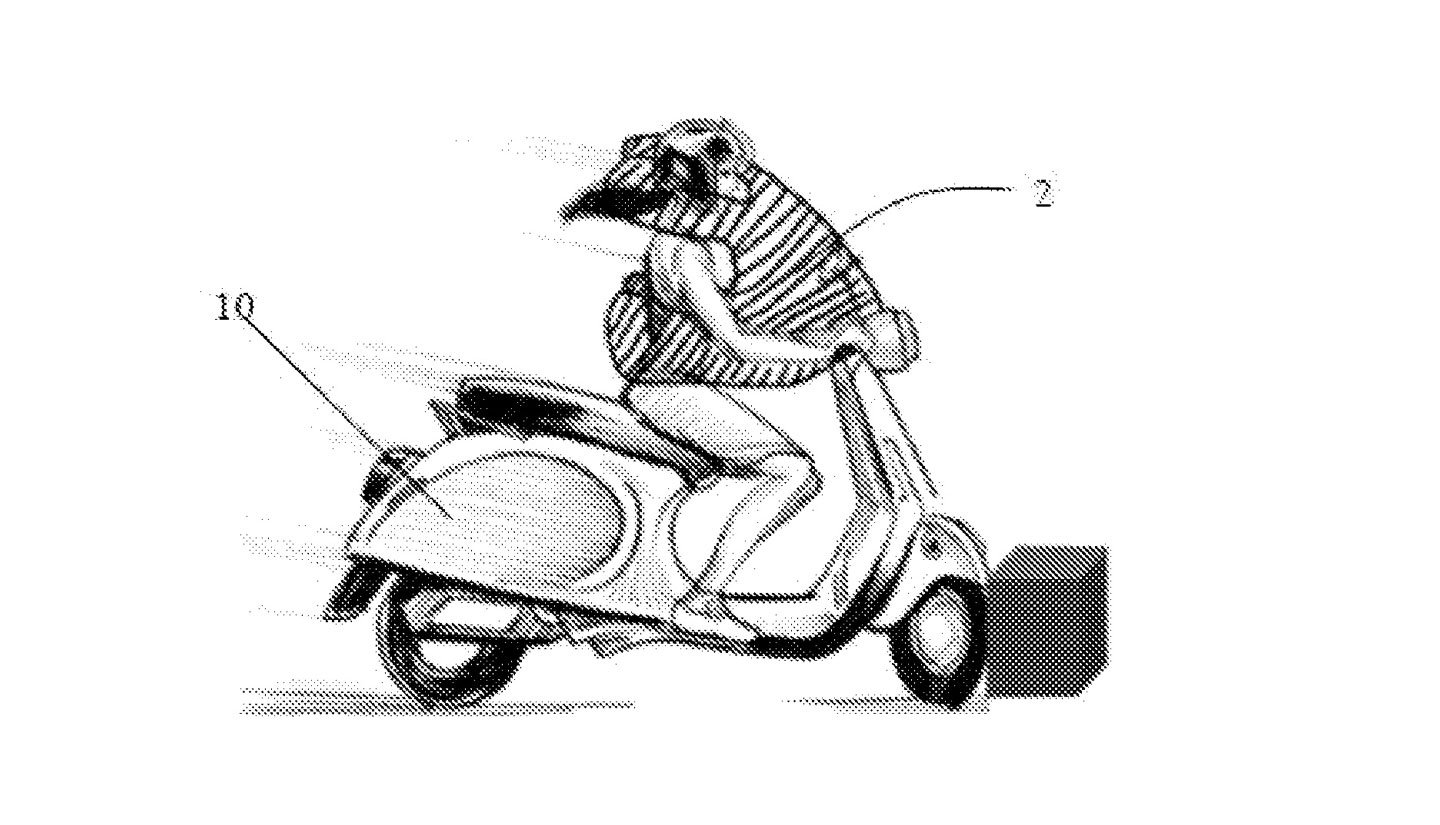
Yamaha has added an Autoliv airbag to the Tricity 300, its leaning three-wheeled scooter sold outside the United States. The application gives Autoliv’s motorcycle-airbag work a specific scooter context, while the company continues pursuing wider adoption of the technology. Autoliv supplies approximately 40% of the airbags and seatbelts used globally in cars.
Designed to separate from the scooter
The detachable system packages a folded airbag, a gas generator and an inflator in a small, tube-shaped unit attached unobtrusively to the handlebars. Sensors and a control unit detect a crash. The pyrotechnic gas generator then inflates the airbag, creating an air-filled cushion between the rider and the impact zone.
The same activation destroys the attachment holding the unit to the handlebars. This allows the inflated airbag to separate from the scooter and remain with the rider. Its shape wraps around the head and torso, extending under the arms and over the shoulders to help keep it in position. According to the article, the detached airbag can continue protecting the rider from subsequent impacts after the rider has been thrown from the motorcycle.
Why scooters matter
Autoliv discussed its plans for motorcycle-specific airbags with the publication in 2023. The scooter-style application is described as a logical development of that work. Scooters make up a large proportion of the global motorcycle fleet and are most commonly used in high-traffic urban areas, where the article links their use with a greater likelihood of impacts involving cars.
The article also characterizes the system as relatively inexpensive, suggesting that it should not add a large amount to a scooter’s manufacturer-suggested retail price. No price or broader availability is established here.
A different compromise from wearable airbags
Unlike a standalone airbag vest or jacket, the Autoliv system is not attached to the rider as securely. Its apparent inflated volume is substantially larger, however, and the article attributes greater coverage to the design. Whether that larger volume allows it to absorb larger impacts than wearable systems remains unestablished.
Standalone airbag vests and jackets have achieved broad acceptance among motorcyclists, but wearing one requires a significant personal commitment. The article observes that scooter commuters may be less inclined to use protective equipment than riders who deliberately choose it. A detachable system integrated with the scooter could therefore provide airbag protection without requiring the rider to wear an airbag vest or jacket.
Honda is also described as a pioneer in motorcycle airbags. According to the article, Honda has offered an airbag on the Gold Wing for 20 years and filed patents in 2023 for a concept similar to a detachable motorcycle airbag. Autoliv’s position as an independent multinational supplier is presented as a factor that could help make the technology available to a wider range of motorcycle manufacturers, not as evidence that broader adoption is confirmed.
THE EVIDENCE BEHIND THE STORY
Sources
Spotted something that needs correcting? Contact the editorial team ↗