
UK motorcycle bodies call for fuel-duty freeze into 2027
The NMC and BMF warn that rising pump prices are squeezing commuters, students and delivery workers.

2 min read
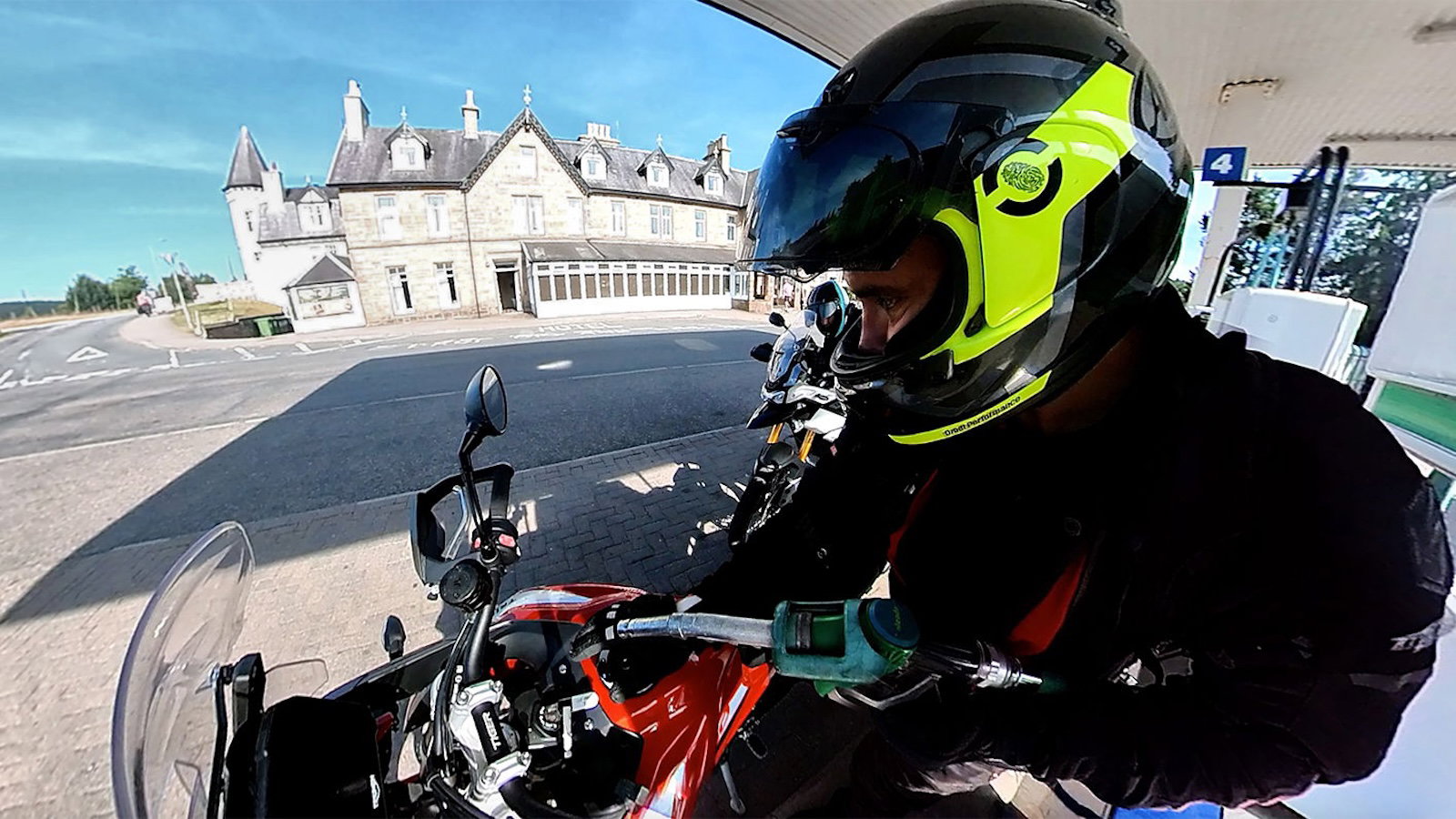
The National Motorcyclists Council (NMC) and the British Motorcyclists Federation (BMF) are asking the UK government to keep fuel duty frozen into 2027. The current 5p reduction runs until the end of 2026, but rising prices at the pump are increasing the burden on people who depend on a motorcycle or scooter for everyday travel.
The temporary fuel-duty cut was introduced in 2022 and later extended. Under the timetable described, duty is due to rise by 3p in January and another 2p in March. That would raise the running cost for riders who use two wheels every day, even though motorcycles and scooters remain relatively economical forms of transport.
Transport, not just leisure
NMC executive director Craig Carey-Clinch points to the effect on daily commuters, students, younger riders and the thousands of people working in delivery and gig-economy roles. He argues that motorcycles and scooters provide flexible personal transport, especially in places where public transport is not a practical alternative. The NMC is therefore calling for greater certainty over the cost of getting around as pump prices continue to rise.
BMF chairman Jim Freeman frames the issue as one of everyday access to work and education. For hundreds of thousands of people, he says, a motorcycle or scooter is how they travel to work, college or university. For many people working in delivery, it is also part of how they earn a living rather than simply a leisure vehicle.
The two organisations also point to the wider road-network argument. Motorcycles and scooters occupy less space than cars and larger vehicles and can, in some situations, help ease congestion during busy periods. If the scheduled duty increases arrive alongside higher pump prices, some riders may cut back on journeys to reduce their expenses. The NMC and BMF want policy to continue supporting these affordable and efficient transport options after 2026, rather than making them more expensive.
THE EVIDENCE BEHIND THE STORY
Sources
Spotted something that needs correcting? Contact the editorial team ↗