
Honda: A recall is judged by the responsibility behind it
Honda says recall totals alone cannot measure reliability and directs owners to two official channels for checking their motorcycles.

2 min read
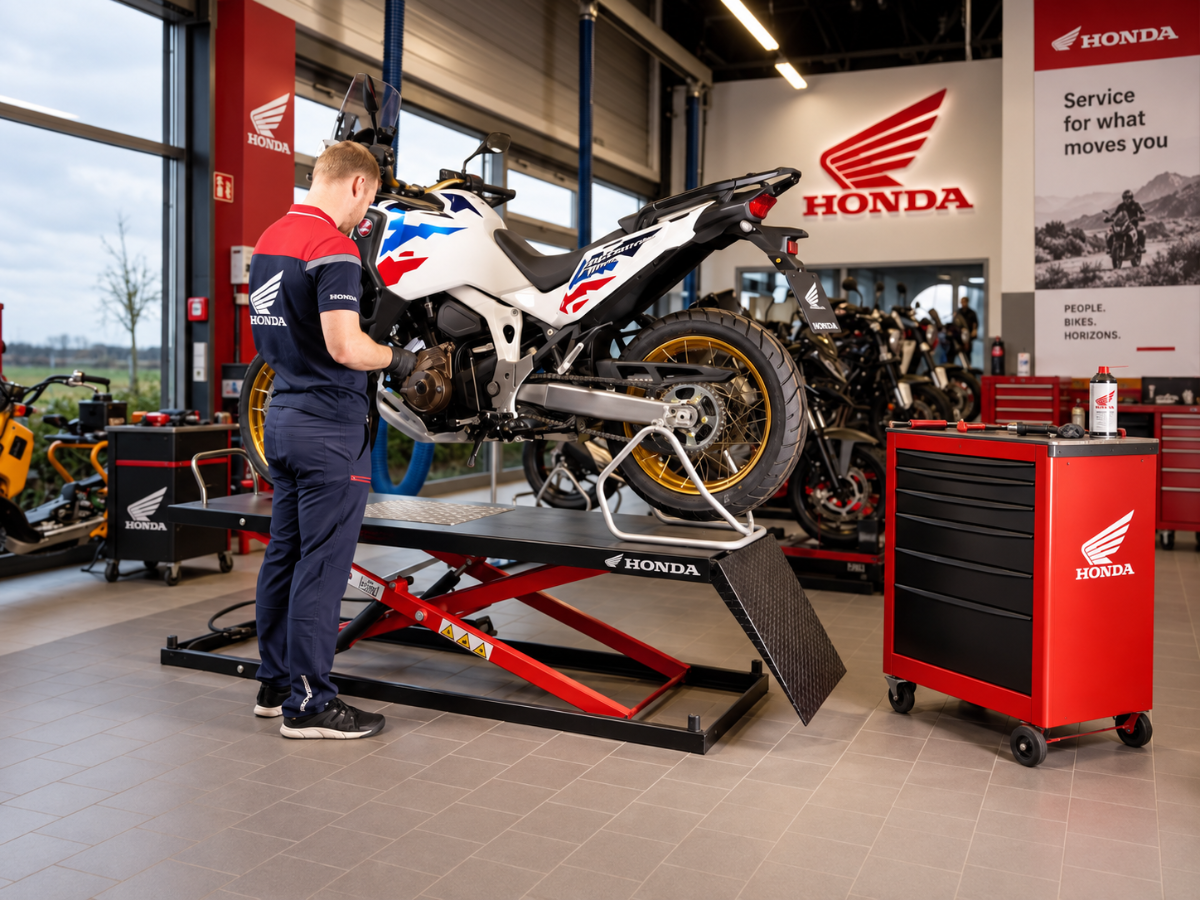
Honda is presenting motorcycle reliability as something broader than the absence of faults. The company links it to quality, engineering expertise, attention to detail and strict checks throughout development and production. In that view, reliability also concerns the way a manufacturer responds when an issue is identified.
Honda therefore argues that the large number of recalls recorded for the brand in the Greek market should not, on its own, be read as proof of more problems or used as a reliable measure of overall reliability. Recall totals are shaped by the way each manufacturer and the relevant authorities identify, assess and deal with potential issues. Conversely, the absence of recalls, or a lower number, does not by itself prove that no problems exist.
What a recall means for an owner
Honda describes a recall as a mechanism for dealing with an identified issue through an inspection, preventive action or technical intervention. The company regards informing riders and taking the necessary steps promptly as acts of responsibility and respect towards the people who have placed their trust in a Honda motorcycle. A recall is therefore framed not simply as a negative statistic, but as part of the process for addressing a technical matter.
For a practical check, Honda points owners to the public safety-recall page for vehicles and components provided by Greece’s Ministry of Infrastructure and Transport. Honda owners can also use the “Recalls and Updates” service from Honda UK Motorcycles by entering their motorcycle’s chassis number. Honda’s position is that trust rests not only on the quality of a product, but also on transparency and responsible action when technical work becomes necessary.
THE EVIDENCE BEHIND THE STORY
Sources
Spotted something that needs correcting? Contact the editorial team ↗