
Qatar GP remains in doubt as riders seek safety guarantees
The 6–8 November race now hinges on assurances for the riders and the course of the conflict in the region.

2 min read
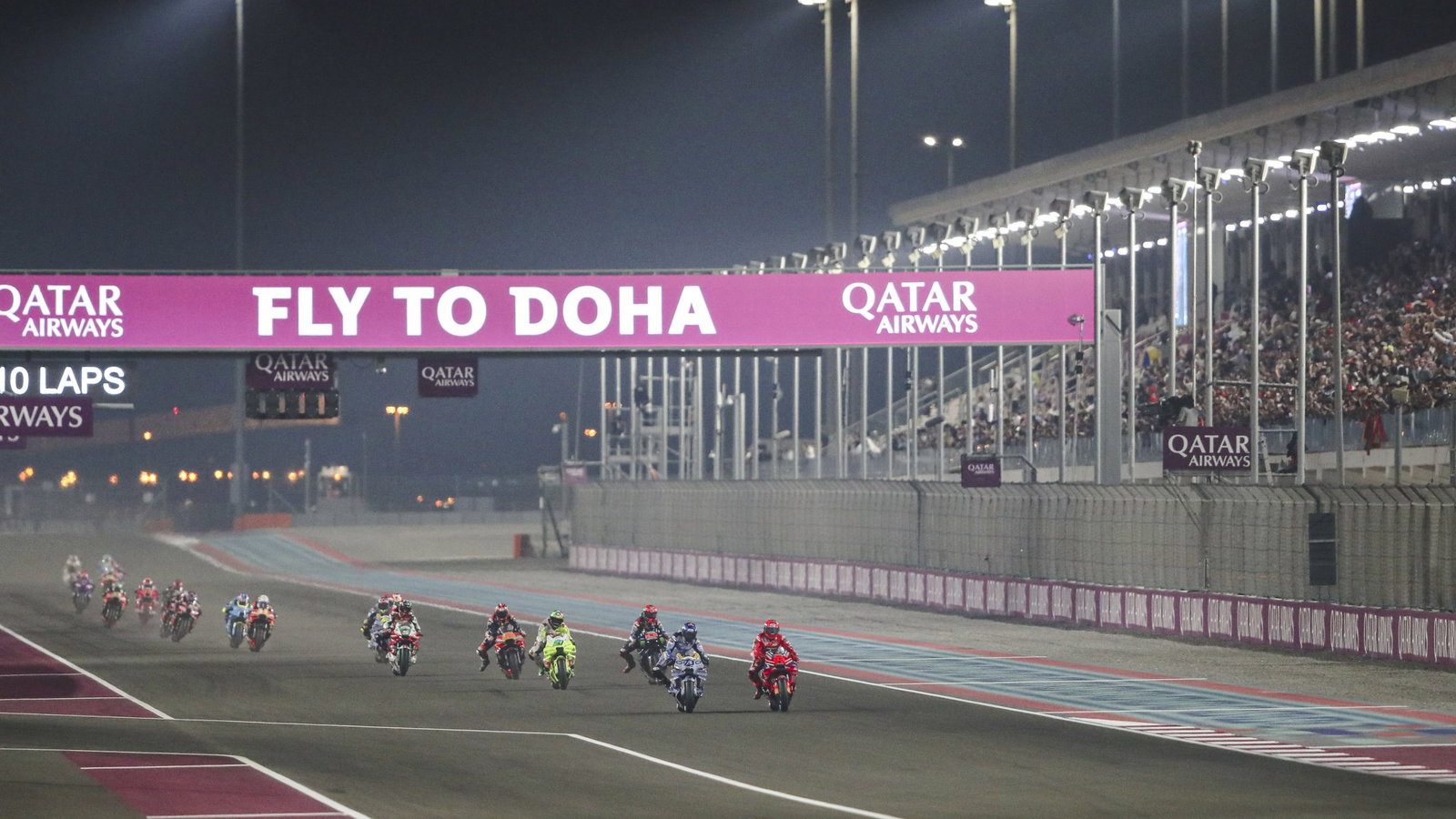
The Qatar Grand Prix remains uncertain after its move from April to the 6–8 November weekend. Carlos Ezpeleta is expected to travel to Doha this week to seek assurances that the race can be held safely. The conflict in the region, linked to the war in Iran, continues to make the event vulnerable to a late change of plan, even with the revised date already set.
The security picture has been further complicated by Houthi attacks on civilian infrastructure in Saudi Arabia. A number of governments have also updated their travel advice, urging citizens to visit the region only when the trip is essential. MotoGP remains determined to stage the Qatar round as the conclusion of its current triple-header. That sporting objective now has to be weighed against the safety of the people who would travel to and work at the event.
Riders want assurances before travelling
During a private meeting at the Australian Grand Prix, most of the riders present voted against going to Qatar. They later asked Ezpeleta for clear guarantees covering their safety if the race goes ahead. The concern extends beyond the journey to Doha. Should the conflict intensify while MotoGP is in Qatar and the airspace close, the paddock could be stranded. Such a disruption could also affect the final two rounds of the season in Portugal and Valencia.
Aprilia CEO Massimo Rivola said his team would race if the organisers confirmed that conditions were safe. He also acknowledged that the situation could change from one day to the next, while maintaining that there was no reason not to compete at that moment. If the riders consider the guarantees inadequate, a boycott remains possible. The event cannot take place without them, making the safety assurances a decisive part of the decision over Qatar.
THE EVIDENCE BEHIND THE STORY
Sources
Spotted something that needs correcting? Contact the editorial team ↗