
India’s two-wheeler market up 20.3% through September 2026
Motorcycle and scooter sales reached 18,148,755 units in the first nine months, with growth spread unevenly across major manufacturers.

2 min read
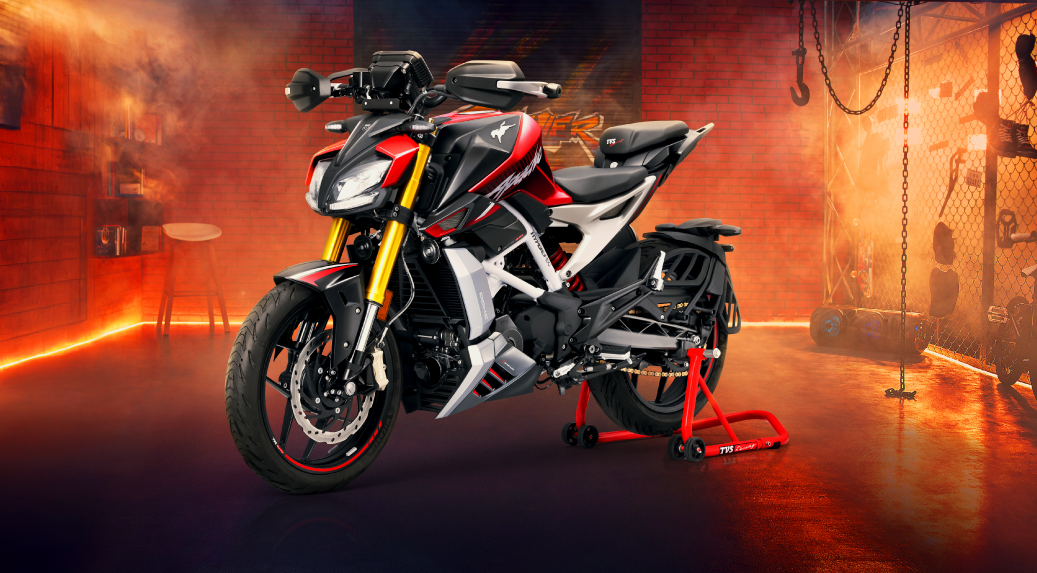
India’s motorcycle and scooter market grew by 20.3% in the first nine months of 2026, reaching 18,148,755 units through September. The increase confirms the scale and momentum of a market that has become strategically important for both established manufacturers and newer electric-mobility companies.
The latest result follows a substantial recovery over the past few years. Annual sales fell from 17.94 million units in 2019 to 13.64 million in 2020, before the market gradually regained ground. It passed the 20-million-unit threshold in 2024, then reached 20.79 million units in 2025. That 2025 figure was approximately 16% above the 2019 level and represented the highest total in the period considered. If the current pace continues, the industry could be heading towards another annual record in 2026.
Growth is not being shared evenly
India’s leading domestic manufacturers remain central to the market. Hero recorded growth of 17.2%, while Honda increased by 18.7%. TVS advanced by 25.1%, and Bajaj posted a 12.5% increase. Royal Enfield grew by 20.5%, broadly matching the overall market’s direction. These rates show sales momentum, but they do not by themselves prove that every manufacturer gained market share.
The results become more pronounced among several other brands. Yamaha increased its sales by 33.7%, Suzuki by 14.6% and Triumph by 23.8%. KTM recorded a 77% rise, while Yezdi, an Indian brand, achieved the largest percentage increase in this group at 90.6%. Percentage growth must be read alongside each company’s starting volume: a smaller manufacturer can post a much higher rate without matching the absolute sales scale of the market leaders.
The picture also includes electric-mobility companies such as Vida and Ather, alongside international manufacturers and India’s established domestic groups. Their expansion is described in relation to their initial sales bases, making the competitive landscape broader than the headline market total alone suggests.
That combination gives India importance beyond its raw volume. Large sales, deeply established local manufacturers, expanding international brands and new electric-vehicle competitors are all operating in the same market. The 20.3% increase is therefore only part of the story; the other defining feature is how differently that growth is distributed between manufacturers and product categories.
THE EVIDENCE BEHIND THE STORY
Sources
Spotted something that needs correcting? Contact the editorial team ↗