
From Design to Dirt: How Honda Develops Production Bikes
Johnny Campbell explains why development testing demands a different mindset from racing.

2 min read
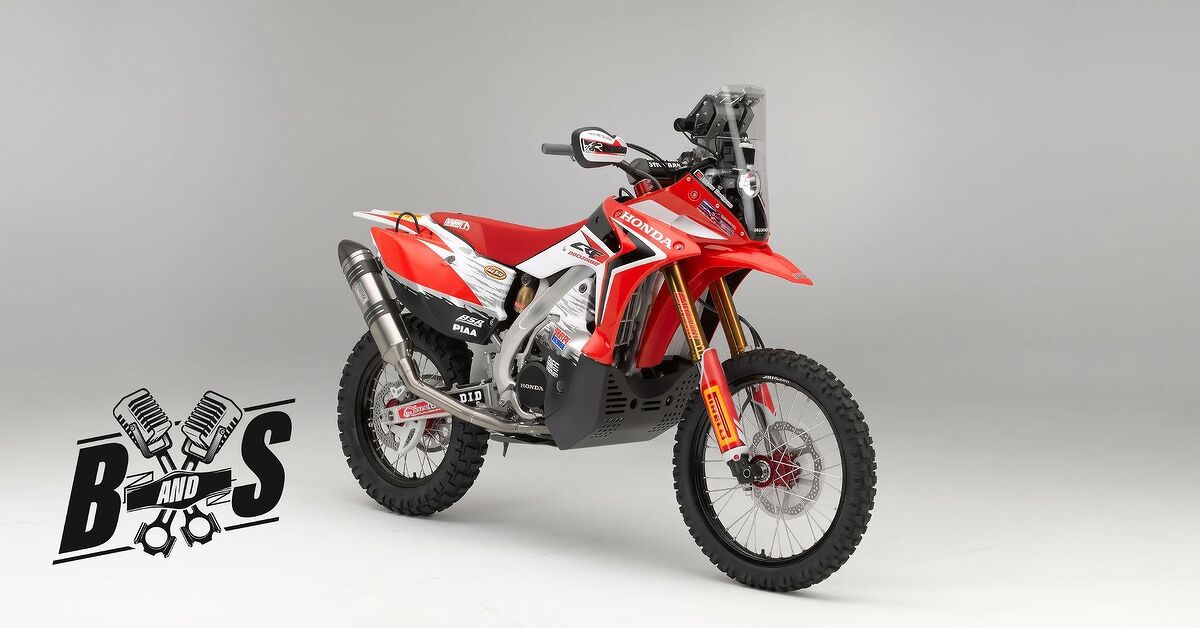
Developing a production off-road motorcycle is not racing development at a slower pace. Johnny Campbell, a long-time R&D rider and development consultant for Honda Powersports, works between factory engineering teams and the riders who represent real-world use. His role is to help turn an idea on paper into a production motorcycle ready for the trail, rather than accepting a solution simply because it looks sound on a screen.
Practical testing is where details that escape a drawing or digital model begin to matter. Test riders assess how the motorcycle behaves, identify its weak points and work with engineers to smooth out those rough edges. The relationship is not a one-way handoff from design to testing. It is an ongoing exchange between engineering theory and what the motorcycle actually does when it is ridden off-road.
The contrast with a pure race machine is clear in the CRF450 Rally. It is described as a factory race motorcycle built with exotic materials and geometry tailored to elite athletes. A production trail motorcycle, by comparison, has to serve a defined category and target customer. Its development therefore has to balance performance and durability with manufacturing costs and the needs of the people expected to buy it.
Campbell’s point is that a development rider must switch off the race mindset, where chasing every advantage is the objective. Production work demands a different test: has the motorcycle met the target set for its end customer and category? Campbell discusses that distinction in episode 16 of the Bore & Stoke podcast, alongside the practical role of rider feedback in shaping a production machine.
THE EVIDENCE BEHIND THE STORY
Sources
Spotted something that needs correcting? Contact the editorial team ↗