
Electric Fireblade brings two-wheel drive to the Le Mans project
SIGMA’s LMT02 recovers energy through the front wheel as development continues towards a 2029 24 Hours of Le Mans entry.

2 min read
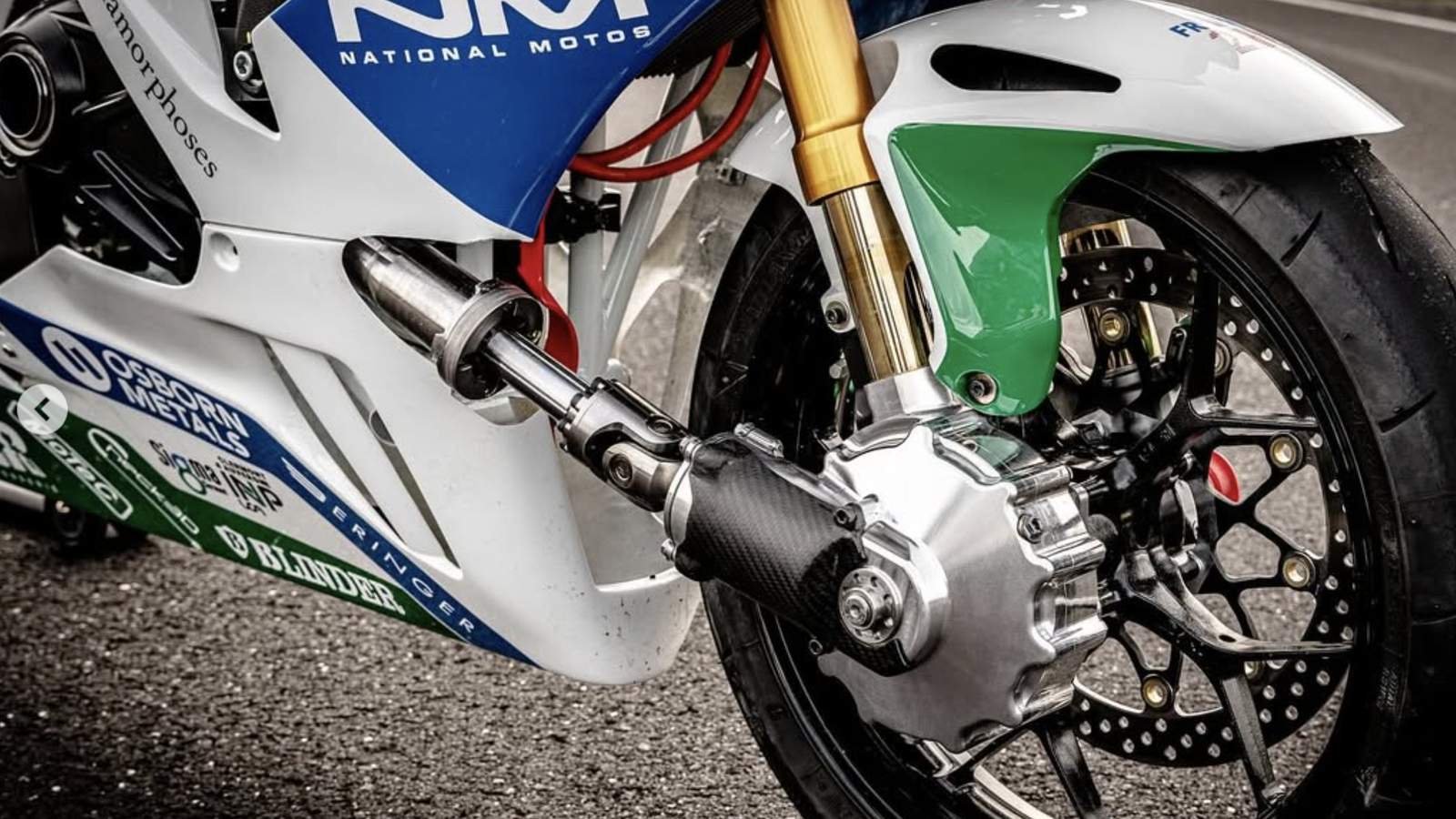
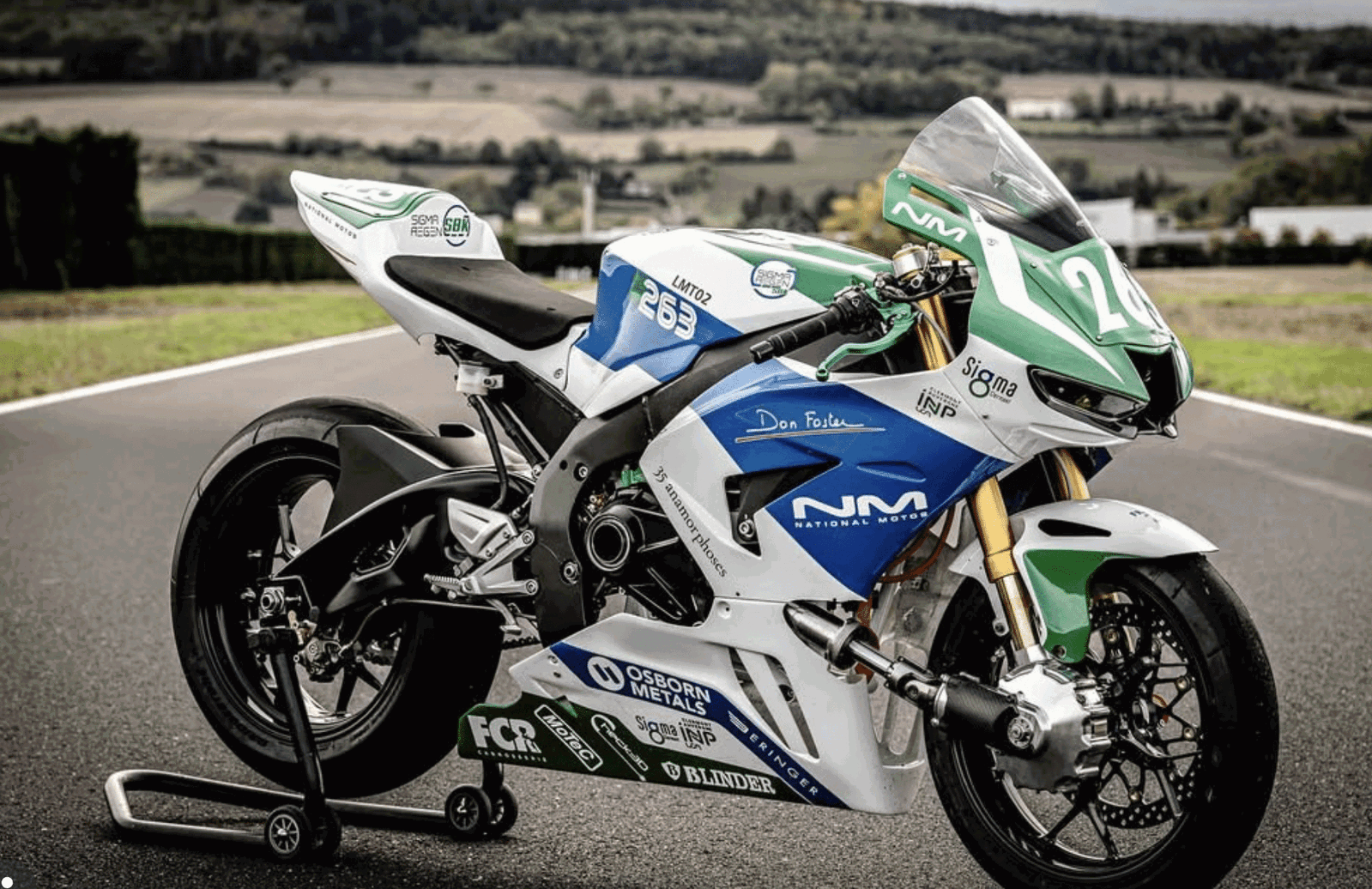
SIGMA Clermont has unveiled the LMT02, an electric prototype based on the Honda CBR1000RR-R Fireblade and intended to move its Le Mans programme closer to a genuine endurance racer. The key change is not simply a revised electric powertrain: the front wheel is now involved in both propulsion and energy recovery. That gives the LMT02 a two-wheel-drive layout.
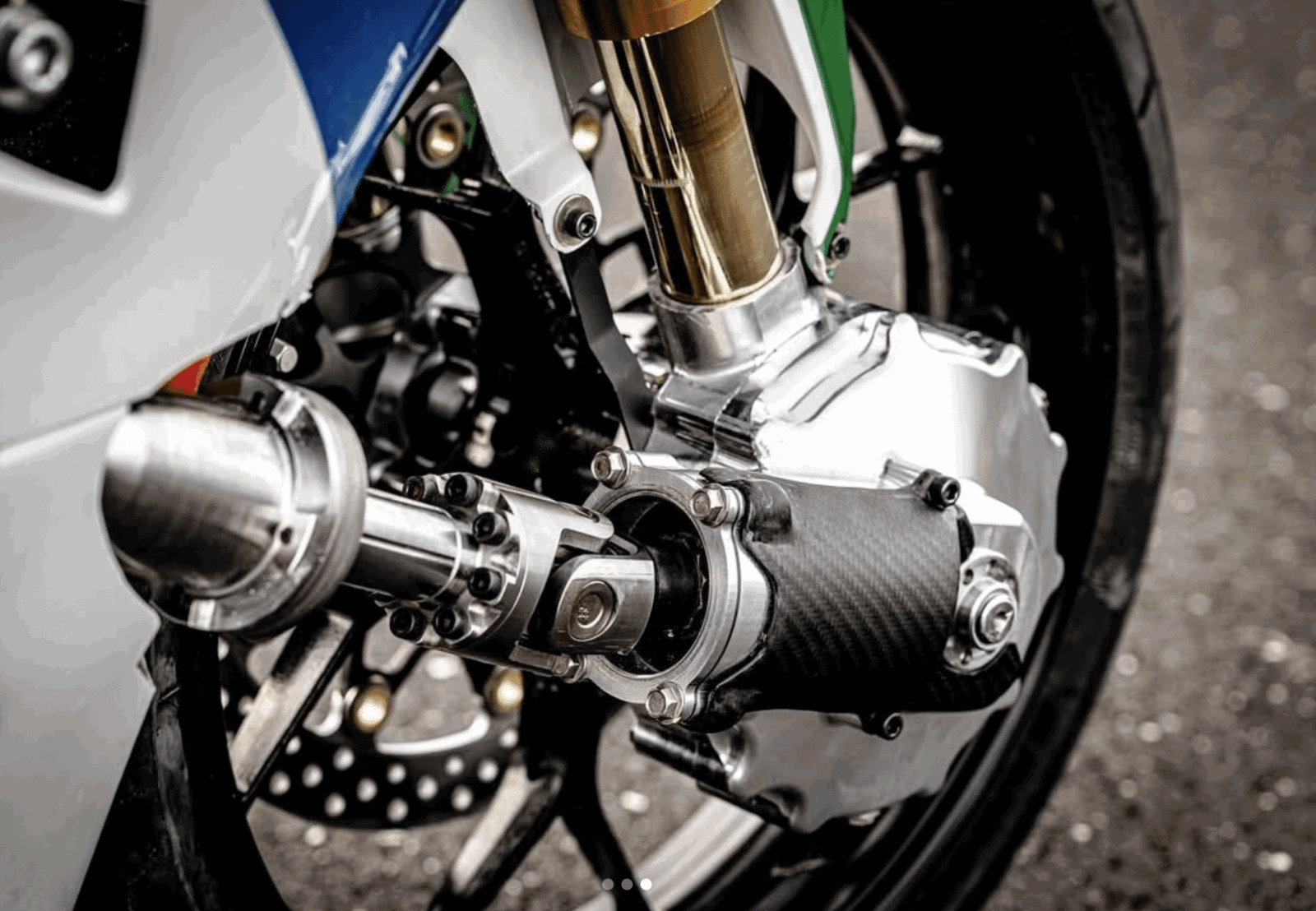
The earlier LMT01 served mainly as a test platform for the team’s electric drive system and battery regeneration. The LMT02 introduces SRERA, short for Système de Récupération d’Énergie sur la Roue Avant, or Front Wheel Energy Recovery System. Its front-wheel unit forms part of the motorcycle’s electric drive and recovery arrangement. Because the motor can be controlled independently, the concept avoids the conventional mechanical transmission that makes driving a steering wheel difficult on a motorcycle.
SIGMA says SRERA has been tested and validated, with the ability to recover up to 33% of the battery’s energy. The front wheel is especially useful during regenerative braking because deceleration transfers a significant share of the motorcycle’s load forwards. Alongside the new wheel arrangement, the LMT02 receives revised electronic management, intended to take the project beyond the earlier development machine and towards a more complete working prototype.
The route towards the LMR02
Students and engineers at SIGMA Clermont are developing the project in France with support from National Moto, the endurance racing team that supplied the original Fireblade chassis. The immediate next stage is the LMR01, which is intended to pursue the electric motorcycle lap record at Le Mans’ Bugatti circuit.
The LMR01 is planned to lead to the LMR02, which is expected to use an 800-volt electrical architecture and deliver up to 250 kW (340 bhp). The programme’s ultimate objective is an entry in the 24 Hours of Le Mans in 2029. Reaching that point will also require more funding: the team is seeking around €190,000 (approximately £160,000) for high-performance batteries capable of fast charging.
If the project reaches the 2029 starting grid, SIGMA’s motorcycle could become the first two-wheel-drive machine to line up for the 24 Hours of Le Mans. Two-wheel drive has already appeared in off-road competition, including Yamaha’s WR450F 2-Trac in the Dakar Rally. SIGMA’s approach applies the idea to an electric endurance prototype, where the front motor can serve both as a drive unit and as part of the regenerative-braking system.
THE STORY IN PHOTOS
3 photos
THE EVIDENCE BEHIND THE STORY
Sources
Spotted something that needs correcting? Contact the editorial team