
UK considers extending emissions rules to motorcycles despite evidence dispute
The DfT wants category L vehicles covered by Regulation 61A, but MAG says the department has not shown why motorcycles need the change.

4 min read
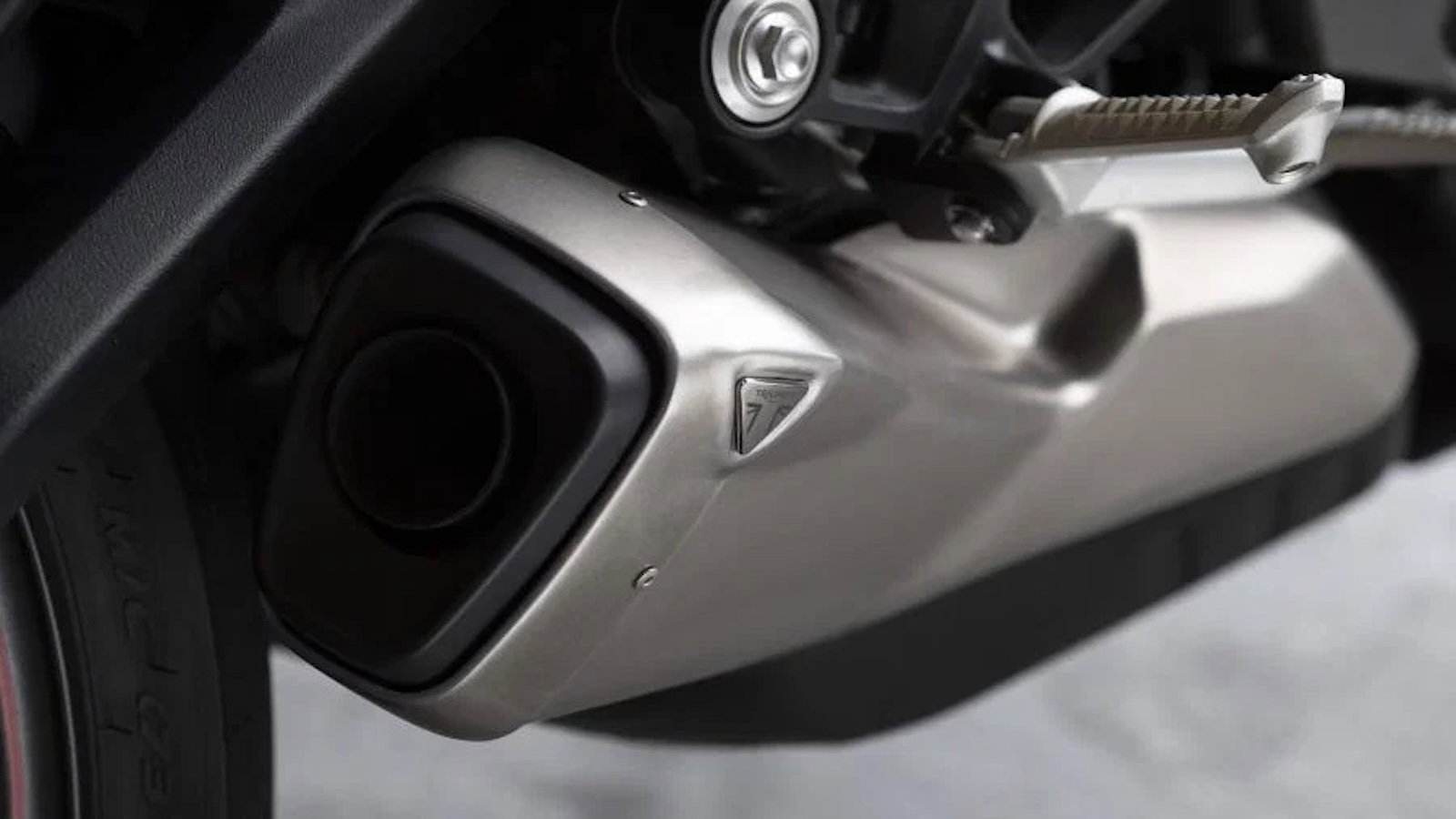
The UK Department for Transport is considering extending an existing emissions rule to motorcycles, scooters, mopeds and other category L vehicles. The proposal has become contentious because the DfT acknowledges that it has limited analytical evidence specifically concerning emissions from motorcycles in use, while the Motorcycle Action Group (MAG) says the department has not supplied the analysis it requested to justify including them. Visordown reported on the consultation and the dispute surrounding it.
The change concerns Regulation 61A of the Road Vehicles (Construction and Use) Regulations 1988. The regulation deals with vehicles whose emissions-control systems have been tampered with or modified. The proposed extension would bring category L vehicles into rules intended to ensure that a vehicle continues to meet the emissions requirements that applied when it was built and registered, rather than allowing its emissions performance to drift away from that original standard.
The benchmark would follow the motorcycle’s age
This is not a proposal to make every motorcycle on the road comply with the newest Euro limit. A motorcycle built and registered under Euro 3 would still be judged against the standard applicable to that machine; the same principle would apply to motorcycles produced under Euro 4 or Euro 5 requirements. The proposed legal benchmark would therefore vary according to the individual vehicle’s production and registration history.
That distinction matters because the proposal could reach motorcycles that are already in service. If an older bike no longer maintains the emissions level required when it was produced, it could become relevant under the amended rules even though it was originally compliant. The DfT’s stated approach is focused on preserving the vehicle’s applicable standard throughout its life, not retrospectively imposing Euro 5+ limits on an older motorcycle.
Modified exhausts and engine maps are at the centre of the debate
Common modifications could be affected if they increase exhaust emissions beyond the level associated with the motorcycle’s original requirements. Visordown specifically identifies decat pipes, exhaust changes and revised engine maps as modifications that could become problematic under the proposed framework. The significance for riders is that the measure would not be limited to future models or newly registered motorcycles: it could apply to modified bikes already being used on British roads.
Age and deterioration create a different kind of difficulty. The systems responsible for keeping emissions within the applicable standard can wear or degrade as a motorcycle gets older, and the rider may not immediately notice the change. The issue would therefore extend beyond deliberate removal or alteration of emissions equipment. A motorcycle could potentially fall outside its original emissions performance through a combination of age, condition and modification.
MAG challenges the motorcycle-specific case
MAG is not arguing only about whether emissions-control equipment should be protected. Its central question is why motorcycles need to be brought under this particular regulation and what motorcycle-specific problem the extension is intended to solve. According to Visordown, the group asked the DfT for the analysis behind the proposal and subsequently established that the department did not have the analysis or evidence it had requested to support the inclusion of motorcycles.
That separates two issues which can otherwise become blurred. Preventing deliberate interference with emissions systems is a general policy objective. Demonstrating that category L vehicles require an expanded legal framework is a separate question, requiring an explanation of the scale and nature of the motorcycle problem. The DfT’s acknowledgement of limited analytical evidence specific to in-use motorcycle emissions leaves that justification at the centre of the argument.
If adopted, the change could affect several generations of motorcycles, along with used machines and bikes that have already been modified. It could also create practical questions around motorcycles whose emissions systems have deteriorated without an obvious external sign. The eventual wording would determine how those cases are treated, but the proposal is broader than a rule aimed solely at deliberately altered exhausts.
What happens next
The consultation closed on 6 September. The DfT must now consider the responses before deciding whether to proceed and, if it does, what form the extension should take. Until that process produces a decision, Regulation 61A should not be presented as a new motorcycle requirement already in force. For UK riders, the key questions are the final treatment of modified and ageing motorcycles and the explanation for applying the regulation to category L vehicles in the first place.
THE EVIDENCE BEHIND THE STORY
Sources
Spotted something that needs correcting? Contact the editorial team ↗