
Northern Ireland’s new motorcycle licence route adds 10 compulsory modules
The A1, A2 and A process will use a signed logbook, a two-year R-plate period and no 45 mph restriction.

3 min read
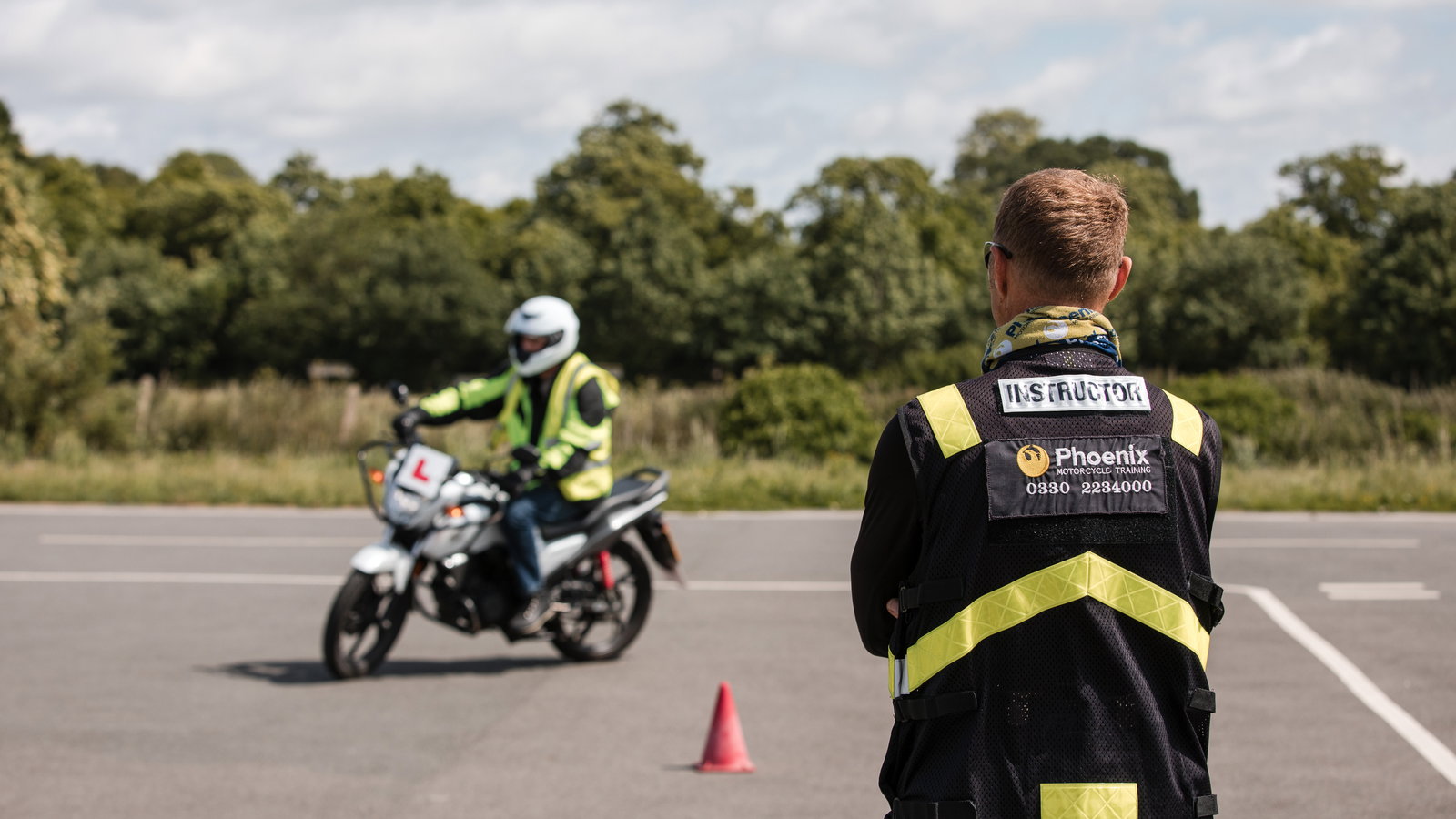
Northern Ireland will introduce a new graduated motorcycle licensing route from 1 October. It covers the A1, A2 and A categories and places structured preparation and recorded progress at the centre of the process before a learner reaches the practical test. The arrangement sits within Northern Ireland’s wider Graduated Driver Licensing system, which is intended to reduce collisions involving new and inexperienced road users and was developed mainly around young car drivers.
Motorcycle learners will have to complete 10 compulsory modules. Their scope goes beyond basic machine control, covering knowledge, riding skills, attitudes and behaviour. A further module on motorway riding is available, but the 11th module is optional. Completion will be tracked through a mandatory logbook, and every section must be signed off before the learner can take the practical test. Access to the Programme of Training and Logbook costs £17. The logbook is part of Northern Ireland’s digital GDL system, which is also used in the car licensing process.
A separate set of restrictions for riders
The motorcycle pathway does not simply copy the rules for Category B car learners. Motorcycle learners will not be subject to the six-month mandatory minimum learning period applied to car learners. Restrictions aimed at young newly qualified car drivers, including limits on driving late at night and carrying passengers, will not apply to motorcycle riders either.
The post-test rules do change. The period during which a newly qualified rider must display an R plate will run for two years instead of 12 months. At the same time, the existing 45 mph restriction will be removed, allowing newly licensed riders to use the posted speed limit for the road rather than a separate lower motorcycle limit.
Existing learners get a transition period
Learners whose Category A provisional entitlement started before 1 October can stay on the current route and take the existing practical test until 31 March 2027. From 1 April 2027, a learner will need to complete the new Programme of Training and Logbook before booking the practical test. That gives current candidates a defined period in which to finish under the existing arrangements.
The National Motorcyclists Council and the British Motorcyclists Federation support the principle of structured motorcycle training, but argue that its results must be measured. They want the system judged on whether the extra preparation produces safer riders and more progress towards full motorcycle licences, rather than on the assumption that additional requirements will automatically deliver those outcomes. They also warn that added cost and complexity could discourage some learners from continuing.
The immediate change is specific to Northern Ireland because motorcycle licensing is devolved; it does not automatically alter the arrangements in England, Scotland or Wales. The UK Government’s Road Safety Strategy, published in January 2026, includes a review of motorcycle training, testing and licensing. The Department for Transport and DVSA are also examining ways to help riders who remain on provisional licences after completing CBT move towards a full licence. BMF Chair Jim Freeman says the approach should be high-quality, evidence-led, proportionate and affordable, so that a more structured route encourages further training instead of making it harder to continue.
THE EVIDENCE BEHIND THE STORY
Sources
Spotted something that needs correcting? Contact the editorial team ↗