
SuperBike Factory collapse exposes £27.8m debt and failed rescue
The UK used-motorcycle retailer stopped trading in July after mounting losses, weaker market conditions and an unsuccessful attempt to find a buyer.

3 min read
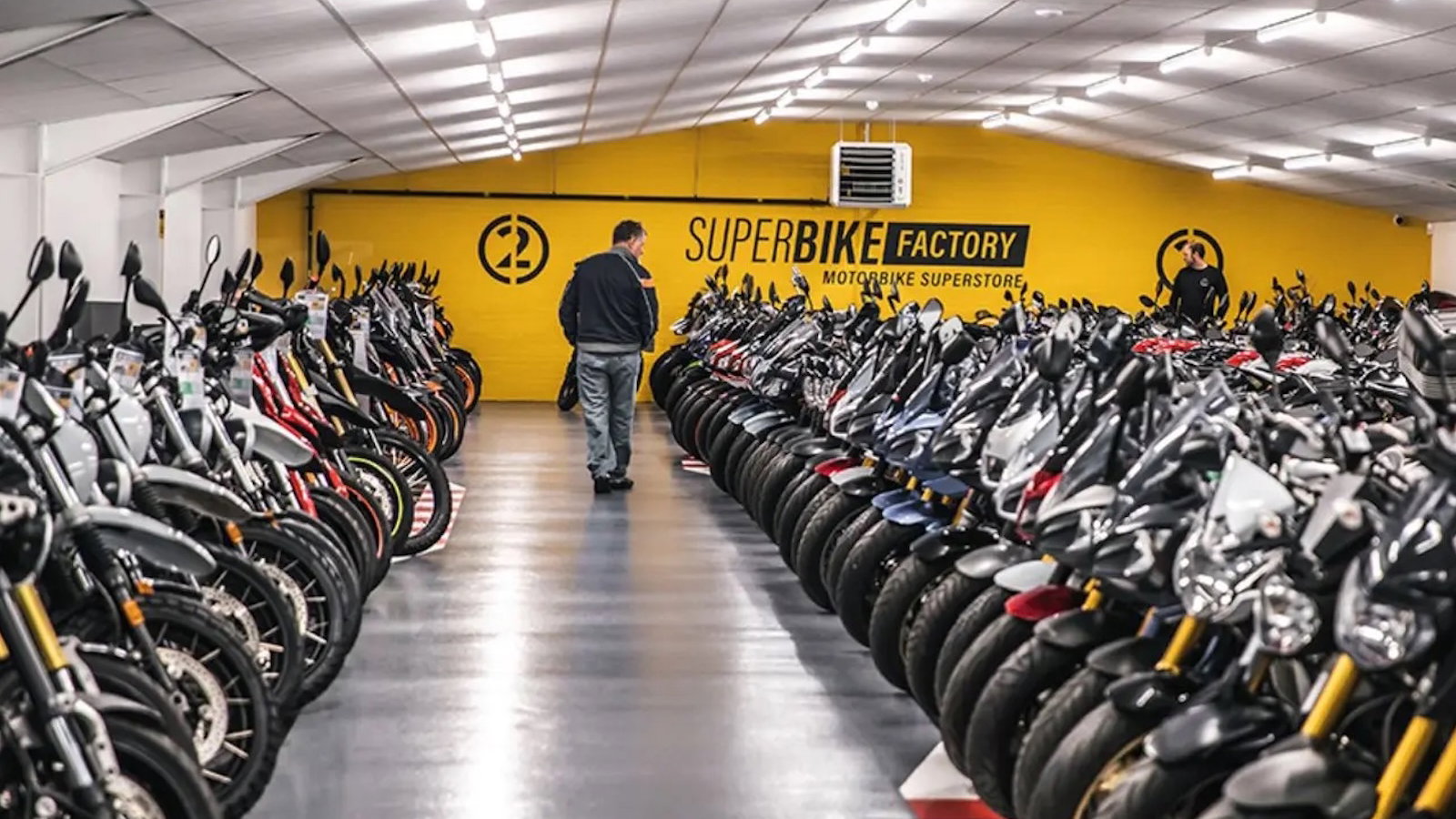
SuperBike Factory’s collapse left the UK used-motorcycle retailer with debts of about £27.8m, according to the administrators’ report to creditors. The company had grown into a large national operation, but a prolonged market slowdown, rising costs and falling sales eventually left it unable to continue trading.
At its peak, SuperBike Factory Group generated annual turnover of around £94m, selling approximately 17,000 motorcycles through six showrooms and its online business. About 270 people were employed before the collapse. The scale of the losses that followed was substantial: the trading company recorded a £19.1m pre-tax loss in 2024, followed by a further £11.7m loss in unpublished 2025 accounts.
Creditors and the failed sale process
Private-equity owner Enact was owed £14.2m, while DF Capital Bank, which supplied stock finance, was owed approximately £11.9m. DF Capital has been recovering much of its position by repossessing motorcycles covered by retention-of-title arrangements. The collapse also created an ownership dispute over some motorcycles held by SuperBike Factory or sold to customers, with a third-party funder claiming ownership of certain machines.
The company owed HMRC £2.2m under a time-to-pay arrangement but had fallen behind on the agreed instalments. A further £5.3m was owed to unsecured creditors, including suppliers, customers and employees. The figures illustrate how the retailer’s financial difficulties extended beyond its main lenders and owner.
DF Capital brought in KR8 Advisory in March 2026 to assess SuperBike Factory’s liquidity. One issue was a request from the retailer to increase its funding facility, partly to address growing HMRC arrears. DF Capital continued supporting the business while it attempted to recover during the spring and summer, but sales did not reach the forecast levels. KR8 returned in June to conduct an accelerated sale process. Several parties showed interest, yet no agreement was completed that would have kept the business trading as a going concern.
A market downturn and a sudden shutdown
The administrators linked the failure to a prolonged cooling of the used-motorcycle market after the Covid-era boom. Higher borrowing costs, declining used-bike values, tougher competition and slower stock turnover all put pressure on the business. The Financial Conduct Authority’s review of historic motor-finance commission arrangements added uncertainty, while higher employment costs, including increased employer National Insurance contributions, pushed overheads higher.
Visordown also reported that two former employees had seen warning signs before the formal administration, although their perspectives inside the business differed. The immediate breakdown came in mid-July, when SuperBike Factory’s IT supplier cut access to critical systems because of unpaid bills. The retailer filed a notice of intention to appoint administrators on 17 July. Its sites could not open over the following weekend, before KR8 formally took control on 20 July.
The administration ended a business founded in 2010 with a single showroom. Macclesfield remained its flagship location as the company expanded, adding Donington Park in 2021, acquiring Ritebike in 2022 and later opening showrooms in Bristol, Milton Keynes and Crawley.
Customers were affected as well. Visordown had previously reported cases in which motorcycles handed to SuperBike Factory were advertised for sale before their owners had been paid. One Ducati owner recovered a £5,200 Streetfighter 848 from the Donington site just hours before trading stopped. The collapse came amid wider strain in the UK motorcycle sector: Completely Motorbikes, which operated 21 showrooms and had turnover of around £70m, collapsed in 2024, while Mutt Motorcycles and CCM Motorcycles entered administration in 2025.
THE EVIDENCE BEHIND THE STORY
Sources
Spotted something that needs correcting? Contact the editorial team ↗