
Harley-Davidson plans an air-cooled Sportster for 2027
A returning Sportster and cheaper motorcycles form the core of Harley-Davidson’s attempt to reach a broader audience.

2 min read
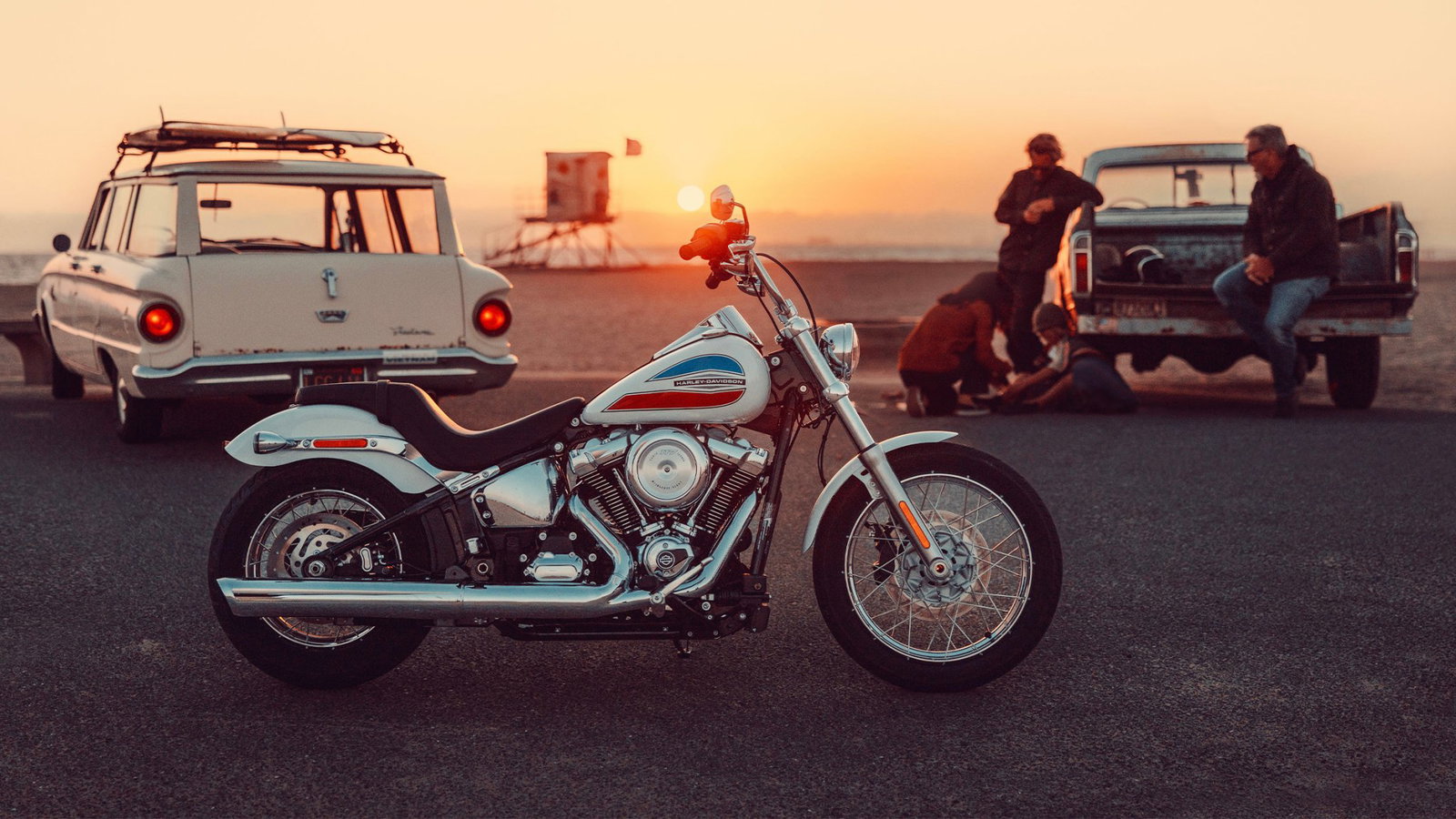
Harley-Davidson is planning to bring back an air-cooled Sportster for 2027, while also pushing further into the more affordable end of the motorcycle market. The move fits chief executive Artie Starrs’s effort to reconnect the company’s heritage with a range that is easier for new customers to approach. Harley-Davidson’s share price has risen by almost a third during 2026, but that improvement alone does not amount to a completed turnaround.
The Sportster’s return follows the company’s decision to discontinue its air-cooled, Evolution-engined Sportsters in 2022. Harley-Davidson says the new plan comes after intense demand from riders and dealers, and it could restore a more approachable route into Harley ownership. The Sportster traditionally offered the brand’s V-twin character in a smaller and less costly package than its heavyweight cruiser and touring motorcycles.
That gives the motorcycle two possible jobs. It may encourage existing Harley-Davidson owners to revisit the dealerships, while also giving new customers a less intimidating entry point. Its importance is therefore not limited to reviving a familiar name; it is also a test of whether the company can make its traditional identity fit a market increasingly concerned with size and purchase cost.
X440 leads a wider affordable-bike push
The Sportster is only one part of Harley-Davidson’s move towards the entry-level sector. The company is expanding that approach through its partnership with Hero MotoCorp. The X440 was developed with Hero and is built in India. It is a straightforward, low-cost single-cylinder motorcycle, with weight and overall dimensions broadly comparable to most A2-licence bikes, making it considerably more accessible than the other motorcycles in Harley-Davidson’s range.
A further model called Sprint is also being planned at a lower price point. It is intended for customers who struggle to justify the cost of a larger Harley-Davidson. The strategy reflects a wider global market in which smaller, cheaper motorcycles account for a substantial share of growth.
Harley-Davidson has clear reasons to broaden its reach. The company’s average customer age is around 45, and its sales volumes remain well below the levels achieved two decades ago. Less expensive motorcycles could help attract younger riders and expand the customer base, but their commercial result will depend on pricing, production costs and dealer margins. The Sportster and Sprint will need to become viable products in the marketplace before Harley-Davidson’s new balance between heritage and accessibility can be judged as a durable recovery.
THE EVIDENCE BEHIND THE STORY
Sources
Spotted something that needs correcting? Contact the editorial team ↗