
European motorcycling contributes €35 billion to GDP
An ACEM–Oxford Economics study links the sector to 481,600 jobs while recording a doubling of its trade deficit.

2 min read
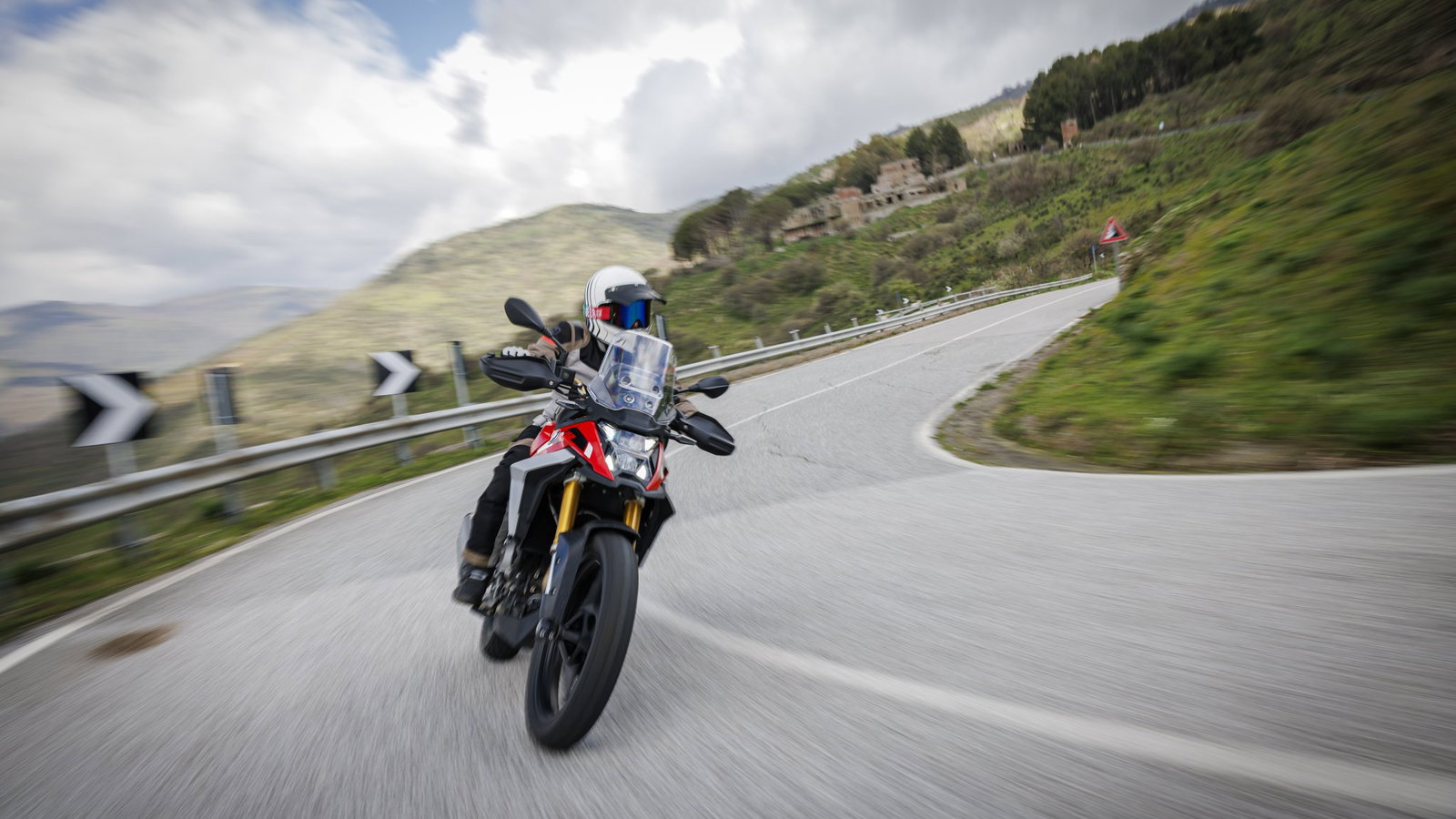
Europe’s motorcycle industry contributes €35 billion to GDP and is associated with 481,600 jobs, according to a study carried out by ACEM with Oxford Economics. ACEM presented the study at EICMA, outlining an economic footprint that reaches from manufacturing to services and activities connected with motorcycle use.
How the contribution is distributed
Manufacturing, selling and repairing motorcycles account for the largest share, worth €26 billion. Rider equipment, including helmets and other gear, represents another €5 billion, while racing and other events contribute €2.7 billion. The breakdown places the industry’s impact well beyond the transaction involving a new motorcycle, covering the commercial ecosystem around ownership and participation.
Antonio Perlot, ACEM’s Secretary General, said the figures show motorcycling’s economic value to Europe, as well as its practical contribution to how people move through cities. He called for fair and reciprocal access to international markets, meaningful inclusion of motorcycles in urban transport planning, and conditions that support manufacturers’ continued investment in Europe.
The trade gap has doubled
The study also puts the sector’s trade deficit at €2 billion, twice the €1 billion gap recorded in 2019, with imports exceeding exports. That figure adds a structural warning to the industry’s sizeable economic contribution: its European activity remains exposed to trade balances and policy choices affecting competitiveness.
Mariano Roman, President of Confindustria ANCMA, said the sector generates jobs, expertise and innovation, with Italy among Europe’s significant industry players. He also stressed that higher registration numbers do not automatically produce higher output or profitability. In his view, continued investment and innovation require clear and proportionate rules, reciprocal trade conditions and mobility policies that properly account for two-wheelers.
THE STORY IN PHOTOS
3 photos
THE EVIDENCE BEHIND THE STORY
Sources
Spotted something that needs correcting? Contact the editorial team