
Motorcycle Riding Lowers Stress While Sharpening Alertness, Study Finds
A UCLA study of more than 50 experienced riders recorded changes in stress markers, heart rate, adrenaline and alertness after roughly 20 minutes of riding.

1 min read
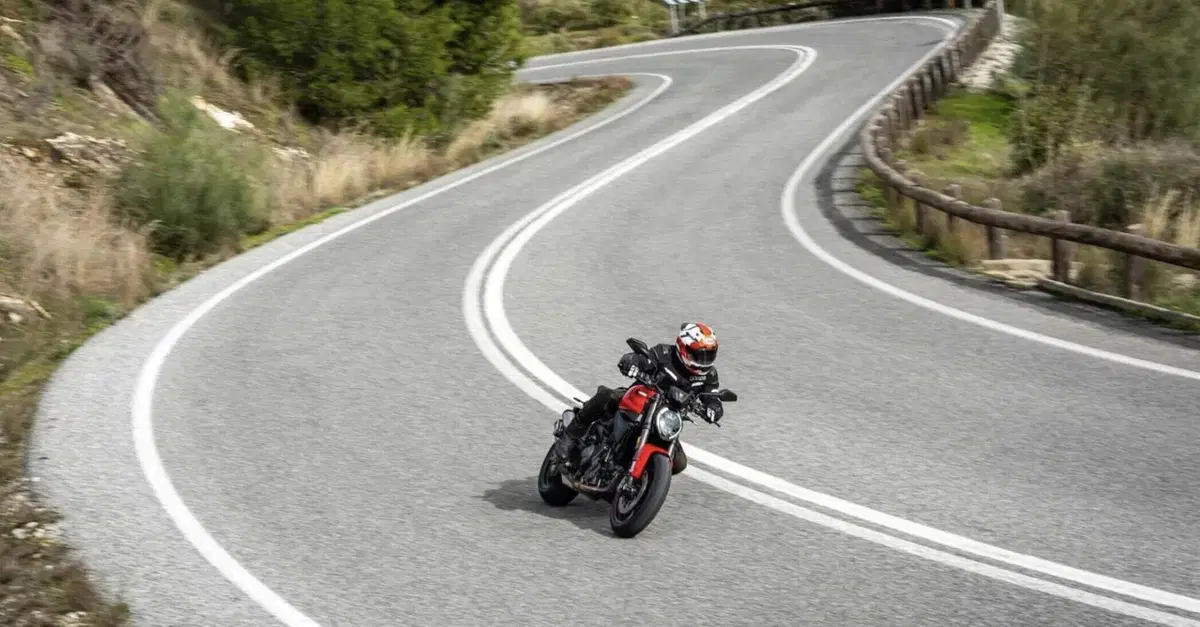
A motorcycle ride lasting roughly 20 minutes appears to combine lower stress markers with stronger physical and mental activation. That is the central finding of a neurobiological study by researchers at UCLA’s Semel Institute for Neuroscience and Human Behavior, led by neuroscientist Don Vaughn. The study was published in Brain Research with support from Harley-Davidson.
More than 50 experienced motorcyclists took part. During the riding sessions, the researchers used mobile electroencephalography and hormonal analysis to track the body’s response. Hormonal biomarkers associated with stress fell by up to 28% compared with resting conditions, with cortisol among the markers included in the measurements.
The result was not simply passive relaxation. Heart rate increased by an average of 11%, or about 10 beats per minute, while adrenaline rose between 27% and 29%. At the same time, the EEG recorded heightened alertness and visual attention. The continuous involvement demanded by a motorcycle was linked with “calm alertness”, rather than the mental “autopilot” that the comfort of a car can encourage. The overall physiological response was compared with light physical activity combined with meditation, while the effect on alertness was likened to a cup of coffee.
THE EVIDENCE BEHIND THE STORY
Sources
Spotted something that needs correcting? Contact the editorial team