
Kawasaki Corleo: a hydrogen-powered vehicle steered by body movement
Kawasaki is developing the Home LEO social robot alongside Corleo, a four-legged off-road vehicle that applies physical AI to personal mobility.

2 min read
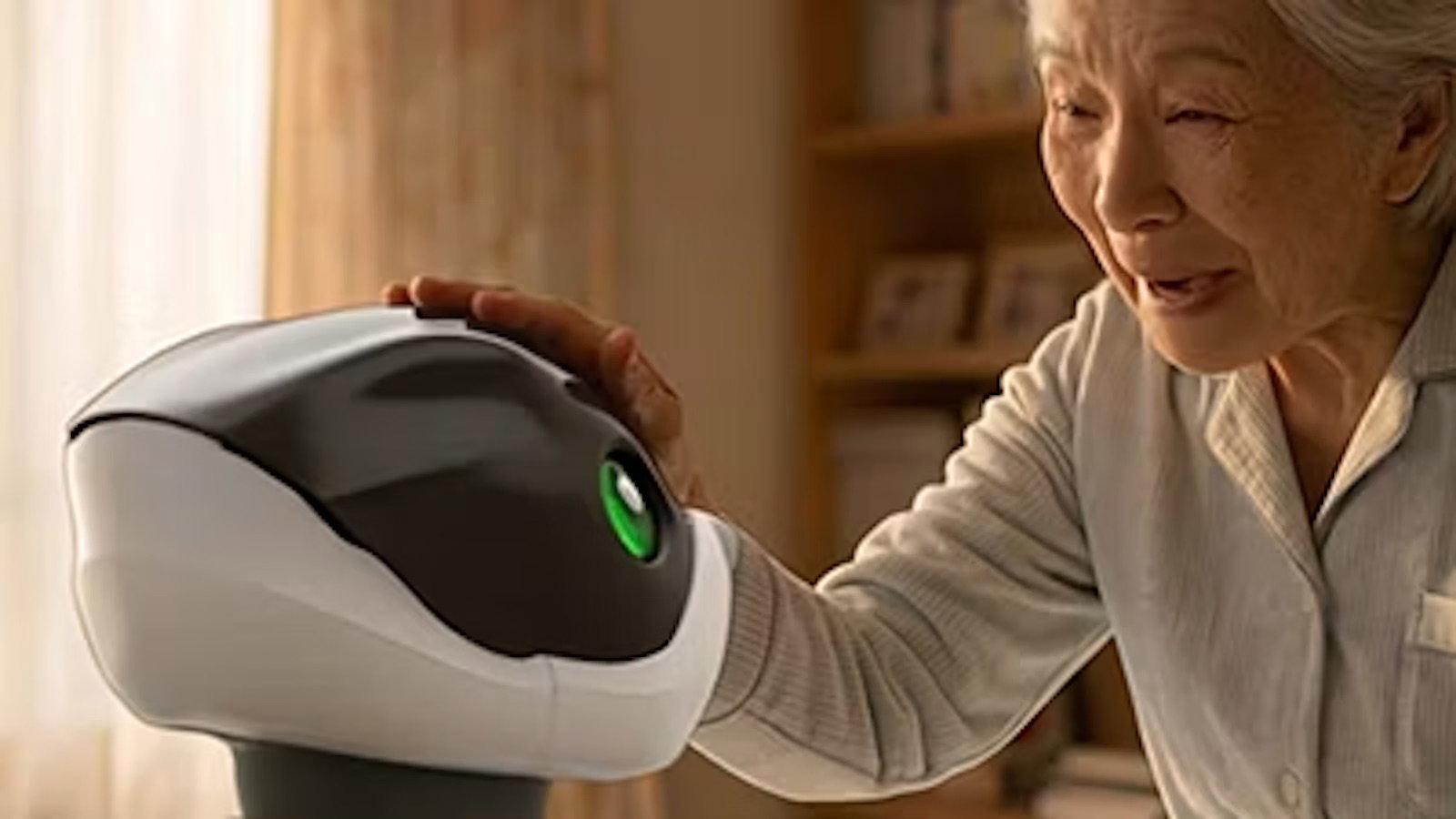
Kawasaki is taking its robotics work in two distinct directions. Home LEO is a social robot intended for elderly people living at home, while Corleo is a four-legged personal mobility vehicle designed for off-road use. The latter is the project with the clearest connection to motorcycling: it has no wheels and is not controlled through a conventional handlebar arrangement.
Kawasaki says Home LEO can recognise its surroundings, interact with people and keep track of what is happening around it. The company also envisages the robot eventually helping with everyday tasks. Demonstration programmes are planned with healthcare organisations and government bodies, and a possible Japanese launch is being considered for fiscal 2028.
Corleo replaces wheels with four robotic legs
Kawasaki first presented Corleo at Expo 2025 in Osaka. The vehicle uses four robotic legs rather than wheels and is powered by hydrogen. Its rider controls movement through body actions, combining an approach familiar from horseback riding with the weight transfer used to influence a motorcycle.
Kawasaki is examining a special IMU-equipped suit through patent work, with the aim of tracking the rider’s movements and centre of gravity and turning them into commands. The proposed modes are Slow, Fast, Automatic and Wasteland. Kawasaki has created the SAFE ADVENTURE development team and is working towards having Corleo operate at Expo 2030 in Riyadh. Commercial use is targeted for around 2035, while a simulator is being developed for gaming, esports and vehicle development.
The rider and vehicle share the decision-making
Kawasaki calls Corleo’s control philosophy adaptive shared control. The system reads the rider’s inputs and may adjust them when it judges that they are leading towards an especially poor decision. In practical terms, the machine is intended to do more than execute commands: it also interprets those commands and responds to the conditions around it.
Home LEO has a completely different role, but both projects reflect the same broader move towards robotics and physical AI that can interact directly with people. Corleo remains a long-term and highly unusual proposition, yet it offers a clear view of Kawasaki’s thinking about personal mobility when control extends beyond a handlebar, throttle and switches.
THE EVIDENCE BEHIND THE STORY
Sources
Spotted something that needs correcting? Contact the editorial team ↗