
Astemo tests an electric motor inside the rear wheel
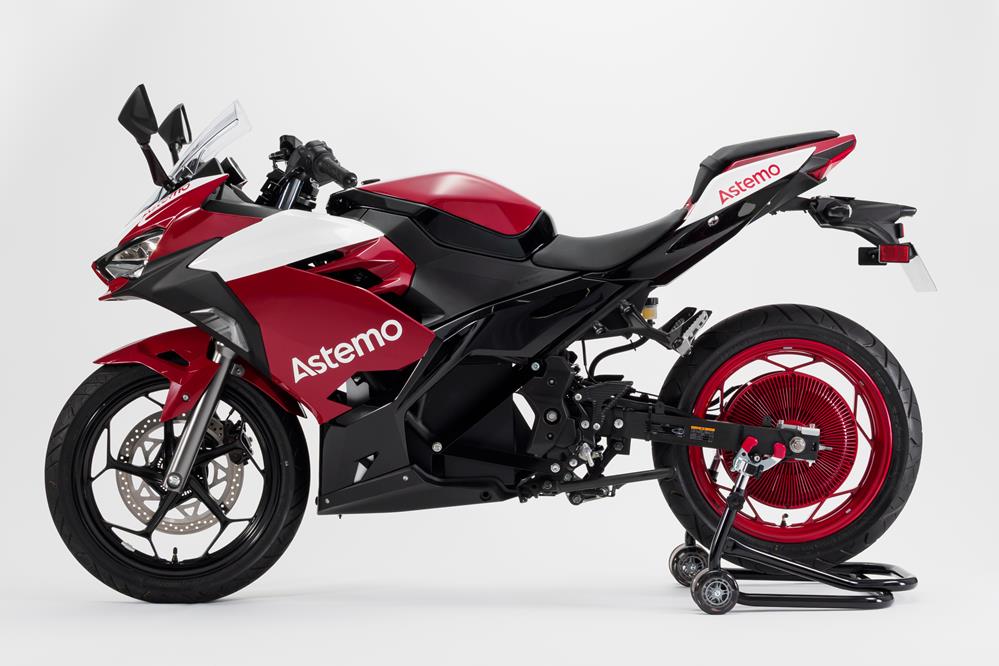
The in-wheel design is being developed on a Kawasaki Ninja e-1-based prototype for production applications from 2030.

3 min read
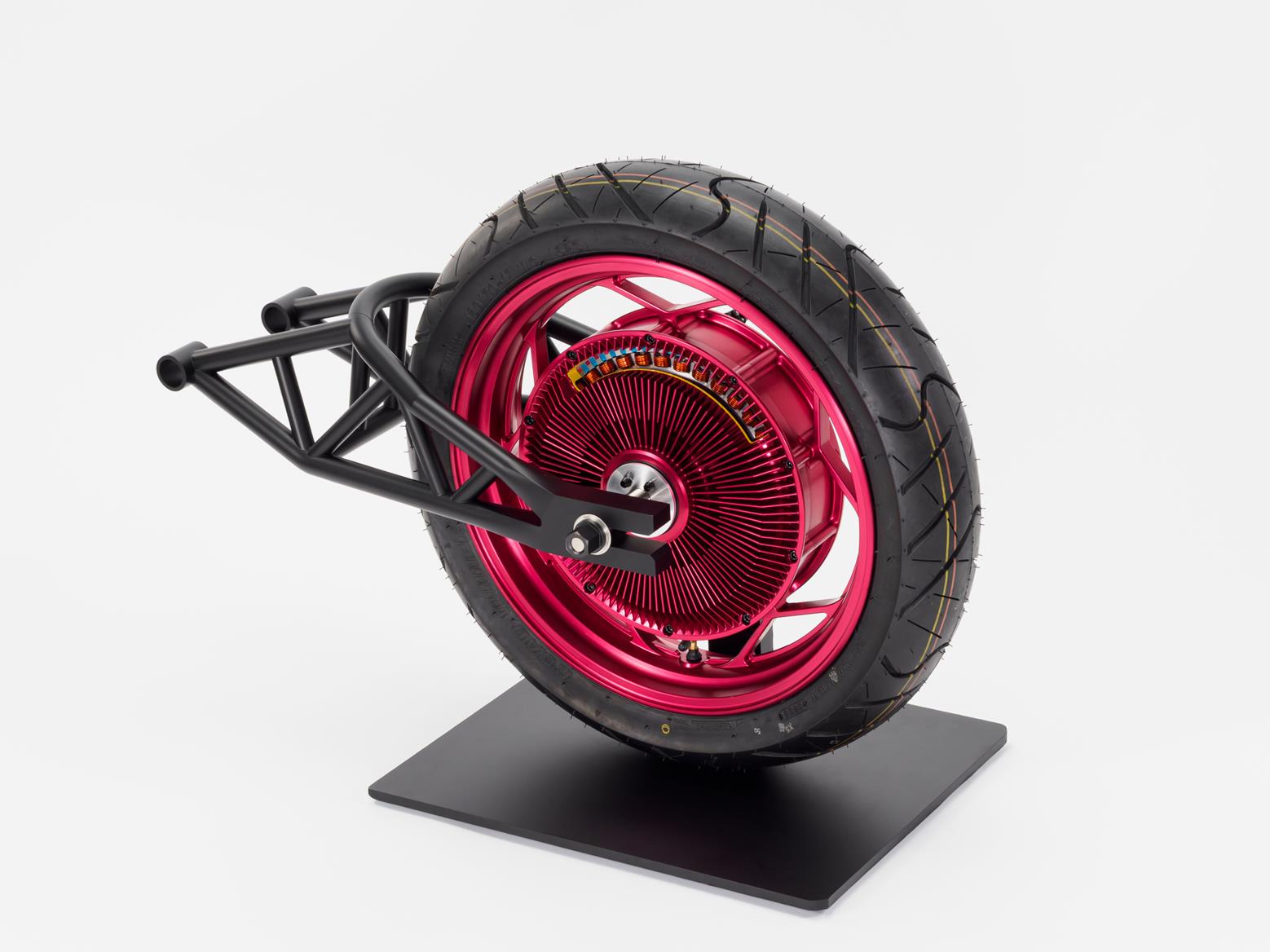
Astemo has shown an electric motor built into the rear wheel, opening a different route for packaging future battery-powered two-wheelers. The design is already being tested on a prototype based on Kawasaki’s Ninja e-1, while Astemo is working towards production applications from 2030. The planned scope extends beyond one motorcycle: the company is testing the concept for premium scooters and larger motorcycles equivalent to 250cc.
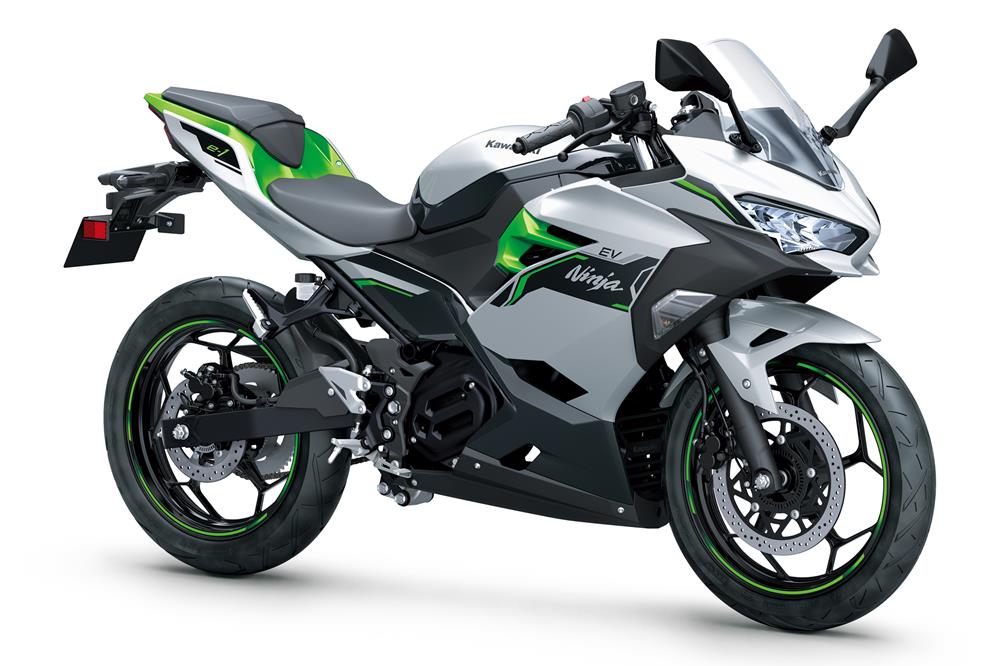
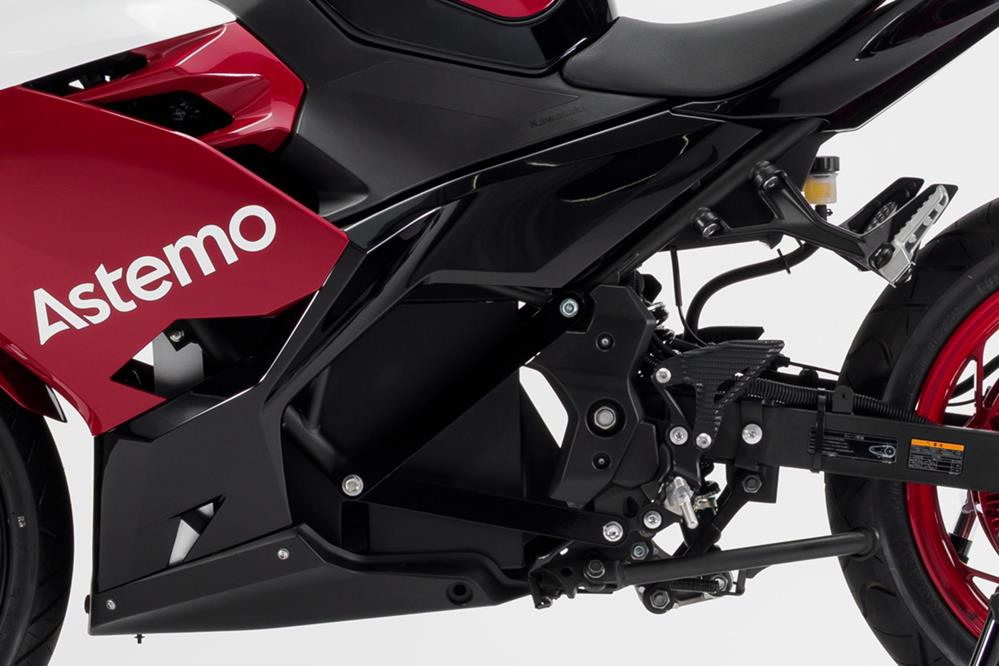
The major change compared with the production Ninja e-1 is the motor’s position and the way it drives the wheel. Kawasaki’s motorcycle places its electric motor inside a steel trellis frame and uses a chain to transmit drive to the rear wheel. Astemo’s development motorcycle puts the motor inside the wheel itself, eliminating the need for a separate transmission, chain or belt drive. Astemo says the arrangement could deliver a more immediate throttle response while reducing energy losses between the motor and the rear wheel.
More room for energy or storage
Moving the motor out of the chassis can free space for a larger battery without necessarily increasing the motorcycle’s external dimensions. In a scooter, the same packaging advantage could instead be used for storage beneath the seat. The in-wheel approach therefore changes more than the final drive: it also gives designers another way to distribute the battery, motor and practical equipment across an electric two-wheeler.
The motor occupies most of a 17in rear wheel. Its internal layout uses permanent magnets in a Halbach arrangement, with winding coils running around the circular hub design. Astemo has also addressed the component’s end of life. The company is trying to limit the use of rare-earth materials and has adopted coils that can be dismantled more easily for recycling.
Cooling a motor that rotates with the wheel
Thermal management is a key part of placing the motor in a rotating wheel. Cooling fins cover the outside of the unit, while wheel rotation assists the movement of heat away from it. Centrifugal force drives heat towards the outside of the motor, and the fin design has been developed to improve heat flow around the unit and reduce thermal bottlenecks. Air cooling also helps keep the assembly’s weight down, an important consideration for electric motorcycles.
Astemo is also targeting lower cogging torque, the resistance produced when the rotor’s permanent magnets interact with the stator slots. The intended result is smoother rotation from low speed and reduced noise. The company has drawn on expertise from the Hitachi Group, including its work on efficient, quiet motors for household appliances.
Astemo was founded in 2021. It employs approximately 80,000 people worldwide and produces automotive and motorcycle components for around 70 countries. Testing is continuing before the planned move towards production applications from 2030. If the layout reaches the market, its significance could extend beyond motor efficiency, changing how battery capacity, storage and other components are arranged on future electric two-wheelers.
THE STORY IN PHOTOS
4 photos
THE EVIDENCE BEHIND THE STORY
Sources
Spotted something that needs correcting? Contact the editorial team