
Royal Enfield Himalayan 750: bigger, not more difficult
Royal Enfield’s new adventure bike adds a 743cc twin, stronger low-down drive and touring comfort while retaining predictable behaviour away from the tarmac.

7 min read
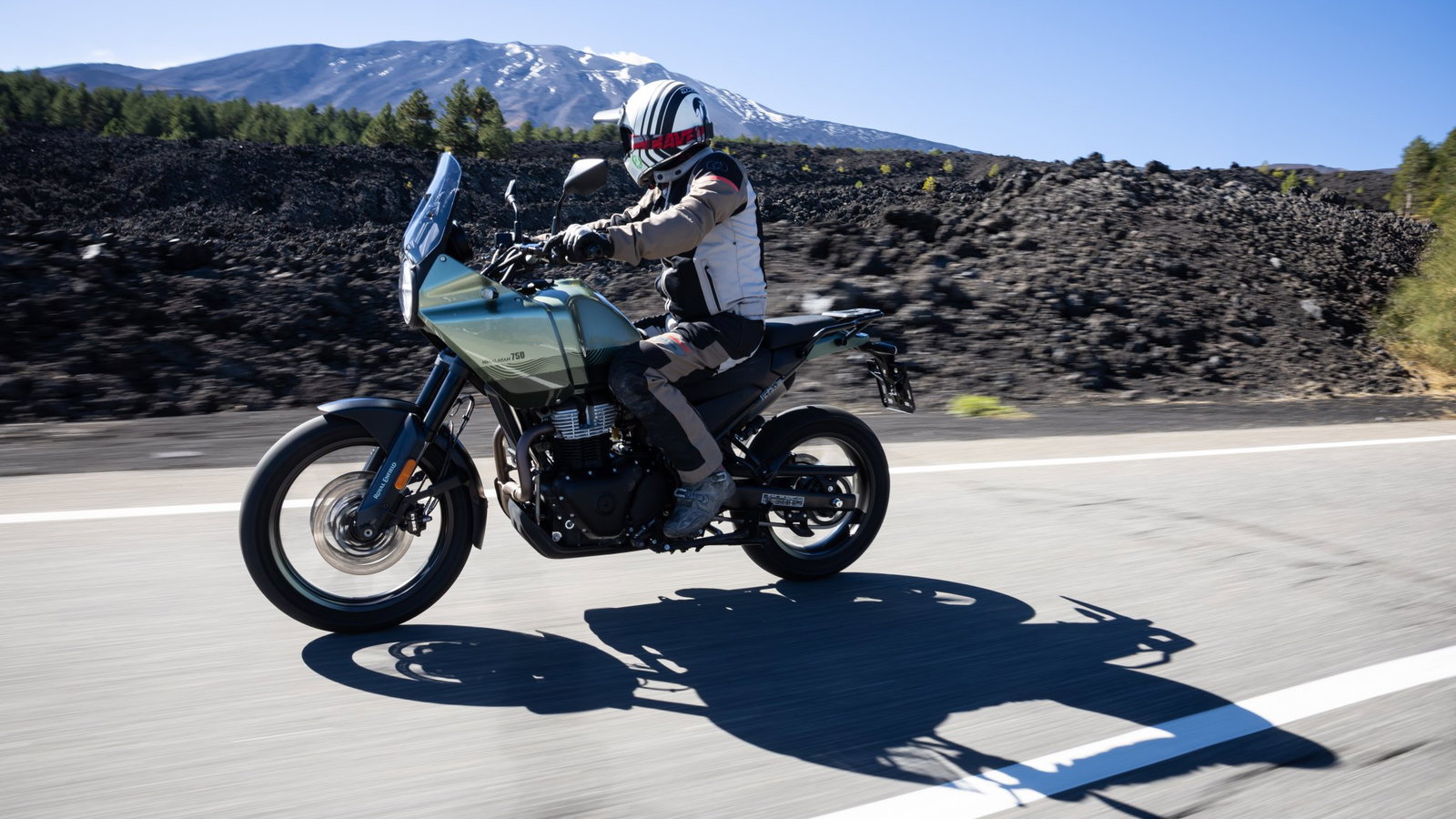
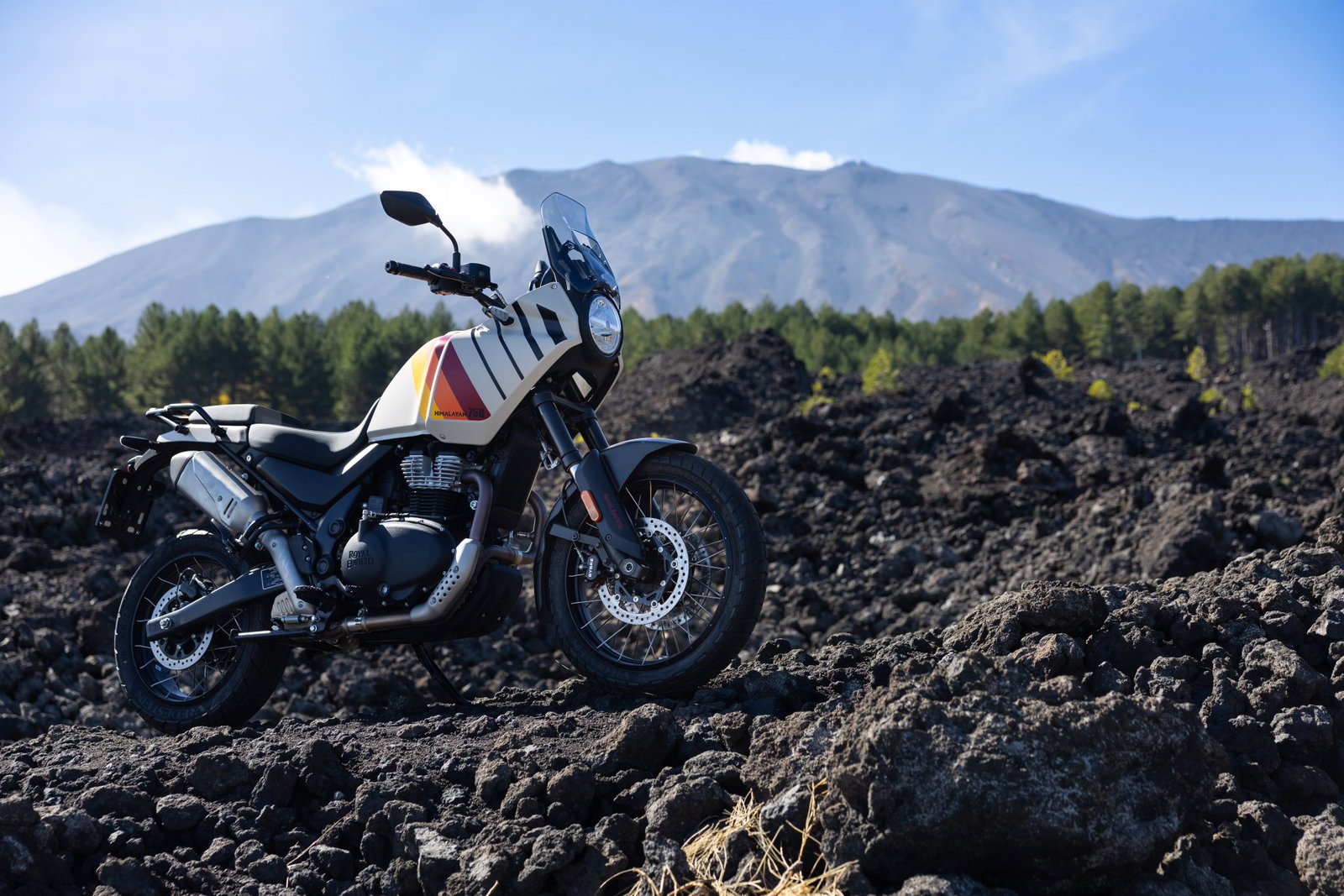
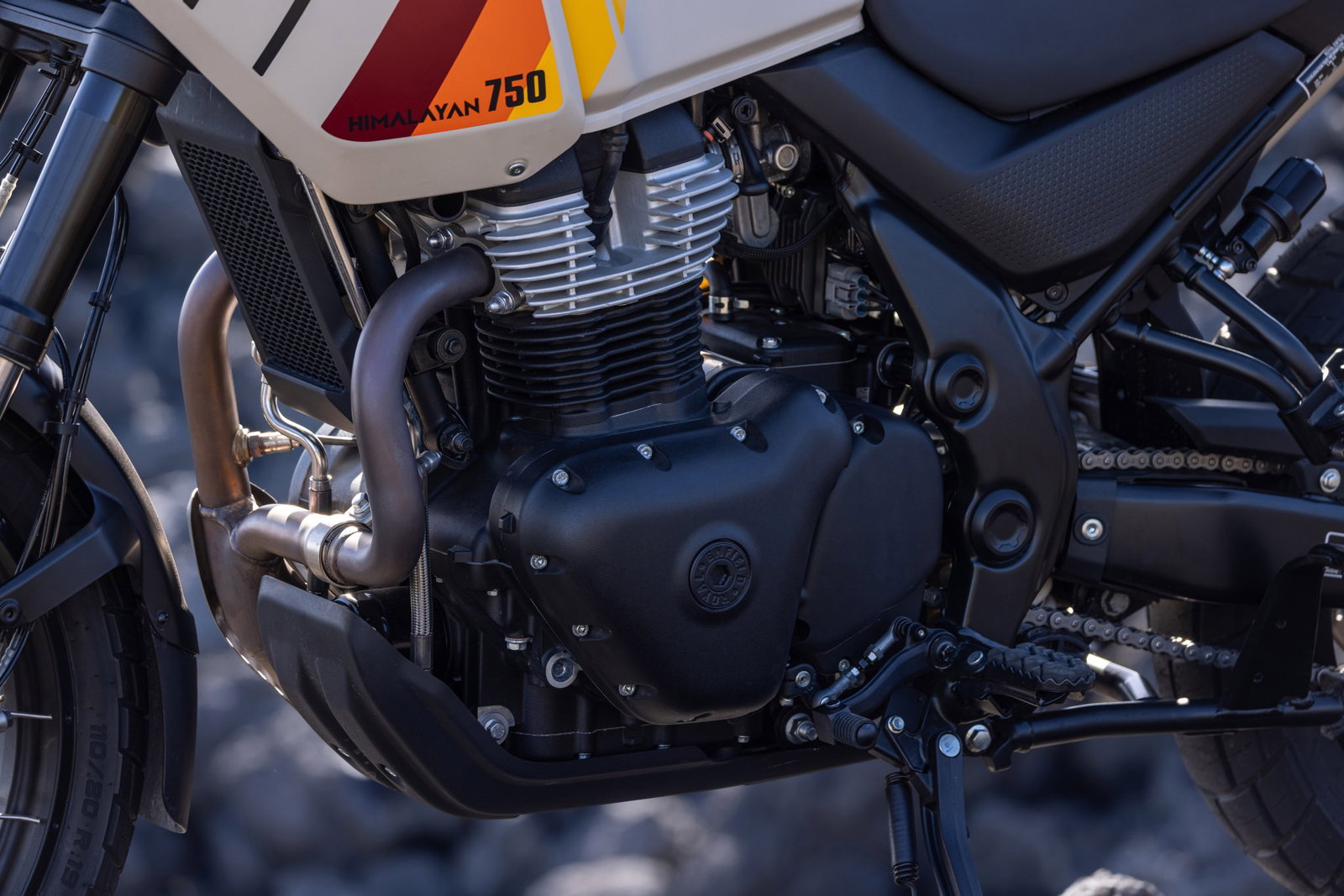
The Royal Enfield Himalayan 750 is the largest and most touring-focused Himalayan yet, but the increase in capacity has not changed the motorcycle’s basic character. It remains approachable in the way it delivers performance and in the way it deals with rough ground. The new 743cc parallel-twin produces 54.2bhp at 7,000rpm and 46.5lb-ft of torque at 5,000rpm. Those figures do not suggest a bid for outright power; they describe an engine tuned to be useful at low and medium revs, where an adventure bike spends much of its time.
The larger Himalayan was being explored long before the production bike arrived. In 2019, an unofficial machine carrying the P1G designation and the nickname ‘The Pig’ was being used as a Royal Enfield prototype. A small group of engineers built it in their own time, part passion project and part proof that the concept could work. At the time, Royal Enfield’s senior management had repeatedly ruled out a bigger-capacity Himalayan. The 750 is now the official form of that underlying idea: more engine and stronger long-distance ability without abandoning the model’s adventurous purpose.
Torque where it matters
Anyone familiar with the Continental GT 650 or Interceptor 650 will recognise the twin’s relaxed, accessible manner. The Himalayan 750 is not a nervous motorcycle that asks to be ridden aggressively at all times. Its advantage is the ease with which its performance can be used. The engine pulls strongly from low revs, and overtaking in second or third gear needs less work from the gearbox. On a winding road, that extra availability is more useful than a dramatic number at the top of the rev range.
The upper end is not the engine’s strongest area. The limiter arrives relatively early and the motor does not particularly reward chasing the final few revs. Its logic is different: make use of the torque instead of extracting every last turn. The ride-by-wire system supports that approach with a carefully controlled response, allowing the rider to meter out the power without abrupt openings or hesitation. The result is an engine that is easy to manage not because it lacks character, but because it turns its performance into predictable drive.
Compared with the Himalayan 450, the 750 is noticeably calmer over distance. The smaller motorcycle feels busier and more energetic, while the new version makes more sense for riders who expect to spend long periods in the saddle. At motorway speeds, the twin runs at a little over 4,000rpm and vibration remains very low. From the rider’s position the exhaust note is fairly restrained at low and medium speeds, even though the motorcycle sounds fuller when heard from behind.
A balanced chassis, with gentle brakes
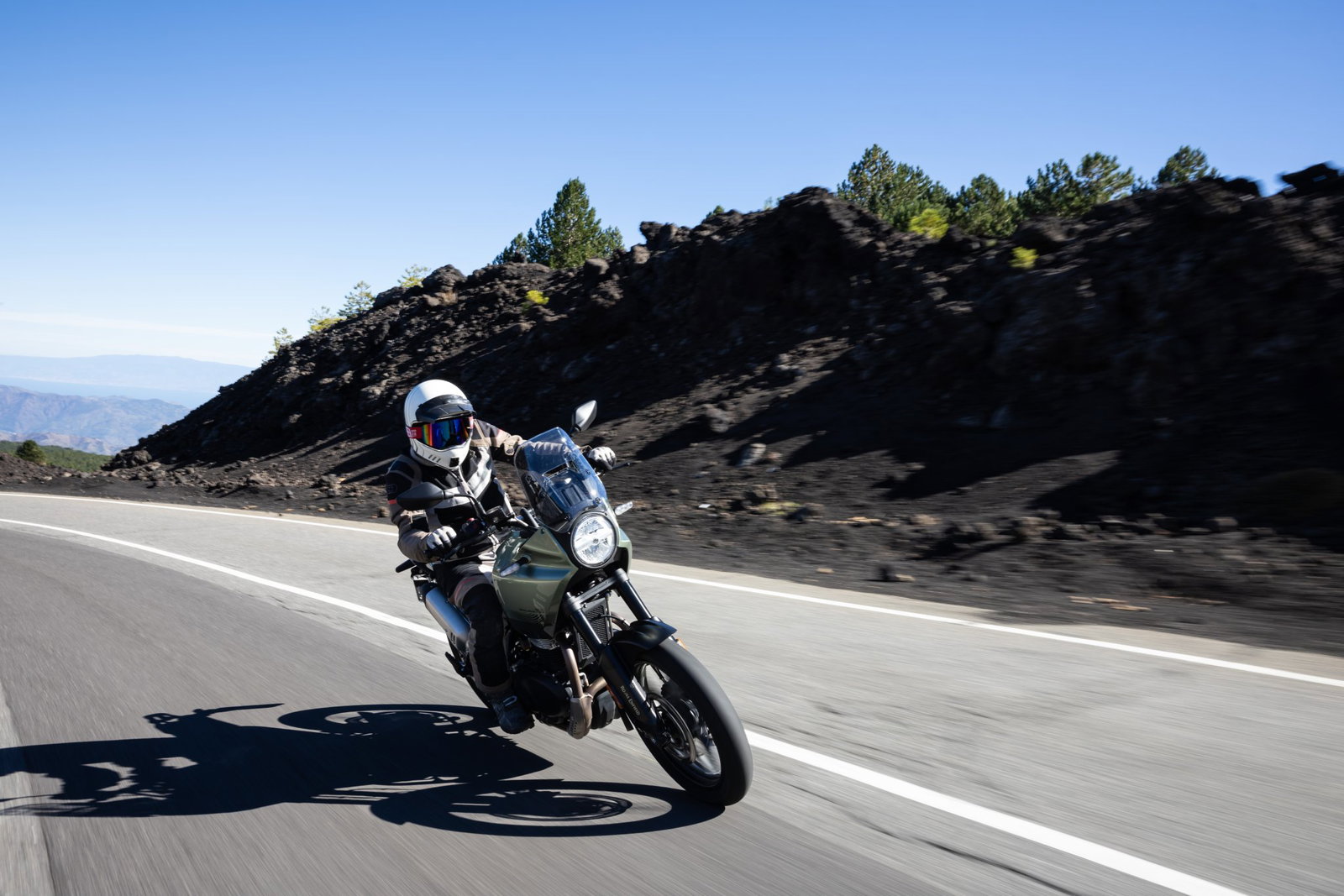
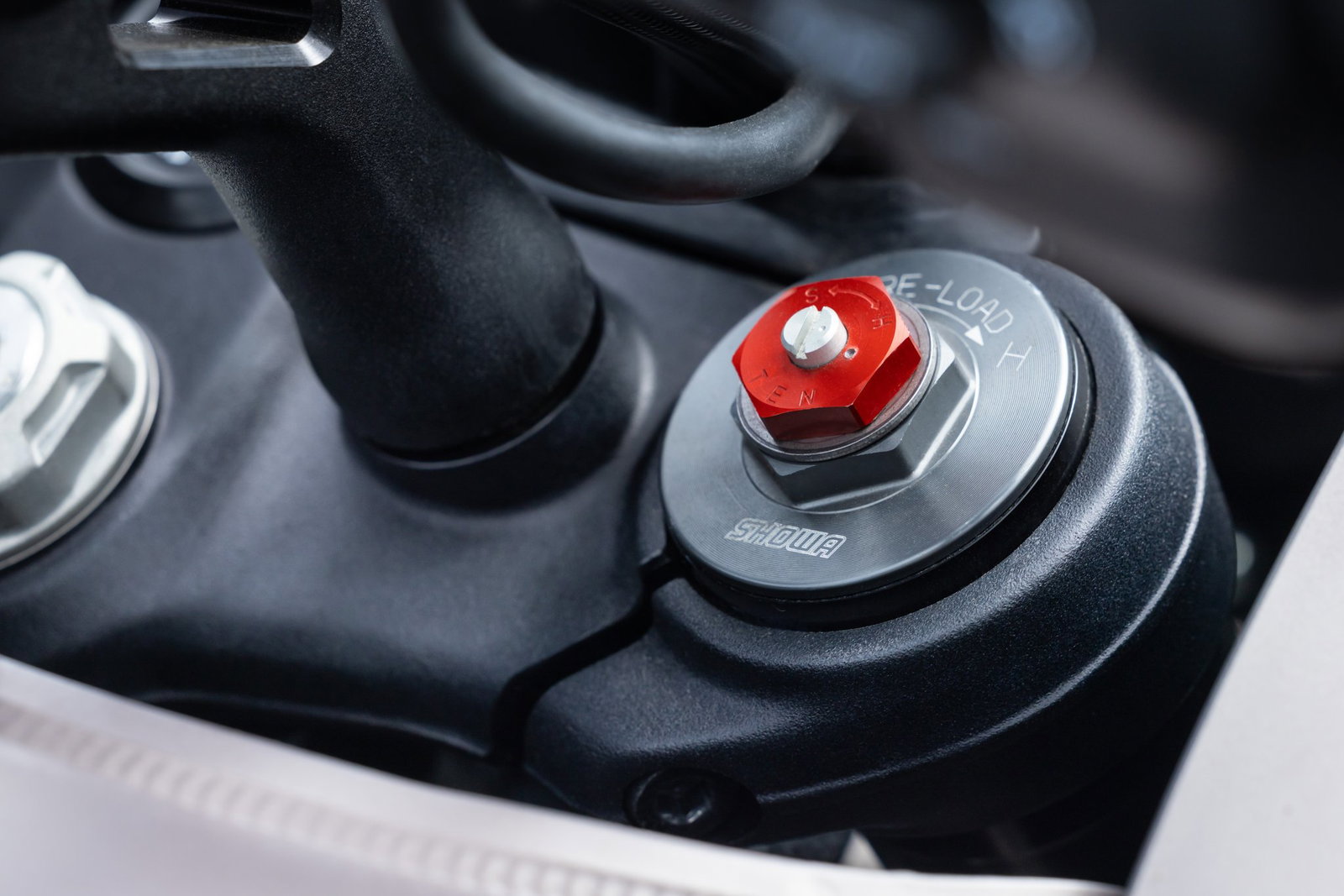
The road manners are among the Himalayan 750’s most convincing qualities. It turns into corners easily, stays composed over bumps and is comfortable in both fast bends and tight hairpins. The adjustable Showa suspension finds a useful compromise between comfort and control. As the pace rises, the chassis develops a more substantial, higher-quality feel without losing the ease expected from a motorcycle designed to leave the tarmac.
The brakes do not quite match the chassis. The front system uses two ByBre two-piston sliding calipers and 280mm discs. Their action is progressive, but initial bite is limited and the overall feel is gentle. With the motorcycle fully loaded and possibly carrying a passenger, the front system could be working close to its limits. The rear brake has better feel and can help tighten the line in a hairpin, but it does not remove the impression that the front end would benefit from more power and feedback.
Predictable when the tarmac ends
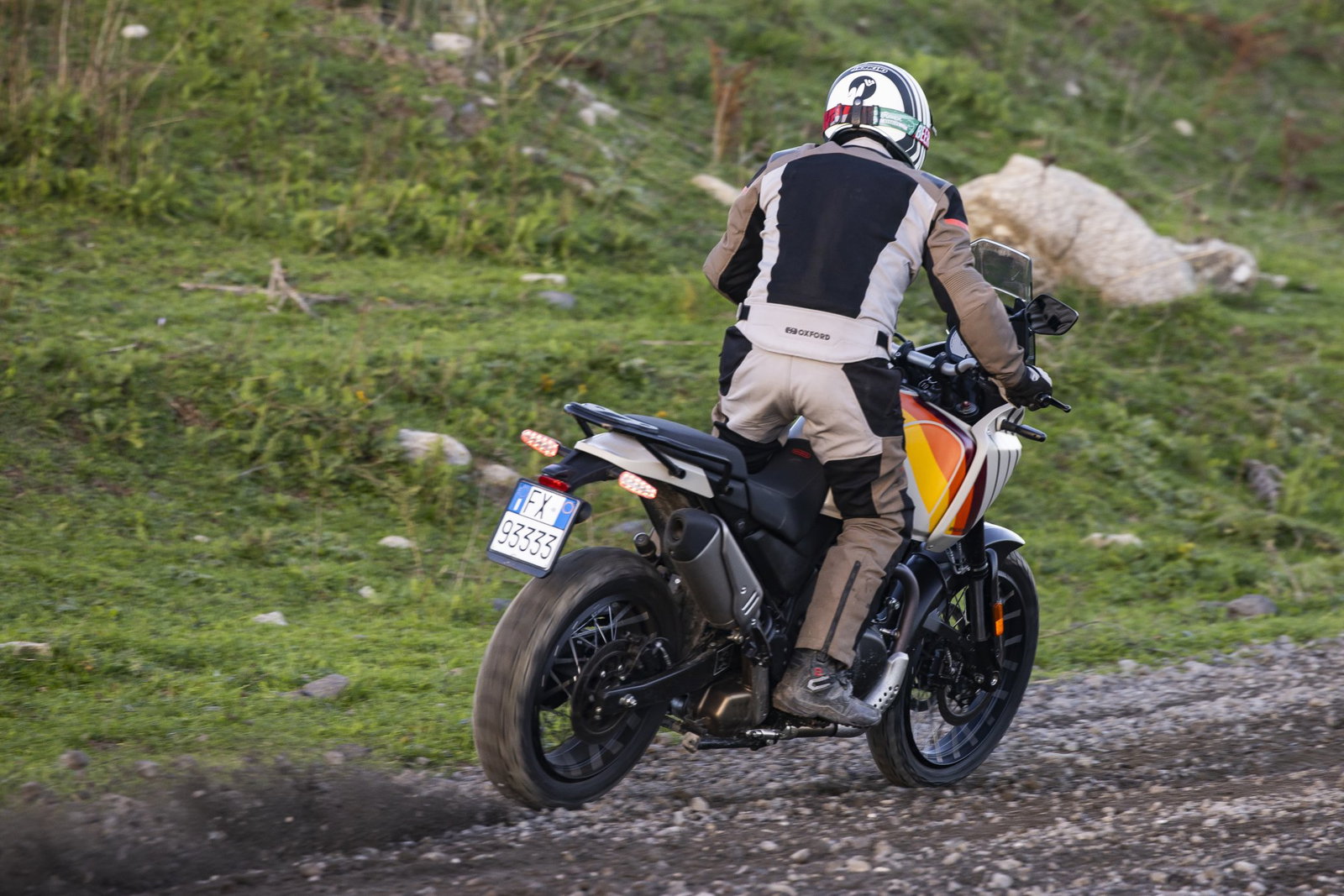
The off-road route included open trails and sections of loose gravel, rockier ruts, small rain-cut gullies, soft mud and sand. The spoked-wheel version retains the cast-wheel model’s 19-inch front and 17-inch rear dimensions, but changes the tyres. CEAT road rubber gives way to Vredestein Centauro XR 80/20 tyres, which provide more grip on dirt. Riders planning frequent off-road use would still be justified in choosing something more focused on loose surfaces.
The Himalayan 750 becomes especially friendly once the rider stands on the pegs. The suspension is plush and the chassis responds gently, without nervous or sudden reactions. Its narrow waist, together with the sensible relationship between the pegs and handlebar, permits a comfortable standing position without folding the rider over the front of the bike. On the tested terrain it remained predictable across gravel, mud and soft sand, and dealt with larger rocks without unnecessary drama.
At a little over 220kg ready to ride, the motorcycle is not light, but the mass is carried low enough to help during slow changes of direction. The engine has enough torque to lighten or move the rear wheel in a controlled way. Trail mode substantially reduces traction-control intervention and allows a measured amount of rear-wheel movement without turning every throttle opening into a risk for a less experienced rider. More experienced riders can switch the system off through the TFT.
The separate rear-ABS switch is another useful detail. It is positioned on the left-hand switchgear, so changing between road and dirt does not require a search through the TFT menus. The motorcycle must be stationary before the setting can be changed. It is a small feature, but an appropriate one for an adventure bike expected to move repeatedly between different surfaces.
Comfort for long-distance riding
The ergonomics are clearly intended for long days. The riding position is relaxed, the footpegs provide room and the seat is plush, supportive and comfortable. Its raised rear section may push shorter riders towards the tank, but the overall position remains easy to live with. Vibration through the handlebar and footpegs is essentially absent, with only the expected rumble from the twin becoming more noticeable as the pace increases.
The windscreen offers 50mm of adjustment and can be moved while riding by pushing it away and pulling it upwards. At its highest setting it creates a quiet pocket of air around the rider, which matters on motorways and long return journeys. Equipment includes a TFT, riding modes, turn-by-turn navigation and an IMU. Royal Enfield has added the functions that support the bike’s use without allowing the electronics to overwhelm its underlying simplicity.
The Himalayan 750’s real strength is this balance. It does not try to become the most powerful adventure bike in its class, and it does not depend on a long list of electronic features to justify its larger capacity. It takes the approachable character of the Himalayan 411 and 450 and combines it with more performance, greater comfort and increased composure on the road. Its road ability does not erase its usefulness on dirt, while its predictable trail behaviour does not make the tarmac sections feel like an unavoidable compromise.
There is room for improvement. The front brake would benefit from more bite, and riders planning frequent off-road journeys will need to think carefully about their tyre choice. Those are compromises to weigh against the bike’s broad range of abilities. The Himalayan 750 is strong enough to travel further, calm enough for everyday use and friendly enough to continue when the road becomes a trail. That combination of touring ability and approachable behaviour is what gives the larger Himalayan a purpose beyond simply being a more powerful alternative to the 450.
THE STORY IN PHOTOS
8 photos
THE EVIDENCE BEHIND THE STORY
Sources
Spotted something that needs correcting? Contact the editorial team