
MXGP 26 rebuilds its motocross with changing terrain and revised physics
Artefacts Studio gives MXGP 26 a more convincing riding model and dynamic track deformation, but the absence of a true career mode limits its long-term appeal.

4 min read
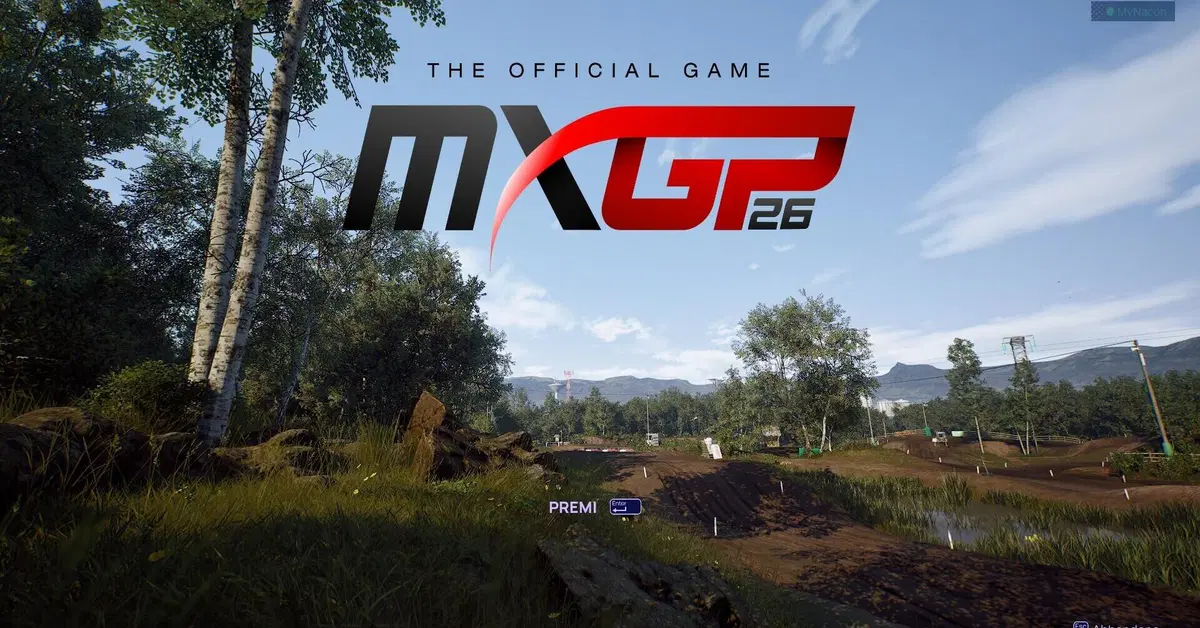
MXGP 26 is a deliberate reset for Artefacts Studio’s licensed motocross series. After the disappointing MXGP 24, whose physics drew criticism, the studio spent two years rebuilding the game around its core riding experience. The result is not a minor annual refresh: the motorcycle behaviour has been reworked, and the circuits now change during a race through dynamic terrain deformation. Those two elements give the new edition a much firmer foundation, even though the surrounding single-player structure remains incomplete.
The circuit no longer stays the same
The most consequential addition is the way the surface evolves from lap to lap. Ruts, hollows and alternative lines form as the race progresses, altering how the track can be approached. A line that looks fastest during the opening lap may later become a trap, while a previously unattractive section can gain value as the ground changes. This forces players to read the circuit continuously and make decisions from its current condition instead of simply repeating a memorised route. It adds a strategic layer that is particularly appropriate for motocross, where the surface is part of the challenge rather than a fixed backdrop.
The official licence supplies the 19 circuits from the 2026 season, along with the riders, teams and motorcycles of the MXGP and MX2 classes. For presentation, MXGP 26 moves to Unreal Engine 5. The upgrade is visible in the more detailed tracks, convincing weather effects and credible lighting, while the surfaces communicate the muddy and unpredictable character of the discipline more effectively. Performance is strong in FHD, with high frame rates, making the technical overhaul one of the game’s clearer strengths.
A heavier, more demanding motorcycle
The revised physics give the bikes a more believable sense of mass. Throttle control, braking and weight transfer all require more deliberate inputs, and the game expects the player to understand how the rider’s weight affects the motorcycle. Scrubs, whips and jumps can reward that understanding, but they are not techniques that can be treated as decoration. The terrain has to be read before take-off, and the bike must be controlled properly while airborne. That makes the riding deeper and more distinctive than the typical road-racing game, although it also creates a steeper learning curve for newcomers.
The improvement is not entirely free of rough edges. Some reactions remain abrupt or difficult to predict, and certain crashes do not always feel fully explained by what the motorcycle appeared to do. Riding aids soften the initial experience and make MXGP 26 more approachable for less experienced players, but the tutorials do not provide enough guidance. Many fundamental techniques must be learned through repeated attempts, particularly by players arriving from conventional asphalt racing games. Motocross enthusiasts are likely to appreciate the added depth; others may need a considerable adjustment period before the controls become intuitive.
Official content, but no full career
Away from the track, the game includes the main competitive formats: Championship, Grand Prix, Time Trial and online multiplayer. Rider and motorcycle customisation add some personalisation, but the single-player offering does not include a genuine Career mode. There is no broader structure built around sponsors, season-by-season progression, team management and rider development. That omission is important because it removes the clearest route for creating a long-term sporting journey, especially for players who want more than individual events and championships.
MXGP 26 therefore feels more like a strong restart than a finished destination. The changing ground gives each race a less predictable rhythm, while the revised physics make the motorcycle more substantial and technically rewarding. Unreal Engine 5 also brings a clear visual step forward, and the complete 2026 licence gives the game a solid official content base. Against that, the uneven physical reactions, shallow tutorials and limited single-player framework keep it from feeling fully mature.
Artefacts Studio has nevertheless established a more credible direction for the series. The game does not revolutionise motocross racing, but it makes meaningful progress over its predecessor and better captures the discipline’s dependence on terrain, balance and technique. MXGP 26 is available on Xbox and PlayStation from €59.99, while the Steam edition is priced at €49.99.
THE EVIDENCE BEHIND THE STORY
Sources
Spotted something that needs correcting? Contact the editorial team