
England plans nearly 7,000 miles of road resurfacing in 2026
More resurfacing and preventative maintenance are planned, but riders will judge the programme by the grip, consistency and durability of the finished roads.

3 min read
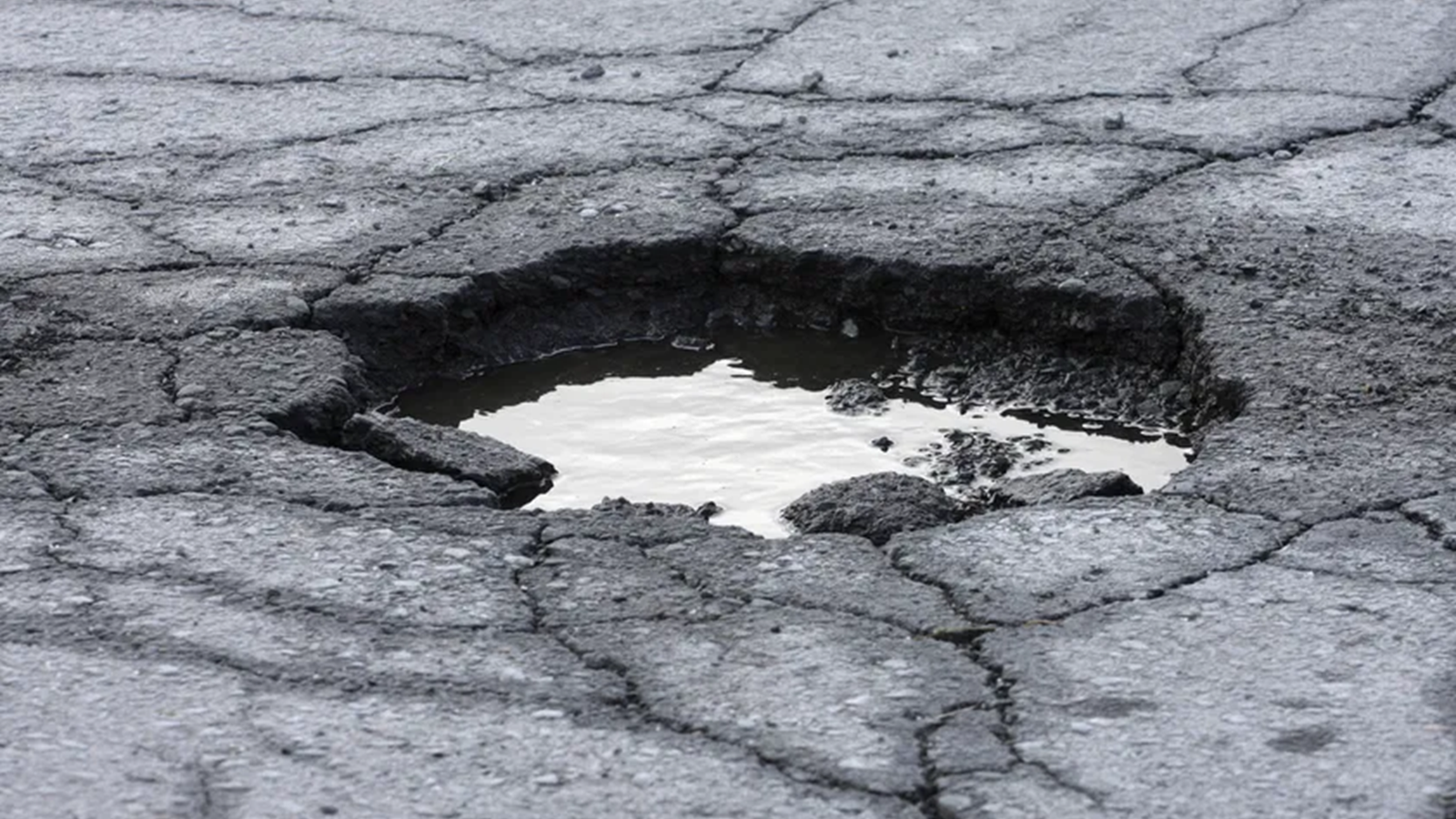
Nearly 7,000 miles of road across England are due to be resurfaced during 2026, according to figures published by the Department for Transport on 21 October. The planned total is 10 per cent higher than the previous year and forms part of a wider increase in road-maintenance spending by local authorities.
Local authorities are expected to spend £4.9 billion on road maintenance this year. That is £800 million more than during the period before the current government came to power. A further £220 million in incentive-based funding has also been made available to councils that meet performance targets, with additional money dependent on councils satisfying further requirements.
The figures are being presented alongside a £7.3 billion road-maintenance funding package. The government estimates that the programme could help the average driver avoid almost £600 in vehicle-damage costs. That is a projected average benefit rather than a guaranteed saving, and the effect will not necessarily be the same for a motorcyclist as for someone travelling by car.
More work before roads deteriorate
One of the more significant changes for riders is the planned increase in preventative maintenance. The Department for Transport says 94 per cent of councils will carry out preventative roadworks in 2026, compared with 76 per cent last year.
The approach is intended to address deterioration before it develops into a more expensive repair or a serious road defect. In practical terms, that means treating a section of road before repeated patching becomes necessary after potholes have already appeared. Preventative work should help create a more consistent network, provided the repairs are carried out properly and remain effective over time.
The government is also pointing to separate figures covering the year ending in March 2026. It says local-road conditions improved during that period, with fewer minor roads requiring maintenance after work carried out in the previous year. Transport Secretary Heidi Alexander said the country was beginning to turn a corner on its pothole problem, while recognising that substantial work still remains.
Why resurfacing quality matters to motorcyclists
For riders, the mileage total is only one part of the picture. A resurfaced road can still present problems if it has loose chippings, uneven joins, degraded edges or poorly reinstated utility trenches. Each can affect grip, stability and the way a motorcycle responds, particularly when conditions change or a rider needs to alter line quickly.
That is why the programme should be judged on more than the number of miles treated. The important questions for motorcyclists are whether dangerous defects are reduced, whether repairs last and whether the finished surface provides a predictable level of grip. A council may count maintenance work as completed, but the result still needs to be suitable for the people using the road on two wheels.
The extra funding and higher resurfacing target are positive steps if they produce roads that remain in good condition. The performance-linked £220 million also gives the programme a clearer connection between funding and what councils are expected to deliver. Ultimately, however, the value of the plan will be measured in everyday riding: fewer damaging defects, more consistent surfaces and repairs that do not quickly become another hazard.
THE EVIDENCE BEHIND THE STORY
Sources
Spotted something that needs correcting? Contact the editorial team ↗