
Marc Márquez: 10 stories behind the eight-time MotoGP champion
From a first race with training wheels to 15 kilograms of ballast, these details reveal the less familiar side of Márquez’s rise.

6 min read
Marc Márquez has collected 10 world titles, including 8 in MotoGP, but his route to the top did not begin with victories. His first racing chapter came at the age of 4, in a MiniEnduro event where he rode with training wheels and finished last. Between that start and the 10th championship linked to his result at Portimão, his story has included financial pressure, family decisions, unusual routines and a number of details that do not appear in a results table.
These ten episodes do not alter Márquez’s image as one of the leading riders of his era. They add context to it: a child who needed an age-limit exception to start racing, a teenager who was already reaching 200 km/h but still needed help with his helmet, and a champion who remains distinctly uncomfortable with what may be hidden below the surface of the sea.
1. His first race involved training wheels
Márquez’s first competition came when he was 4, in a MiniEnduro race. The stated minimum age was 5, but the organisers allowed him to take part because his father was helping as a volunteer at the motorcycle club. Young Marc still needed training wheels and finished at the back of the field.
The revealing part of the story is not the result but his reaction to it. His father suggested stopping before the finish, yet Márquez insisted on completing the race. His first racing memory was therefore not a win or a podium, but the decision to continue despite being clearly outmatched by age and equipment.
2. 200 km/h, but no way to fasten the helmet
In 2005, aged 12, Márquez was riding a 125cc racing motorcycle and reaching approximately 200 km/h. The speed was already remarkable for his age, but his preparation still included a basic task he could not handle alone. Before getting on the bike, he needed his father, Julia, to help fasten his helmet.
3. The help that kept speed racing possible
In Márquez’s early years, remaining in road racing was not an automatic option for the family. After he competed in the Copa Conti, the businessman brothers Rojas from Mataró offered him a place in their team. Their proposal included covering the expenses, making the next step possible without leaving the entire financial burden with the family.
The timing mattered. Márquez has recalled that the family was struggling to fund his progression and that a move to motocross was being considered because it cost considerably less. The Rojas brothers, owners of a textile business and motorcycle enthusiasts, wanted to give a promising child an opportunity they had not been able to pursue themselves when they were young. Their support removed a major financial obstacle from Márquez’s path in road racing.
4. Turco, chosen with help from ChatGPT
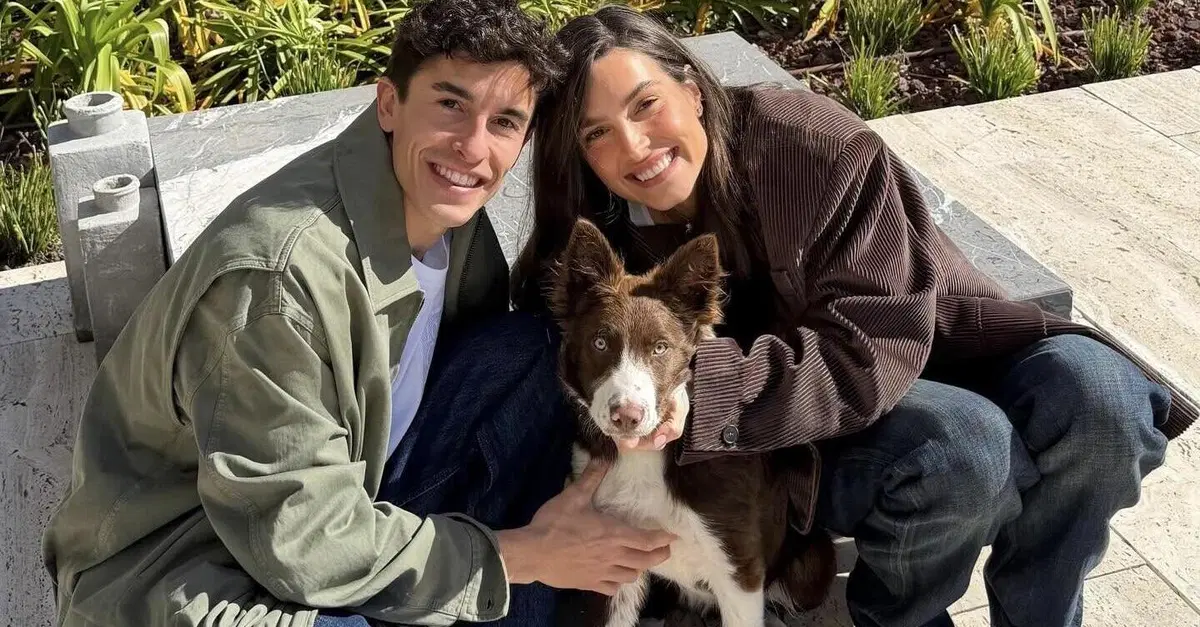
In February 2026, Marc Márquez and Gemma Pinto added a dog to their household. The puppy, named Turco, was adopted through Madrid’s Patrulla Canina association. The name was not chosen in the usual way: the couple were considering two options and asked ChatGPT to help make the final decision.
Turco was selected because the name was judged to sound stronger and to have more personality. The adoption followed Alex Márquez’s move to a new home, which left Marc and Gemma on their own and encouraged them to expand the family with a dog.
5. Darts after training
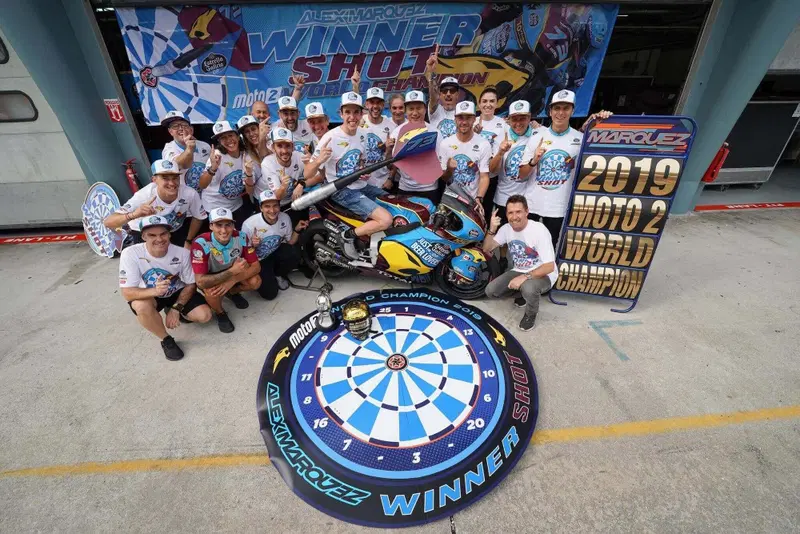
Marc and Alex Márquez shared more than a racing background. After gym sessions, the brothers used to play darts with members of their working group. The pastime later gained a competitive connection when Alex won the 2019 Moto2 title and celebrated with a dartboard and darts, echoing the game he had shared with his older brother.
6. Ramon and the significance of 93
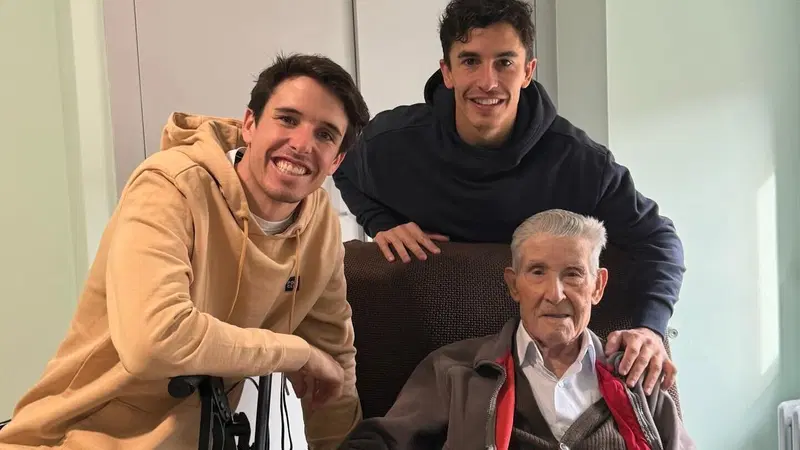
The number 93 is associated with Marc Márquez, but it also took on a special meaning for his grandfather Ramon. Ramon died in 2024 aged 92 and wanted to reach 93 because that was the number used by his grandson. A racing number had therefore become part of the family’s private language as well as Marc’s public identity.
Ramon would visit Marc and Alex before and after every Grand Prix. He spoke openly about their strategy and about the way he had viewed their race weekend, without softening his opinion. The two riders were given a very personal assessment away from the formal statements and controlled language of the paddock.
7. Choosing football or motorcycles
At about 8 years old, Márquez also had a serious interest in football. He passed a trial for the Cervera team and wanted to play alongside his friends. There was one practical problem: football matches took place on the same day as motorcycle races. His father made him choose, and the answer came immediately: motorcycles.
The decision did not end his interest in football. Márquez remains a Barcelona supporter and an admirer of Lionel Messi. He still occasionally plays with friends, although he pays closer attention to the risk of an injury that could affect his racing activity.
8. Fruit smoothie and 15 kilograms of ballast
Physical development was another issue during Márquez’s childhood. He has described drinking 1.5 litres of fruit smoothie every day after receiving medical advice intended to help him grow. His small size also affected his racing equipment: he had to carry 15 kilograms of ballast on the motorcycle to meet the minimum weight required by the regulations.
9. Fear of deep water
A rider accustomed to extreme speeds has admitted that deep water still frightens him. The problem is not only the depth itself, but the inability to see what might be below the surface. Darkness makes the unknown more unsettling, giving Márquez a very specific fear that has nothing to do with speed or competition.
10. The taxi driver who did not recognise him
In November 2025, Márquez and Gemma Pinto were travelling to a Cadena SER studio in Madrid for an interview. The taxi driver did not recognise him and assumed that he worked for the radio station. Rather than correct the misunderstanding, Márquez decided to keep the joke going and presented himself as an employee of Cadena SER.
Gemma tried to persuade him to reveal who he was, but he refused. The driver began to suspect the rider’s identity near the end of the journey, while the actual reveal came later during a radio programme, when presenter Manu Carreño called the taxi driver. It is a small story, but a fitting final detail for a champion with 10 titles who still leaves room for humour and apparently ordinary habits.
THE STORY IN PHOTOS
3 photos
THE EVIDENCE BEHIND THE STORY
Sources
Spotted something that needs correcting? Contact the editorial team