
Chico Lorenzo: Márquez’s greatness was forged by rivals and setbacks
The former champion’s father and coach links Marc Márquez’s record chase to the strength of his rivals, five years of injuries and a 37-race wait for his first 125cc win.

4 min read
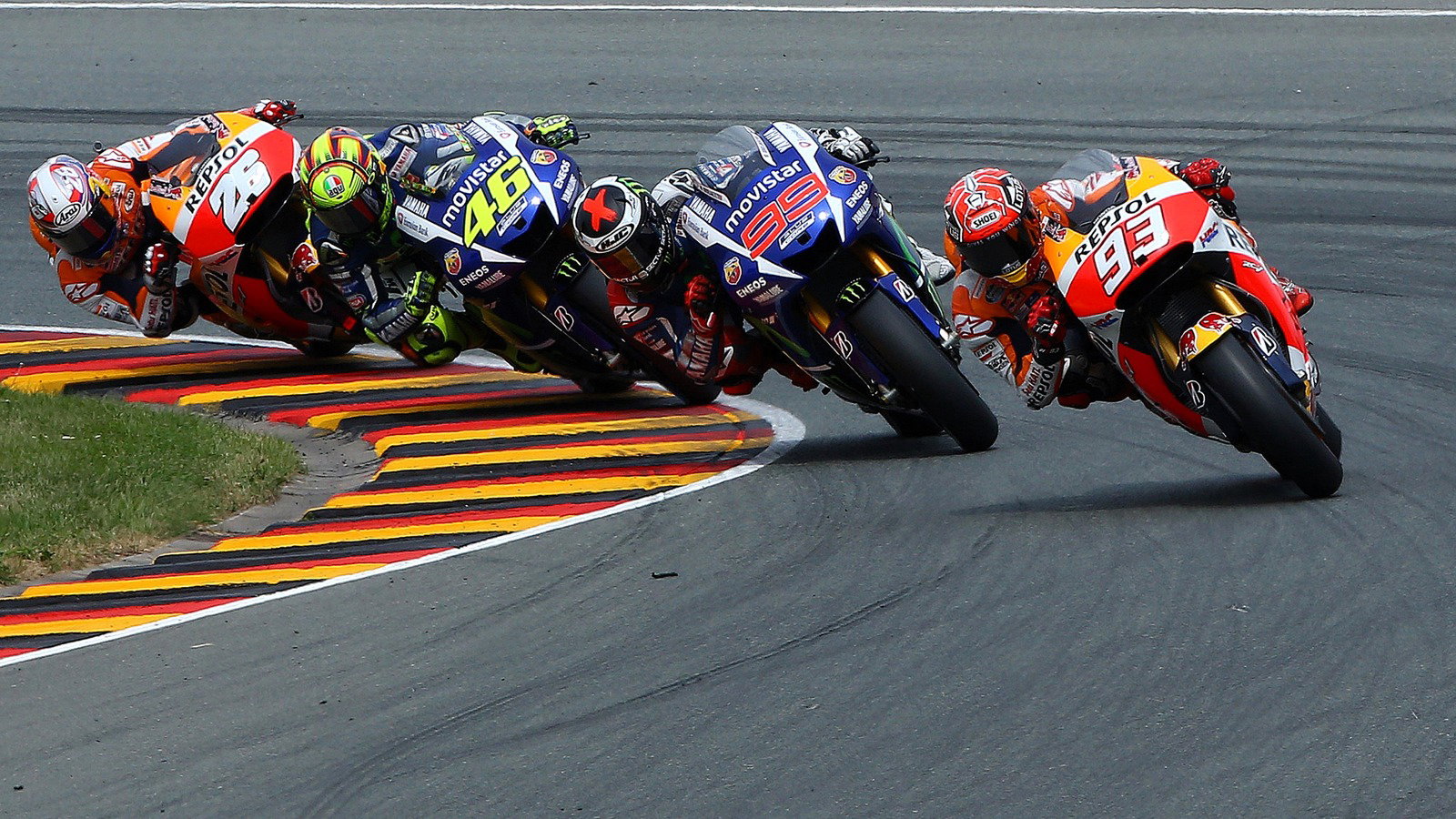
Marc Márquez is on the brink of an eighth premier-class world title, but Chico Lorenzo believes the numbers alone do not explain his standing in MotoGP history. Jorge Lorenzo’s father and coach argues that a rider’s stature is also shaped by the quality of the opposition encountered along the way. In Márquez’s case, that opposition included Valentino Rossi, Jorge Lorenzo and Dani Pedrosa, three of the era’s defining riders.
Speaking on the Fast & Curious podcast, Chico Lorenzo—who continues to run a riding school—used Rossi’s career to explain why statistics must be viewed in context. He pointed to the period after Mick Doohan’s five-year run of titles. Doohan began that sequence at 29 and finished his career at 34, while Crivillé and Kenny Roberts Jr. won titles in the seasons that followed. Rossi then arrived and, in Lorenzo’s view, faced rivals who had been worn down during Doohan’s dominance.
Lorenzo’s comparison centres on Rossi’s changing numbers. By 2009, Rossi had won about half of the races he had entered. Had he stopped then, Lorenzo says, the Italian would already have set an exceptionally high benchmark. Rossi continued for another 12 years, however, and won 12 races during that period—roughly one per season. The point is not to diminish Rossi’s achievements, but to show how much the competitive landscape can influence a rider’s statistics.
The rivals who followed Rossi
The generation around Rossi became stronger as Pedrosa, Casey Stoner and Jorge Lorenzo established themselves. Pedrosa began winning races, Stoner went on to claim two titles, and Jorge Lorenzo won three. Márquez did not race against Stoner, but Chico Lorenzo places him among the same group of four numerical standouts. Márquez eventually beat the other three, although some were at different stages of their careers: Rossi was affected by age, while Jorge Lorenzo was still present and Pedrosa remained a particularly strong competitor.
Márquez entered the premier class with immediate impact, becoming its youngest champion. Chico Lorenzo also credits the Spaniard’s character, appetite for competition and work ethic alongside his speed. That combination produced extraordinary results while Márquez was fighting three riders whom Lorenzo describes as among the best in motorcycle-racing history.
The later part of Márquez’s career adds another dimension to the argument. Career-changing arm injuries at Jerez in 2020 were followed by his departure from Honda for Ducati. He ended a 1,000-day winless run in 2024 on a satellite Gresini machine, then ended a five-year wait for another world title with the factory Ducati team in 2025.
For Chico Lorenzo, the comeback during the 2026 season is even more exceptional. Márquez turned a 102-point deficit into a 60-point lead while also returning from further shoulder surgery. Lorenzo called that reversal historic, pairing the size of the points swing with the physical demands of another recovery. Márquez’s first of four remaining opportunities to secure the season’s MotoGP title is scheduled for the Portimão Sprint on 21 November.
Why the 37-race wait mattered
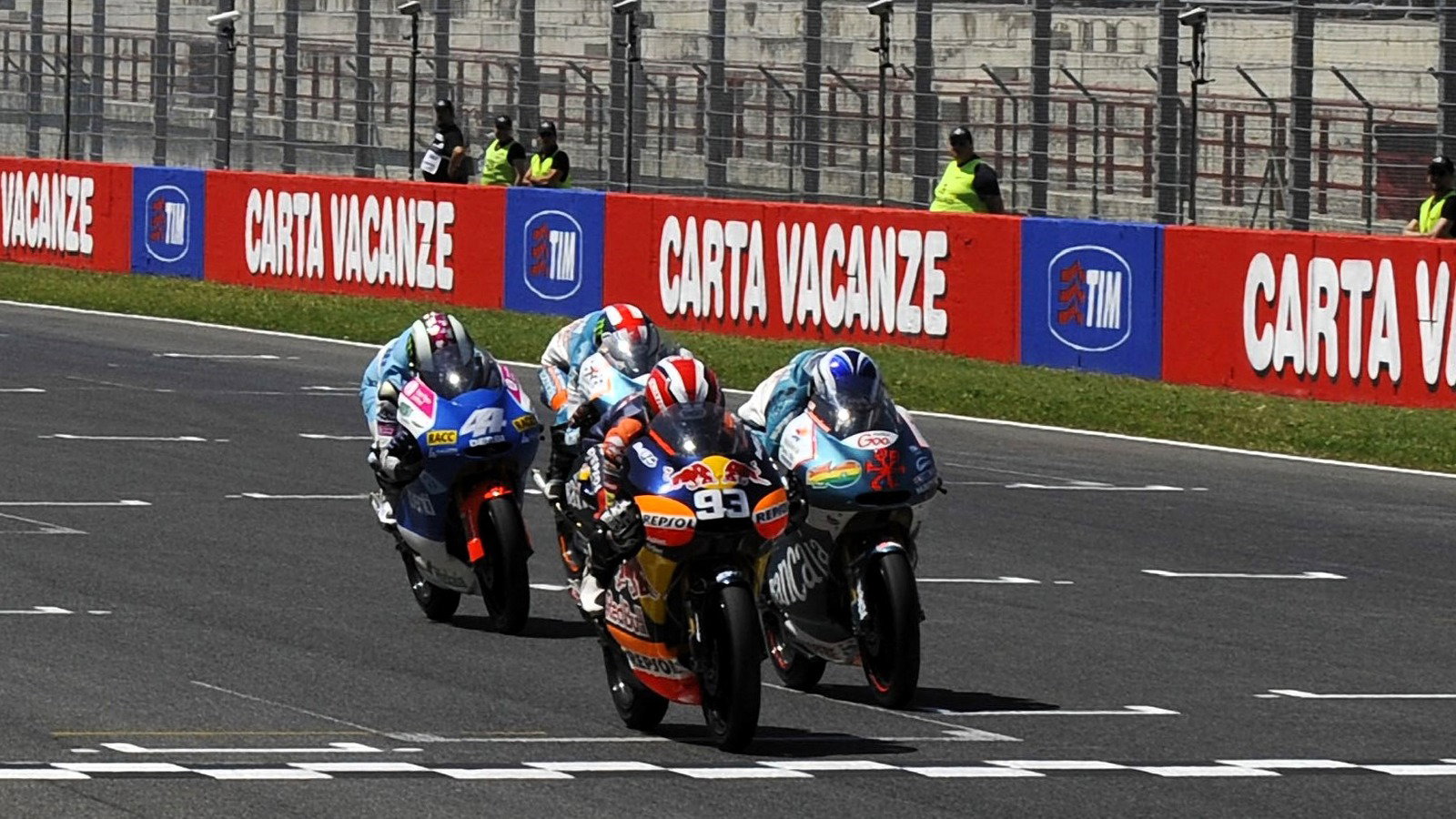
Chico Lorenzo also sees evidence of Márquez’s character in the beginning of his world championship career. Márquez needed 37 races to take his first 125cc victory, a delay that extended into his third world championship season. Lorenzo contrasted that path with Romano Fenati, who reached the podium in his debut and won in his second race, and Maverick Viñales, who won by his fourth. Those fast starts demonstrated talent, but Lorenzo’s argument is that talent alone does not explain what followed.
In Lorenzo’s view, Márquez’s machinery cannot by itself explain the long wait. Across 37 races, he believed the Spaniard would inevitably have had at least one opportunity when circumstances aligned. Instead, repeated near-misses kept Márquez looking for what was missing. Lorenzo had already watched him stand out in the Spanish championship and says it was clear throughout that sequence that he would eventually succeed.
The breakthrough changed the pattern completely: Márquez won 10 races in the same season as his first 125cc victory. Lorenzo’s explanation is that the accumulated experience had allowed Márquez to develop until he was no longer merely close to the required level. Once every element came together, he was able to convert the lessons of those 37 races into a sustained advantage.
That is why Lorenzo places character above talent in Márquez’s story. He points to five years marked by injuries and multiple surgeries, including the severe loss of muscle shown in a gym photograph, and argues that very few riders could have endured such a period while continuing to pursue a return to the front. For Lorenzo, Márquez’s ability to keep searching rather than accept repeated failure is central to the case for his greatness.
THE STORY IN PHOTOS
3 photos
THE EVIDENCE BEHIND THE STORY
Sources
Spotted something that needs correcting? Contact the editorial team