
Motorcycling generated €35.1 billion across Europe in 2024
The sector supported 481,600 jobs and produced €20.6 billion in tax revenue across the EU and UK, according to an Oxford Economics study commissioned by ACEM.

2 min read
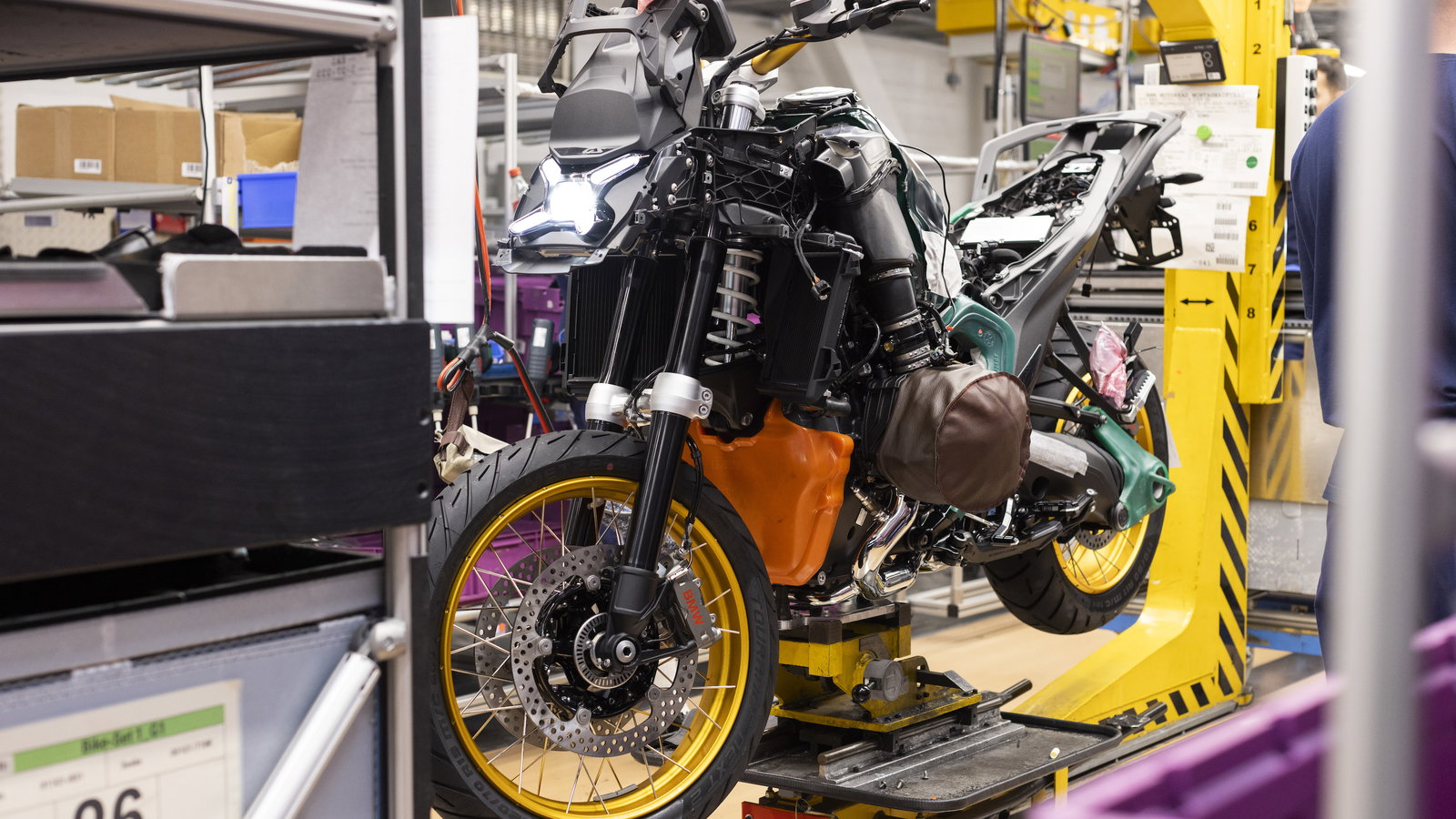
Motorcycling and the activities built around it added €35.1 billion to the economies of the European Union and the UK during 2024. The figure comes from an Oxford Economics study commissioned by ACEM, the Association of the European Motorcycle Industry, and presented in Milan during the annual EICMA trade and press event.
The study calculates that the sector supported approximately 481,600 jobs and generated €20.6 billion in tax revenue. Its largest component was the so-called core industry: motorcycle and component manufacturing, sales and repairs. That part of the sector contributed €26.7 billion in GDP and supported 356,000 jobs.
Motorcycle riding equipment added a further €5.7 billion and 89,000 jobs. Motorsport, trade fairs and other events accounted for €2.7 billion and 36,000 jobs. Italy and Germany each represented 23% of the spending measured by the study, while the UK accounted for 9% and Spain for 7%.
The figures are described as conservative because the calculation excludes motorcycle tourism, rider training and insurance. The wider contribution of motorcycles to urban life is also highlighted through their potential to reduce congestion and ease parking pressure.
Economic weight, but a tougher trade picture
The positive economic picture sits alongside a worsening trade deficit. In 2025, the deficit nearly doubled, with imports reaching €3.9 billion—almost €2 billion more than exports. Mariano Roman of ANCMA, the Italian motorcycle industry association, cautioned that higher registration numbers do not automatically result in greater production or profitability.
ACEM is therefore calling for motorcycles to be fully integrated into urban-mobility planning, alongside fair and reciprocal access to global markets. It also wants conditions that allow manufacturers to continue investing in Europe. The findings present motorcycling as a substantial economic activity, while also underlining that registrations alone are not a complete measure of industrial strength.
THE STORY IN PHOTOS
2 photos

THE EVIDENCE BEHIND THE STORY
Sources
Spotted something that needs correcting? Contact the editorial team