
Motorcycles and scooters generated €35.1bn for Europe in 2024
A study covering the EU and UK places the sector’s contribution across GDP, employment, tax revenue, trade and urban mobility.

6 min read
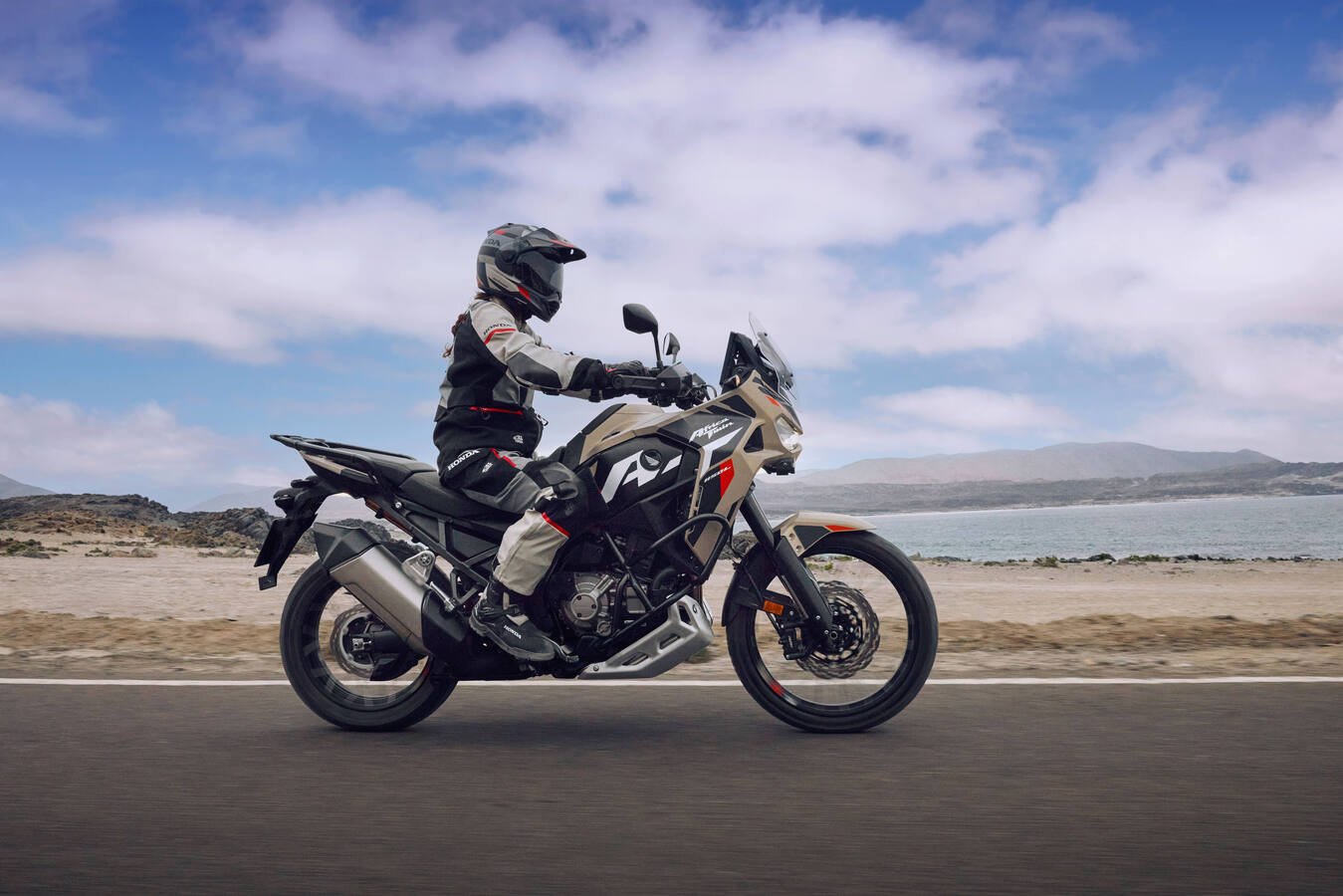
Motorcycles and scooters contributed €35.1 billion to the combined gross domestic product of the European Union and the United Kingdom in 2024. The sector also supported 481,600 jobs and generated €20.6 billion in tax revenue, underlining that its economic footprint extends well beyond the manufacture and sale of finished two-wheelers.
Those figures were presented during “Motonomics: Industrial Realities and Policy Horizons”, a conference organised by ACEM and Confindustria ANCMA at EICMA. The event brought together the industry’s economic impact, its role in everyday transport and the policy choices that could influence European competitiveness. Fabrizio Casellato, director of Confindustria ANCMA, opened the conference, while Markus Flasch, ACEM president and chief executive of BMW Motorrad, offered an initial presentation of the sector’s “Vision 2035+”.
The vision puts competitiveness at its centre and is scheduled for a formal presentation in early 2027. In his keynote address, European Parliament member Pierfrancesco Maran, chair of its Environment Committee, highlighted the contribution of powered two-wheelers to cities and argued for industrial policies that support production in Europe without weakening its ability to compete.
A value chain that reaches beyond manufacturing
The core of the sector—manufacturing, selling and repairing motorcycles, scooters and their components—accounted for €26.7 billion of GDP and supported 356,700 jobs. Helmets, riding apparel and protective equipment added €5.7 billion and almost 89,000 jobs. Racing, trade fairs and brand events contributed a further €2.7 billion and 36,000 jobs.
Of the total 481,600 jobs, 208,900 were direct positions within the sector, covering activity from factories to dealers and workshops. Direct activity produced €10.6 billion in GDP. For every €1 of direct GDP contribution, another €2.30 was supported elsewhere in the economy, while each job in the sector supported a further 1.3 jobs in other industries. In manufacturing, sales and repair, suppliers accounted for 46% of the value supported by the activity.
The geographical distribution also shows where the contribution is concentrated. Italy and Germany each represented 23% of the total, followed by France with 13%, the United Kingdom with 9%, Spain with 7% and Austria with 5%. The quantified contribution does not include motorcycle tourism, rider training, insurance or distribution services, while the study separately notes that motorcycle tourism adds income for hospitality businesses, particularly in rural areas.
Exports rose in importance before the trade gap widened
Around half of the EU’s production of motorcycles, scooters and parts was exported in 2024, up from 43% in 2019. EU exports were worth €2.5 billion, against imports of €3.5 billion, producing a trade deficit of approximately €1.0 billion. The United States was the largest export market, with exports valued at €761 million.
Trade conditions became more difficult in the following year. An updated ACEM analysis covering 2025 records a 22% fall in exports, to €2.0 billion, alongside a 12% increase in imports, to €3.9 billion. The resulting deficit reached €1.9 billion. The same discussion pointed to tariffs imposed by China, India and Thailand that remained considerably higher than those applied by the EU and were often non-reciprocal.
That change makes access to international markets, reciprocal trading conditions and the ability to keep investing in Europe central questions for the industry. Antonio Perlot, ACEM’s secretary general, said the figures show a sector worth €35 billion, supporting almost half a million jobs and delivering practical benefits for urban transport. He also called for fair and reciprocal access to global markets, full integration of motorcycles into urban-mobility planning and conditions that allow European manufacturers to continue investing.
The urban case for two-wheelers
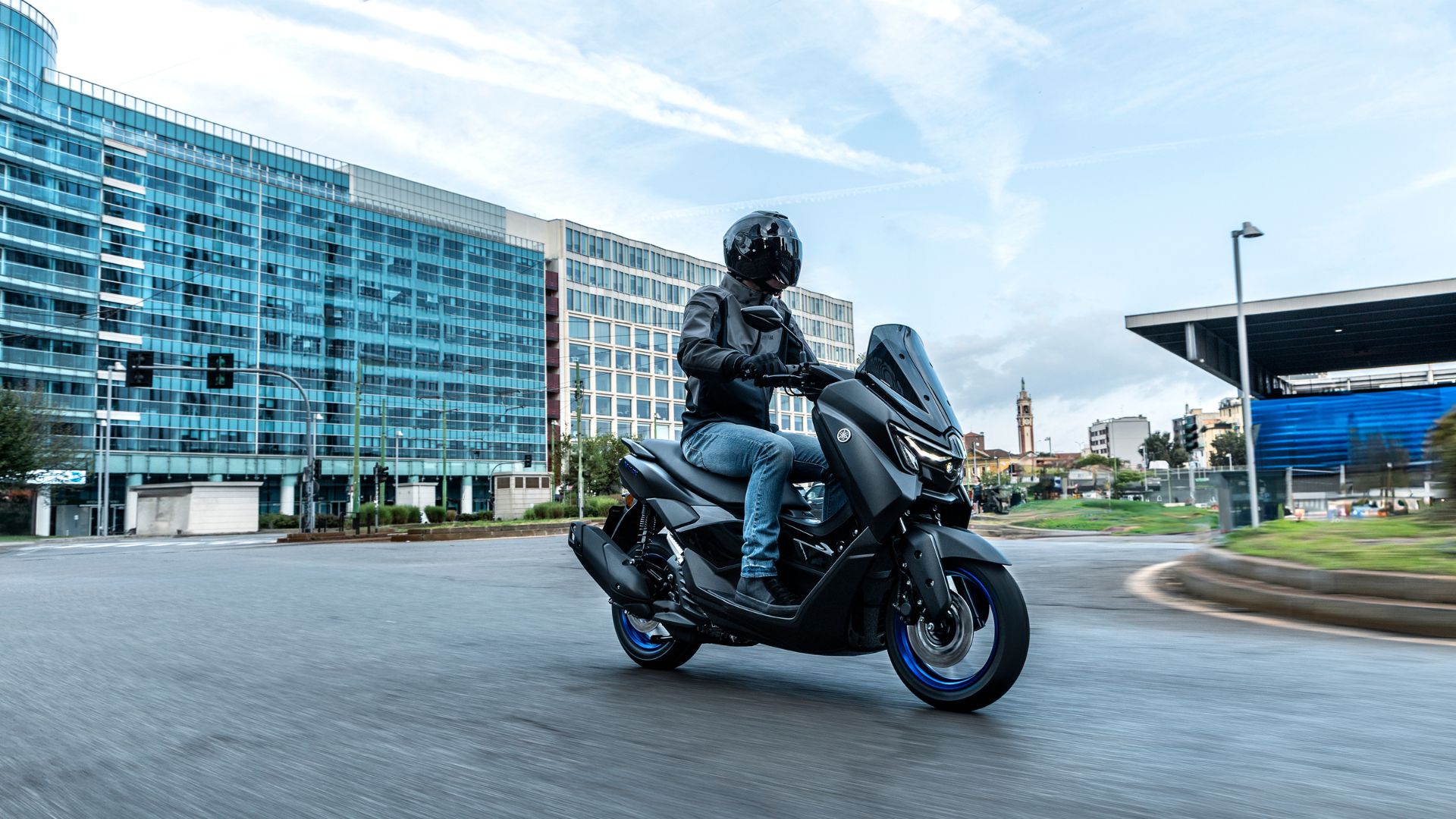
There are 42 million motorcycles and scooters on Europe’s roads, representing 11% of the motorised fleet. Some 6.4 million people use them for daily journeys to work. These trips are one-third shorter than comparable car journeys and save each rider approximately €580 per year.
The difference is also clear in the amount of urban space required. A motorcycle or scooter needs 2.9 square metres for parking, compared with 11.5 square metres for a car. On that comparison, four two-wheelers can fit within the space required by one car. Existing daily motorcycle and scooter commuting is also associated with avoiding approximately 2.4 million tonnes of CO₂ emissions each year compared with car use.
The study models what could happen if 5% of people who currently commute by car switched to a motorcycle or scooter. The scenario would save 28 million commuting days of travel time annually, valued at €8.6 billion, and reduce operating costs by €3.9 billion. It would also avoid 2.6 million tonnes of CO₂ emissions and release 124 square kilometres of parking space—an area equivalent to more than 17,000 football pitches.
A separate example from a heavily congested Belgian motorway indicates that a 10% shift towards two-wheelers could reduce traffic-related delays by up to 40%, benefiting all road users. The figures present motorcycles and scooters not only as an industrial sector, but also as a transport option with measurable effects on journey time, household costs, emissions and the use of city space.
Sport, events and the next policy debate
The sector’s reach also includes leisure and competition. More than 5 million spectators attended major motorcycle sporting events in 2024, while sporting and promotional events contributed €2.7 billion to GDP. Motorcycle tourism supports hospitality businesses, especially in rural areas, although it was not quantified within the study’s economic total.
The conference concluded with a round-table discussion on competitiveness, trade and the future of the sector. Mariano Roman, president of Confindustria ANCMA, said the figures demonstrate an industry that creates jobs, develops skills and promotes innovation, with Italy holding a leading position in Europe. He described EICMA as an international reference point where the industry meets markets, the public and institutions.
Roman also stressed that higher registration numbers do not automatically translate into higher production or profitability. In his view, continued investment and innovation in Europe require clear and proportionate rules, reciprocal trade and full recognition of two-wheelers in mobility policy. Together with the trade figures and the urban-mobility modelling, that argument defines the wider significance of the €35.1 billion contribution: the sector’s future depends as much on industrial and transport policy as on demand for motorcycles and scooters.
THE STORY IN PHOTOS
8 photos

THE EVIDENCE BEHIND THE STORY
Sources
Spotted something that needs correcting? Contact the editorial team