
West Midlands AI cameras flag 1,920 potential phone offences
A two-week trial in Birmingham and Wolverhampton recorded thousands of suspected mobile-phone offences, underlining a daily danger for motorcyclists.

3 min read
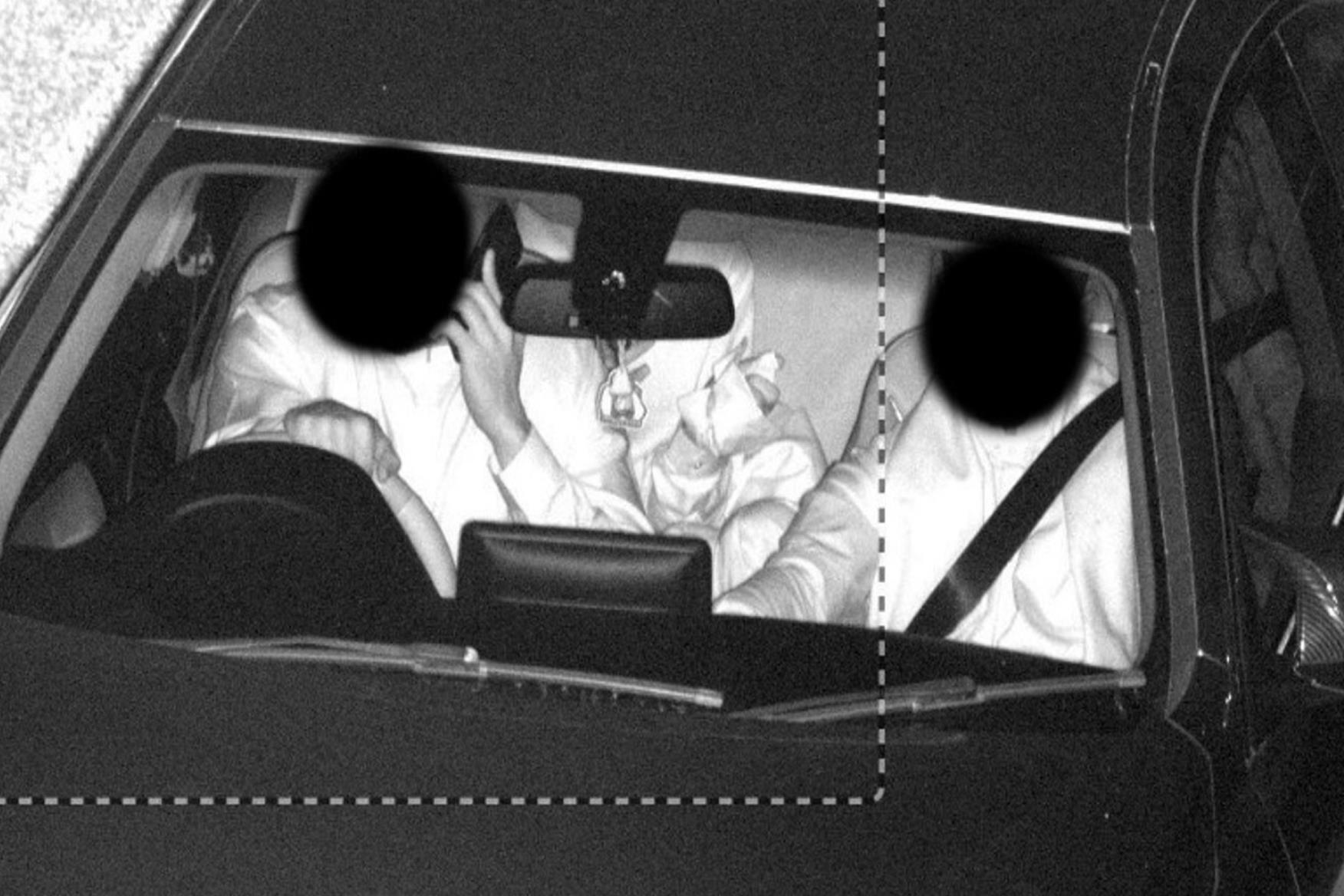
Artificial-intelligence road-safety cameras flagged 1,920 potential mobile-phone offences during a two-week trial in the West Midlands. The March operation covered two sites outside Ladywood and Fallings Park fire stations, in Birmingham and Wolverhampton respectively, and was intended to measure the scale of distracted driving rather than prosecute individual motorists.
The split between the locations was significant: 1,163 potential offences were recorded at Ladywood and a further 757 at Fallings Park. The technology initially scanned passing traffic, while human operators reviewed a sample of 8,024 images to assess the system’s accuracy. The trial was funded by the West Midlands Combined Authority together with the police and fire services, and produced no prosecutions.
What the cameras recorded
The images included a driver holding a phone to their ear, another driver using a phone with both hands while looking at the screen, and a driver who was vaping while a passenger carried an unrestrained child on their lap. The last example extends beyond phone use, but illustrates the wider range of risky behaviour visible to the system.
One released image shows the driver’s eyes fixed on a phone screen rather than the road. For a motorcyclist, that distraction can remove the attention needed to spot a rider, judge a motorcycle’s speed or react to a developing hazard. The 1,920 detections came from only two locations and do not mean that every image would have met the threshold for a prosecution, but they provide a clear measure of how frequently the cameras identified possible phone use.
From trial data to possible enforcement
West Midlands Mayor Richard Parker described the findings as “frankly shocking” and said using a phone while driving was not worth the risk. Simon Foster, the region’s Police and Crime Commissioner and chair of its road-safety partnership board, said the results were “deeply concerning” and were being used to evaluate whether the AI technology could support future enforcement.
Superintendent Keeley Bevington of the region’s roads-policing unit identified mobile-phone use as one of the “fatal 5” offences targeted by West Midlands Police under its Vision Zero ambition to eliminate road deaths. She described it as a distraction that contributes to collisions in which people are killed or seriously injured.
The wider road-safety figures add context for riders. Department for Transport figures for 2025 recorded 386 motorcyclist deaths on Britain’s roads, 14% more than in 2024, while “ineffective observation” by either the driver or rider was the most commonly recorded factor in fatal and serious collisions involving a motorcycle and another vehicle. Mobile-phone use was linked to 32 deaths on UK roads in 2025.
The West Midlands trial also invites comparison with enforcement totals: around 2,000 motorists a year in the region are fined and receive penalty points for driving while using a mobile phone. A two-week detection figure that approaches that annual total suggests that the problem may be considerably larger than prosecution numbers alone indicate. The next question is whether the technology remains a measurement tool or becomes part of future enforcement operations.
THE EVIDENCE BEHIND THE STORY
Sources
Spotted something that needs correcting? Contact the editorial team ↗