
Italy plans online checks for licences and insurance from 2028
A proposed Road Code reform would reduce the need to carry paper documents while keeping important exceptions.

3 min read
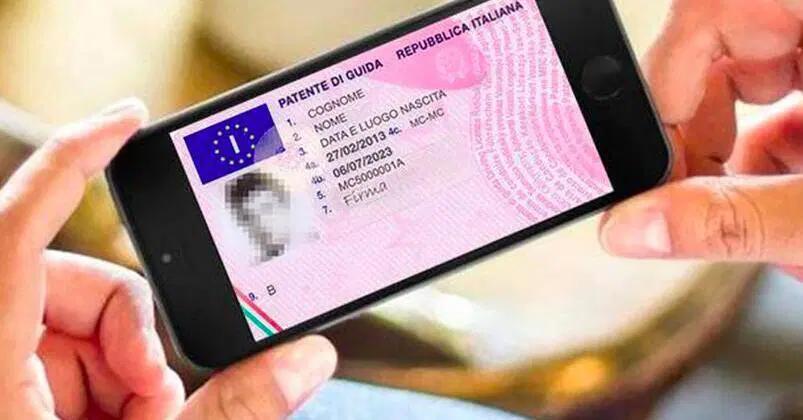
Italy is preparing to move checks on a driver’s key documents into its public databases, a change that would directly affect motorcyclists as well as car drivers. The proposal for a new Road Code was approved by the Council of Ministers on 13 October. It would remove the general need to carry the prescribed paper documents when authorities can confirm their existence and validity electronically. The planned start date is 1 January 2028, although implementation could be delayed until 1 April if the process requires 180 days after the implementing regulation is issued.
What would change at the roadside
The proposal changes the practical operation of Article 180. At present, not having the required physical documents available can bring an administrative fine of 42 to 173 euros. A further penalty of 430 to 1,731 euros may apply if a driver fails, without a justified reason, to attend a police office after being instructed to do so.
With real-time electronic verification, the offence linked simply to leaving the documents behind is expected to disappear, along with the later attendance requirement. That would apply provided the driver actually holds the necessary legal qualifications. The digital check would verify compliance; it would not replace the driving entitlement or the insurance itself.
The databases behind the system
The proposed process would draw on three main information systems operated by Italy’s Motorizzazione civile. ANAG contains driver details, licence categories and licence validity. ANV stores registration information and technical data for vehicles, while the national insurance database confirms whether compulsory RCA cover is active. For a motorcycle rider, the arrangement would allow the main requirements to be checked without automatically asking for the physical licence or registration document.
There is also an important fallback for technical failures. If the connection to the databases cannot be established during a roadside check or while an accident is being recorded, the obligation to show the documents would apply again and the driver could be told to produce them later. Keeping them in paper form, or digitally on a smartphone through the IO app, therefore remains a sensible precaution.
Rental, learner and foreign-plate exceptions
Short-term rental users would still have to keep the rental agreement with a legally certain date in the vehicle. For a rental without a driver, however, the registration document would no longer need to be carried, not even as a certified copy, as long as the relevant data could be checked online.
Learners would no longer need the paper foglio rosa, but they would still need an identity document. A private accompanying driver would have to carry their own licence, either physically or through the IO app. Professional instructors would continue to show their professional qualification certificate. For minors holding an A1 or B1 licence in accompanied driving at 17, an authorisation accessible online would not need to be shown. The designated accompanying driver would still need a category B or higher licence, and up to three accompanying drivers may be designated.
Separate requirements would remain for Italian residents using a foreign-plated vehicle registered to someone else. Use exceeding 30 days in a calendar year would still require registration with REVE. Once registered, the receipt would not need to stay in the vehicle, but the foreign registration document would. From 2028, the presumption of foreign insurance cover associated with the Madrid Convention is also expected to end. An Italian RCA policy issued by an authorised insurer would then be required, with the cover subject to electronic verification.
THE EVIDENCE BEHIND THE STORY
Sources
Spotted something that needs correcting? Contact the editorial team