
Clemente Russo wants a Gilera Runner 180 after his comeback win
The two-time world champion returns to professional boxing at 44, with a blue Scarabeo, a yellow Buell and one unfinished scooter ambition behind him.

7 min read
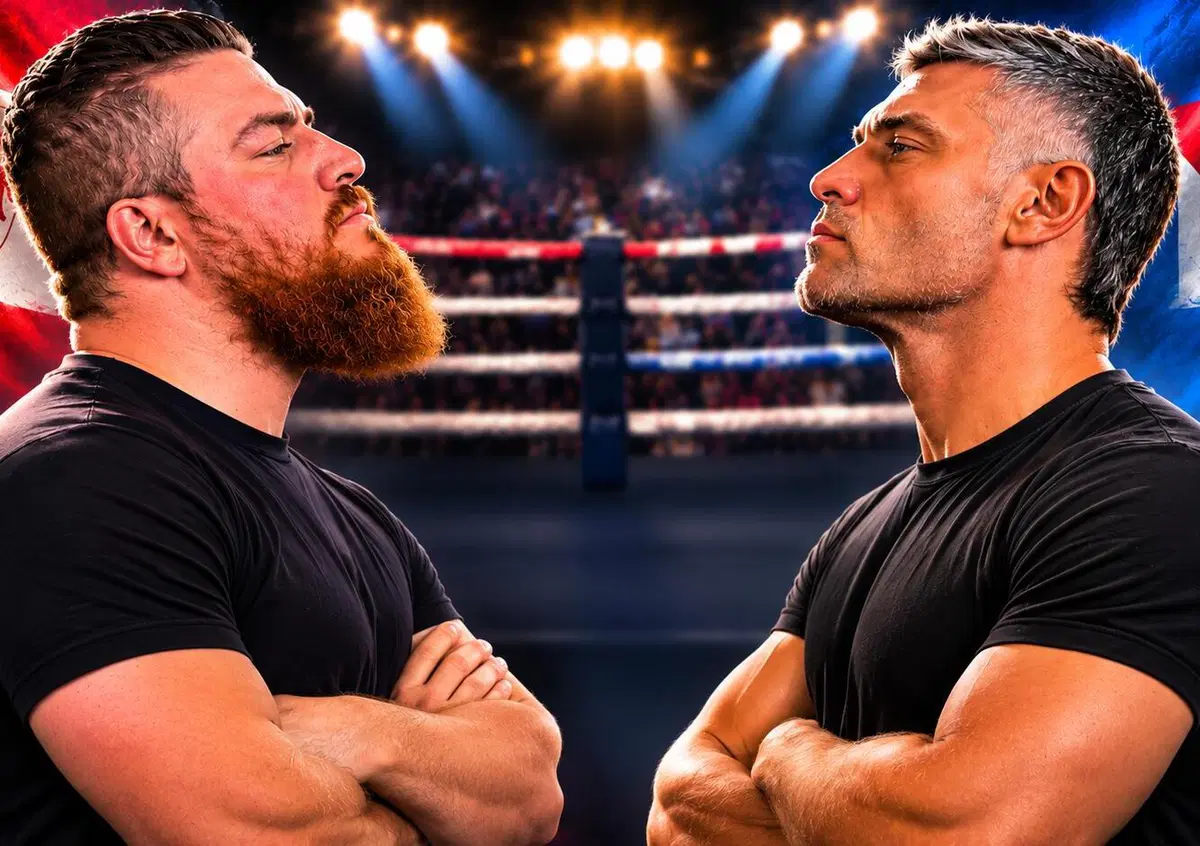
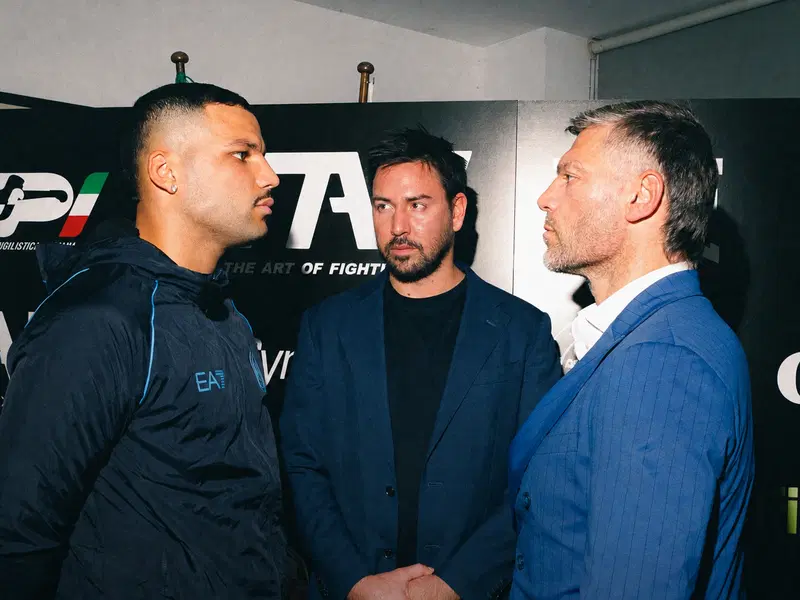
Clemente Russo is returning to professional boxing at 44, but the reward he has in mind for his next victory is not limited to the ring. If he beats Italian light-heavyweight champion Momo Elmaghraby at Milan’s Allianz Cloud on 21 November and decides to continue his career, Russo says he will finally buy a Gilera Runner 180. The scooter has become an unfinished part of his motorcycling story, tied to acceleration, independence and the personal rewards he has used to mark important sporting achievements.
Russo is a two-time world champion and a two-time Olympic silver medallist, yet his relationship with two wheels began long before he became a decorated boxer. Boxing paid for his first Scarabeo, while a later yellow Buell briefly became part of his life and, in his telling, even influenced the way he understood movement during a fight. He does not describe motorcycles as a way to show off. Their value is quieter: a short escape from training, a chance to clear his head and a reminder of the speed he has always appreciated.
A bronze medal bought the first scooter
In 1996, aged 14, Russo had already received a warning that stayed with him. He was riding an old scooter belonging to the grandfather of a friend from the gym. Its brakes were almost useless and, at an intersection, he could not stop. A car hit him, fortunately at low speed, and he injured his arm. The scar is still there. For a young boxer who had just won a bout, the sight of the stitches made the risk clear: one careless moment on the road could affect an entire sporting career.
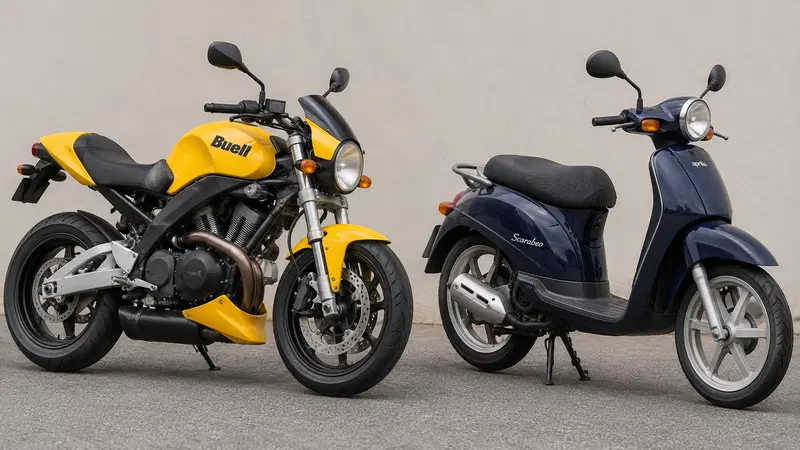
The following year, at the 1997 European Under-17 Boxing Championship, Russo won a bronze medal and received a prize of 6.5 million Italian lire. Because he was a minor, he went with his father to a dealership and bought a blue Aprilia Scarabeo. It cost 3.5 million Italian lire, leaving money for the first round of modifications. Russo remembers rollers, clutch springs, Malossi components and extra lights. This was not simply transport. It was the first tangible reward boxing had given him, and he quickly treated the scooter as a project of his own.
He later moved to a Vespa 125 after obtaining the necessary licence. The Vespa was faster, but its manual gear changes did not appeal to him particularly. Meanwhile, boxing was taking over his schedule. Training, travelling and repeated camps with the national team left little time for riding, while insurance made it harder to justify keeping a scooter parked for most of the year. Russo therefore stepped away from two wheels for a while.
The Buell that became part of his boxing vocabulary
Russo remained without a motorcycle until he was 23. Naked bikes were popular among his friends at the time, but he wanted something less ordinary. In 2005, after winning gold at the Mediterranean Games in Almería, he began looking online. He found a used yellow Buell in the Latina area, agreed a price with its owner and collected it the next day.
The Buell stayed with him for roughly three years, although Russo estimates that he covered only about 3,000 kilometres. Between races, travel, training and preparation for Olympic Games and world championships, his rides were short. He would return home, take the bike out for a quick run and put it back in the garage. He describes himself as a calm rider who would rather head into the mountains, countryside or towards the sea than spend a day covering long distances.
What mattered to him was the engine’s response. Russo values the sound, immediate drive and punch in first, second and possibly third gear more than extreme top speed. The Buell’s acceleration also acquired an unexpected sporting meaning. He says that the sensation of opening the throttle helped him understand the quick exits and bursts of movement he wanted in the ring. After selling the Buell and spending several years without a motorcycle, he began to feel the loss of tiny fractions of a second in his movements more strongly. That was when the idea of buying another two-wheeler returned.
The black Runner that stayed with its owner
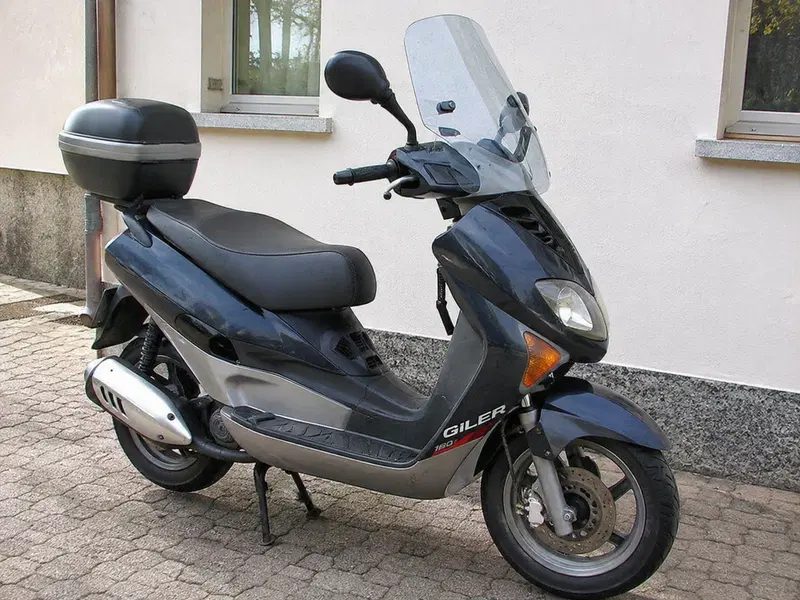
The search did not lead to a modern motorcycle but to an older Gilera Runner 180. Russo had been impressed by the acceleration of the smaller Runner and wanted an example in genuinely good condition. He eventually found a black scooter in the Forlì-Cesena area. It was more expensive than other used examples, but appeared to have been preserved exceptionally well.
The purchase ended during an unusual telephone conversation. The owner asked whether Russo knew basic maintenance, including how to clean a spark plug, and wanted to know how he would use the Runner. When Russo replied that he simply intended to take it out for occasional rides, the owner refused to sell it. He was so attached to the scooter that he did not want it to go to someone who, in his view, would not use it properly.
The Runner promise fits a wider habit in Russo’s career. After important victories, he has often rewarded himself with something personal. He has said that medals have also led him to buy horses. This time, the prize would be a particular scooter, provided his return to professional boxing continues after the Milan fight.
The same discipline on the road and in the ring
Although he talks enthusiastically about acceleration, Russo does not associate motorcycling with aggressive riding. He does not wheelie and has no interest in travelling at 300 km/h. He prefers a relaxed ride that lets him recover mentally and return to training with more energy. He also sees the motorcycle as a potential risk to an athlete’s career: a crash and an injury could undo years of work, so restraint is part of the experience rather than an afterthought.
He applies a similar idea to boxing. Anger does not help a fighter think clearly, he says; preparation, calmness and awareness of one’s limits matter more. Russo has faced Deontay Wilder and maintains that every opponent, famous or otherwise, brings a different lesson. Discussing his professional comeback, he explains that longer bouts offer a different rhythm from Olympic boxing. There is more time to breathe, adjust and recover after losing a round, whereas the Olympic format compresses everything into nine minutes.
Russo is also preparing for the age gap that comes with his return. He acknowledges that an opponent 14 or 15 years younger begins with an obvious physical advantage, and says that this is why he has been working even harder. His strength, he argues, has always been adaptability rather than one fixed plan. A fighter needs to change tactics instantly, moving between technical boxing, pressure, retreat and attack as the contest demands.
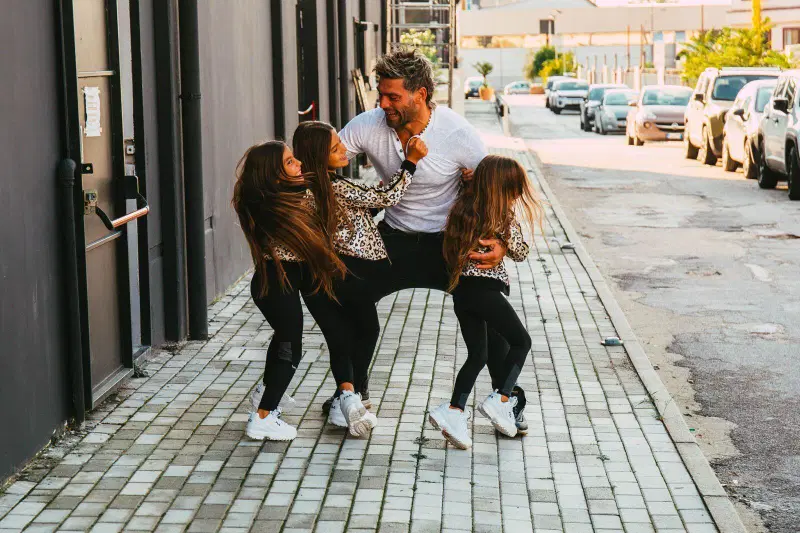
At home, he tries to pass on the same principles. Russo has three daughters: the eldest is involved in high-level dance, one of the younger twins practises boxing and the other focuses on fitness and acting. He speaks of discipline, proper nutrition, respect for rules, consistency and the ability to face difficult moments. The Runner 180 is therefore more than an old scooter he would like to own. It would be the reward for another attempt at the highest level, and the latest chapter in a relationship with two wheels that began with a blue Scarabeo and continued through a yellow Buell.
THE STORY IN PHOTOS
5 photos
THE EVIDENCE BEHIND THE STORY
Sources
Spotted something that needs correcting? Contact the editorial team