
Yamaha stays away from Qatar as MotoGP faces a power struggle
Yamaha’s withdrawal intensifies the dispute over safety, possible sanctions and the division of authority inside MotoGP.

5 min read
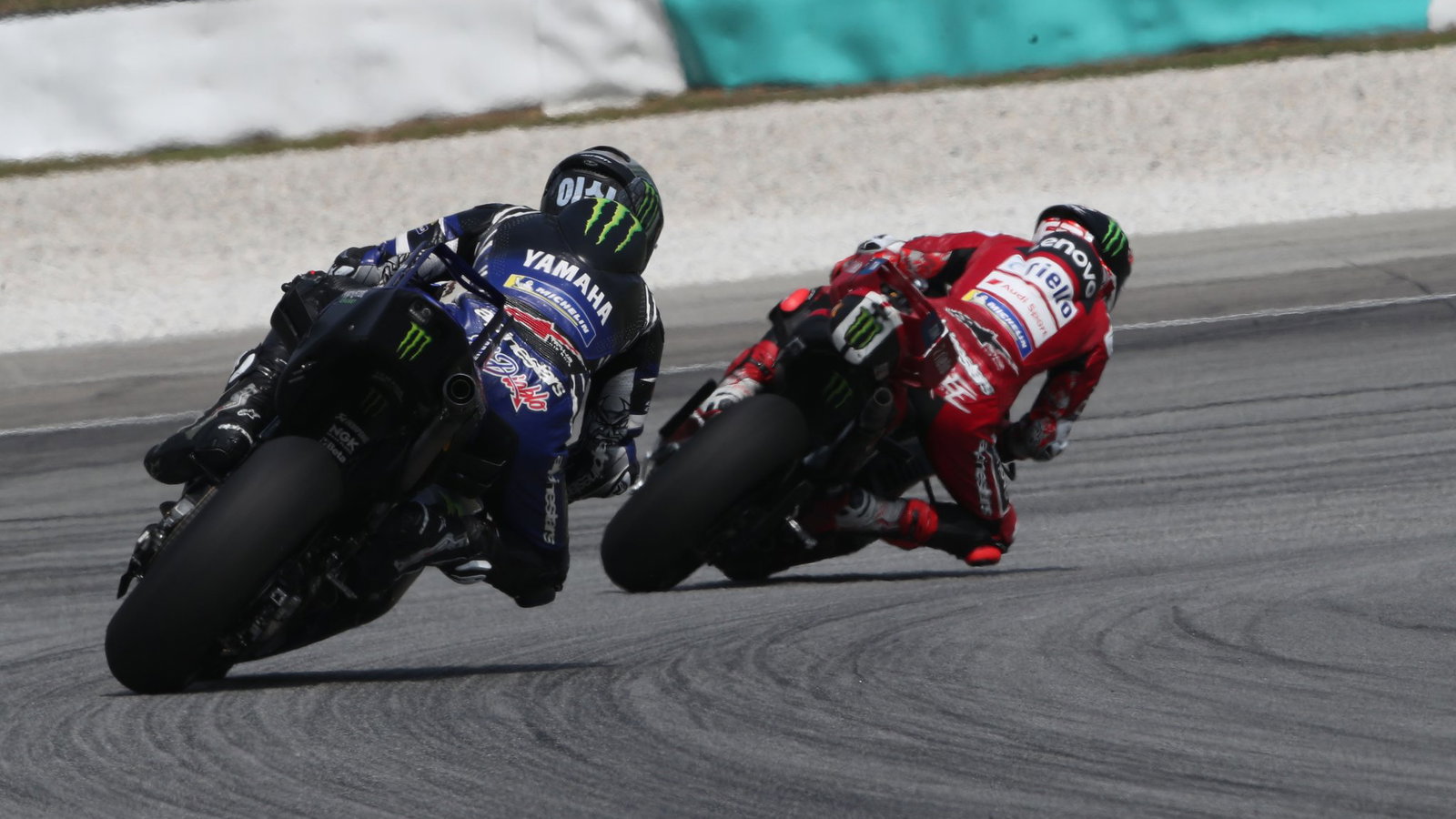
Yamaha will not travel to Qatar for the Grand Prix, turning a week of mounting safety concerns into an open confrontation with the championship’s organisers. The Japanese manufacturer says its decision follows company-wide travel advice aligned with the Japanese government’s position. Fabio Quartararo, Alex Rins, Jack Miller and Augusto Fernandez are therefore not expected to be in Doha.
The media day is scheduled for 5 November, followed by the race weekend on 6–8 November at Lusail. The event is being planned against the backdrop of uncertainty surrounding the conflict with Iran. A further escalation could close airspace across the region, trapping participants in Doha and potentially affecting the Portuguese and Valencia Grands Prix, which were moved to the end of the month to accommodate Qatar on the calendar.
Qatar carries major financial importance for MotoGP, which helps explain the determination to keep the event on the schedule. It does not remove the safety question. Yamaha’s decision is especially significant because the manufacturer has contractual ties to MotoGP Group and may encourage other teams to reconsider their own position.
From rider demands to a boycott
The riders’ opposition began with a private meeting in Australia and developed into demands for firm assurances from Carlos Ezpeleta. He travelled to Qatar to persuade both the riders and the Qatari government that the Grand Prix could go ahead. Jack Miller said that 19 riders signed a letter sent to MotoGP at Sepang, asking for the race to be cancelled as a final attempt to change the plan.
MotoGP responded with evacuation plans and financial guarantees in case the regional conflict escalates and participants become stranded in Doha. Those measures address the logistics of a crisis, but they do not settle the central concern: if conditions deteriorate, leaving Qatar could become difficult even after the race has finished.
Who is going, and what is at stake?
Aprilia, Honda, KTM and Ducati are expected to travel to Qatar. Honda HRC has stated that it will compete in Round 20 of the MotoGP World Championship and is working with its riders, team members and MotoGPSEG to make the weekend happen. That position does not necessarily reflect the view of every individual in every factory operation. Uccio Salucci has said that some VR46 Ducati personnel may stay away if they do not want to travel.
Pramac will send its Moto2 operation after being offered that option and agreeing to go because of Izan Guevara’s title ambitions. In MotoGP, Aprilia and Ducati face the most direct sporting consequences. Marc Marquez can win the championship in Qatar, but he has opposed racing there and is expected to arrive as late as possible. If Ducati stayed away, Aprilia could remain in the title fight; if Aprilia did not compete, its own championship hopes would be over.
The unresolved sanctions question
Possible penalties for teams and riders who do not appear at Lusail have not been defined. MotoGP Group is the commercial rights holder and does not have sole authority to impose sporting sanctions. The dispute has therefore moved beyond whether the race should happen to the question of who can punish a team or rider for refusing to take part.
That puts the relationship between MotoGP Group and the FIM under scrutiny. FIM president Jorge Viegas has not taken an evident public role in the dispute, adding to questions about the boundary between commercial management and sporting oversight. MotoGP Group can point to contractual obligations, but manufacturers and teams are the parties responsible for protecting their staff and accepting the practical risks of travelling to Qatar.
Yamaha’s leverage extends beyond one race
Yamaha is dealing with more than the consequences of missing a single event. A complete withdrawal from both of its racing programmes could leave riders such as Jorge Martin, Ai Ogura and Toprak Razgatlioglu without a place in the championship. It would also damage MotoGP’s stability and image, while making manufacturers considering a future entry look more cautiously at the series. Losing a major brand would matter far more than the immediate sporting effect of four Yamaha bikes being absent.
Yamaha also has room to apply pressure. It does not face the threat of losing concessions, because every manufacturer will start next season on equal terms under the new 850cc regulations. The company has additionally been approached to supply motorcycles for Moto3 when the category moves to a single-bike formula in 2028. If the dispute with MotoGP Group escalates, Yamaha could reconsider that programme as well.
The least damaging outcome for MotoGP would be for the Qatar race to take place without a new incident and for Yamaha’s absence to be settled without a deeper rupture. For now, however, safety, commercial commitments, championship consequences and the division of authority are bound together in a crisis that reaches well beyond one race in Qatar.
THE EVIDENCE BEHIND THE STORY
Sources
Spotted something that needs correcting? Contact the editorial team ↗