
MotoGP 2027: New Sprint qualifying and no Sunday warm-up
Luca Marini supports the revised schedule but expects heavier qualifying pressure and less time for final Sunday set-up.

4 min read
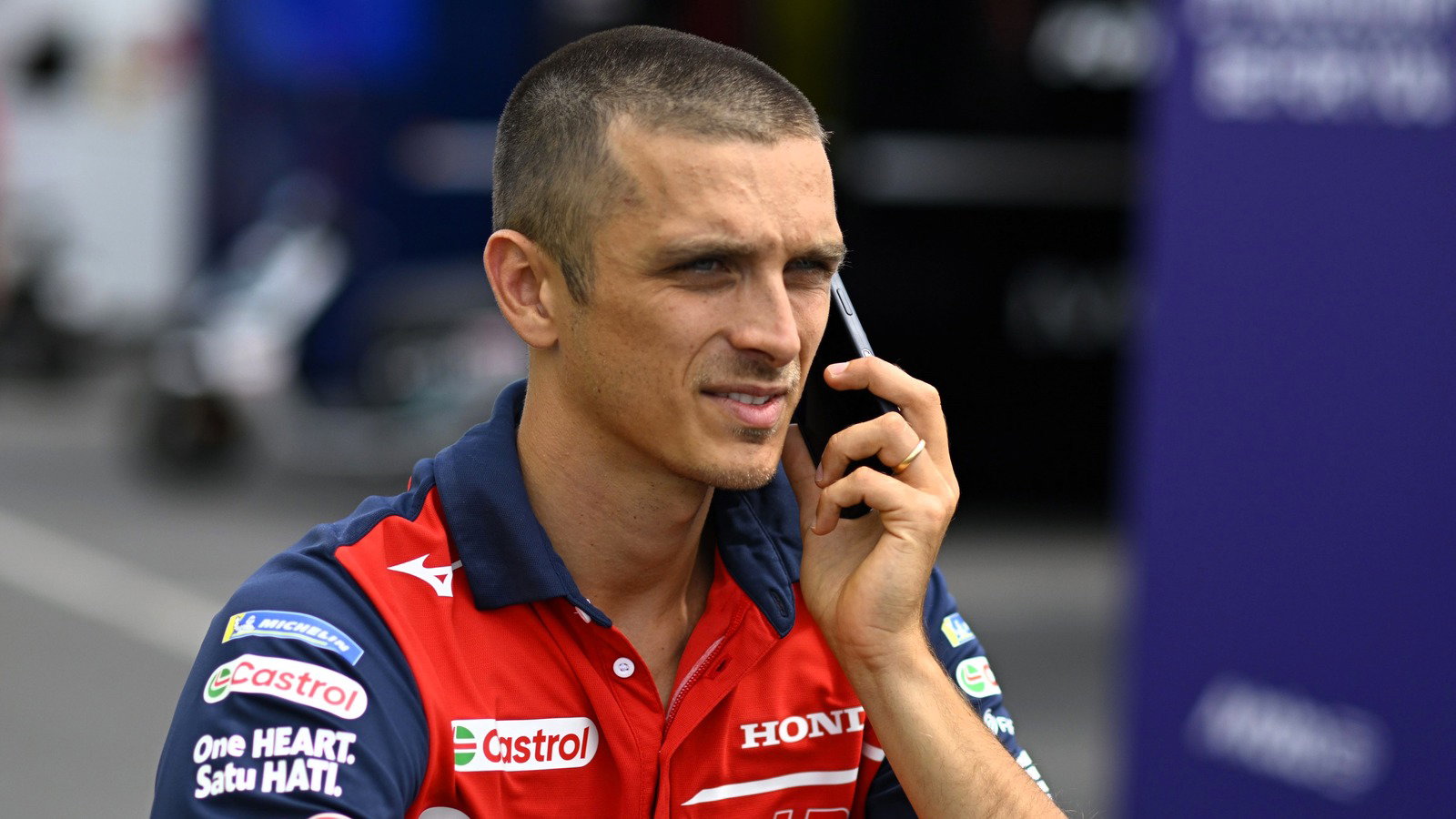
MotoGP will reshape its race weekend in 2027. The revised schedule, confirmed before the Indonesian Grand Prix, adds a standalone Sprint qualifying session on Friday, changes the route to Grand Prix pole position and removes Sunday morning warm-up. Luca Marini sees the direction as positive, while warning that the new rhythm will put riders under greater strain.
Sprint qualifying will occupy 15 minutes at the end of Friday. FP2 will carry a new name and run for 30 minutes, while Saturday FP3 will be reduced from 30 minutes to 20. Grand Prix qualifying will also be reset: every rider will start in Q1, and the 12 quickest will move into Q2 for the pole-position contest.
That replaces the current advantage held by Friday’s ten fastest riders, who go straight into Q2 and bypass Q1. Marini says the teams have been asking for separate qualifying sessions for the Sprint and the Grand Prix since the Sprint format arrived in 2023. He also believes that restoring the FP1, FP2 and FP3 labels will make the weekend easier to follow. In his view, the combination can improve the show and help MotoGP attract more interest.
A short window with the whole field involved
The operational challenge will be immediate. The full grid will share the circuit in both Sprint qualifying and Grand Prix Q1, with only 15 minutes available in each session. Marini expects the FIM Stewards to have more to handle, particularly when slow traffic creates problems, penalties are considered or laps are cancelled after yellow flags.
The riders will face a heavier workload as well. The new sequence creates more laps in which they must deliver a maximum effort, leaving less room to build speed gradually. Marini accepts that added stress as part of the attempt to make the championship stronger. He also expects clean track position to remain valuable. Even with a smaller aerodynamic effect in 2027, he says the bike should still work best in undisturbed air, making a solo fast lap attractive to the quickest riders.
The sporting changes arrive alongside two major technical shifts: MotoGP will move to 850cc engines and Pirelli tyres in 2027. Teams and riders will therefore be learning a new qualifying pattern at the same time as they adapt to a different motorcycle and tyre environment.
Sunday loses its warm-up session
The ten-minute MotoGP warm-up on Sunday will be removed. It will give way to a ten-minute pre-race window in the pit lane, during which riders will be allowed to complete multiple sighting laps. Marini regards the loss of warm-up as unfortunate because it gives riders a final chance to check a change to the bike or respond to a problem suffered during the Sprint. It is also an early piece of track action for spectators who arrive at the circuit in the morning.
The reduced Sunday preparation time may matter most to riders changing teams or manufacturers. Marini will fall into that group when he moves to Tech3 KTM next season, and he says the absence of warm-up could leave such riders with fewer opportunities to make final adjustments. He also raised a practical question about the pit-lane window: riders may need to use the second bike so the other machine remains ready for the grid. That possibility would have consequences for fuel planning and the teams’ preparation for the start, but Marini presented it as an issue to be worked out rather than a settled rule.
Marini’s overall verdict remains favourable. He believes the extra pressure is worthwhile if the revised structure makes MotoGP clearer and more appealing. The 2027 season will ask the paddock to absorb several changes at once: a new qualifying sequence, shorter preparation opportunities, 850cc engines and Pirelli tyres.
THE EVIDENCE BEHIND THE STORY
Sources
Spotted something that needs correcting? Contact the editorial team ↗