
Motegi: when wheelspin decides rear-tyre life
Blistering on Martin’s and Bagnaia’s tyres showed how narrow the Sprint’s balance is between outright speed and durability.

2 min read
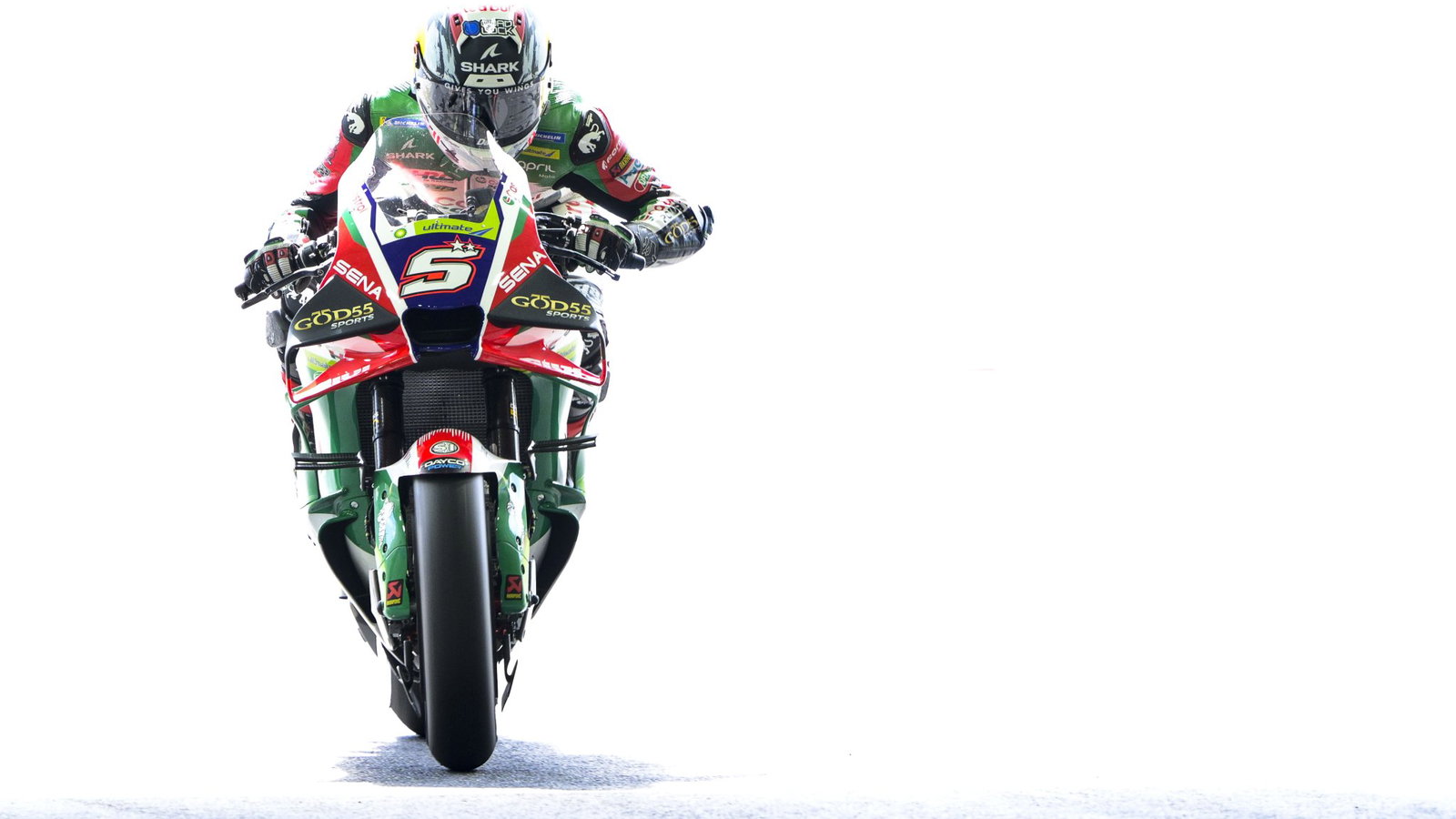
The MotoGP Sprint at Motegi exposed how finely balanced rear-tyre management has become. Riders need a degree of wheelspin on corner exit to set competitive lap times, but excessive heat can erase that advantage before the finish. Jorge Martin and Francesco Bagnaia both suffered material coming away from the centre of their rear tyres after that area overheated along the straight, producing blistering.
Martin crossed the line second, but a final-lap track-limits penalty dropped him to third in the classification. Bagnaia did not make it to the finish, retiring on the last lap. The Sprint consequently put tyre-temperature management on the same level as outright pace when it came to maintaining performance across the distance.
What Zarco learned from the tyre balance
Johann Zarco explained that some rear-wheel spin is unavoidable if a rider wants competitive lap times. The important distinction is whether that spin remains under control. Too much of it raises the tyre temperature and can trigger blistering. The LCR Honda rider considered the medium rear tyre the safer option for covering the full race distance on the following day.
Diogo Moreira secured his first Sprint podium at Motegi. He crossed the line fourth but was classified second after penalties for Martin and Enea Bastianini, who had finished third on the road. Zarco could not stay with either Moreira or Bastianini, despite believing before the race that he had the pace to do so. He said the rear tyre was not the reason for his own shortfall: his main loss came on corner entry, and he needs to solve that weakness before he can recover the missing pace.
THE EVIDENCE BEHIND THE STORY
Sources
Spotted something that needs correcting? Contact the editorial team ↗