
Marini urges Michelin to investigate Motegi’s hard-tyre surprise
A rear tyre dismissed before the Japanese GP became the standout choice after the Sprint and Warm Up reshaped MotoGP’s expectations.

3 min read
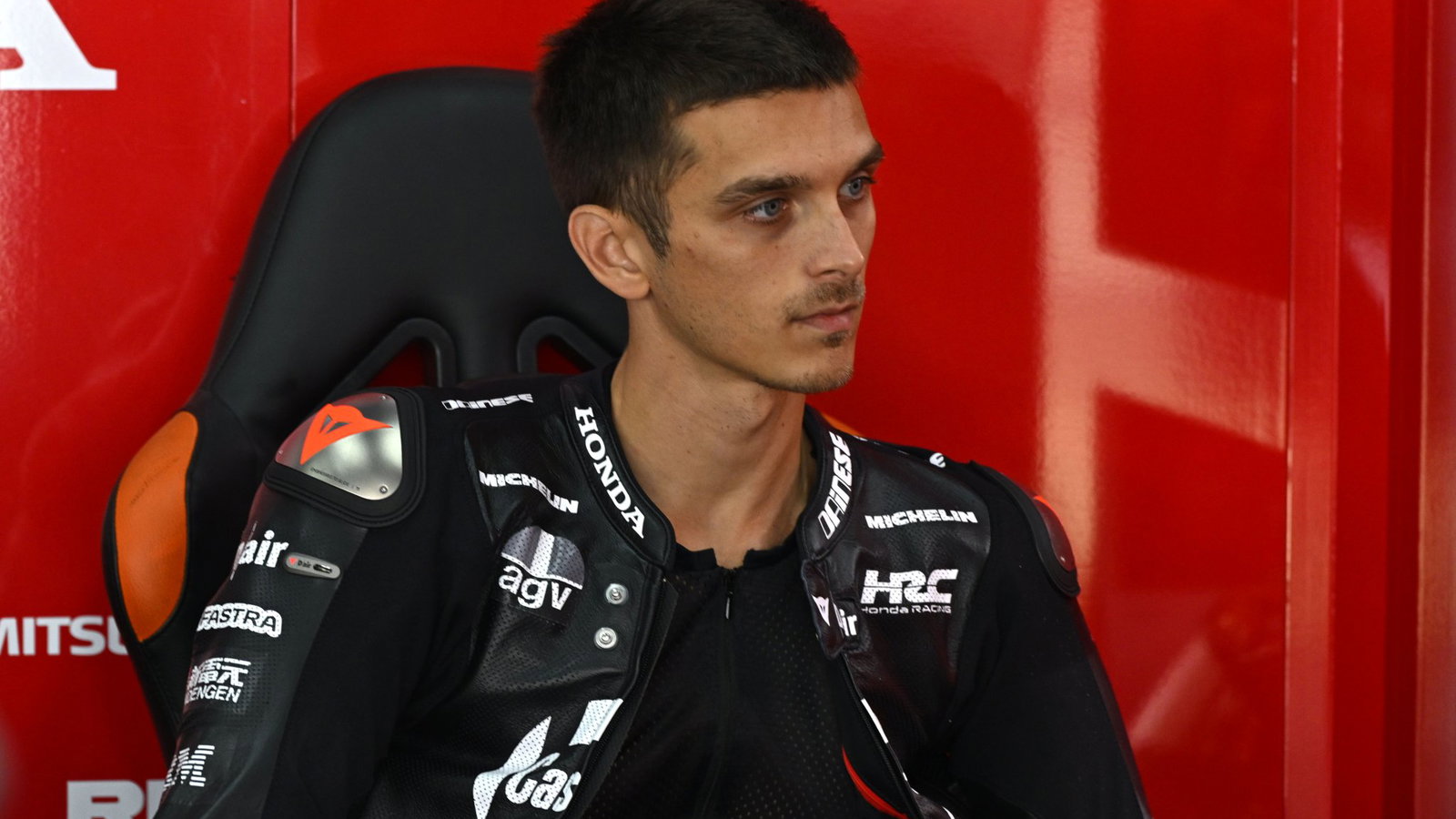
Luca Marini believes Michelin should investigate how its least-favoured rear-tyre option became the strongest performer at Motegi. The Honda HRC Castrol rider had dismissed the hard-construction rear before the Japanese MotoGP weekend, as had the other riders, but its performance changed the tyre picture within a matter of hours.
Michelin selected the hard rear for Motegi because of the circuit’s new surface and its stop-start character. The tyre used the same rubber compound as the soft rear in the allocation, while its construction matched the heat-resistant specification Michelin had used in Austria two weeks earlier. It was brought primarily as a safeguard in case the standard options proved unsuitable for the new asphalt.
That contingency plan became more important after the soft rear was withdrawn from Sunday’s allocation. Several riders experienced centre chunking with it during the Sprint, making the medium-compound rear look like the obvious race choice. The hard tyre had barely featured in the weekend’s thinking until Warm Up, when the riders finally evaluated it and found it worked better than the alternatives. Marini even felt it might have been competitive enough for qualifying and the Sprint.
“Fantastic! Unbelievable,” Marini said after the race, describing the hard rear’s grip. He said the problems he had been experiencing with the motorcycle effectively disappeared once he fitted it, turning a tyre that had been treated as a backup into the best of the three available options. For Marini, that unexpected result is something Michelin needs to understand rather than simply celebrate.
The rider also pointed out that the same tyre is available at other circuits, yet has never worked as well as it did at Motegi. He said he had spoken at length with Michelin’s engineers after the race and described the tyre as a “fantastic” product for that track. The contrast between its usual reputation and its Japanese performance raises questions about how surface characteristics, construction and compound interact in ways that are not obvious before a weekend begins.
Marini’s own Friday choices reinforced the lesson. After crashing early in practice, he could no longer continue with the soft tyre and had to change it. He had already used the medium in FP1, so the hard rear was available as an opportunity to gather information, but he chose the medium instead after having written off the hard option beforehand. In hindsight, he called that a moment when trying every tyre would have been the more useful approach.
He believes that approach will matter even more when Pirelli becomes MotoGP’s tyre supplier, because riders will have three specifications available at every event. Motegi showed the risk of making a race plan around an early assumption: a tyre intended for difficult conditions can become the decisive option once the track and the motorcycle reveal what it can really do.
THE EVIDENCE BEHIND THE STORY
Sources
Spotted something that needs correcting? Contact the editorial team ↗