
Braking remains Toprak’s biggest Yamaha headache
Razgatlioglu explains the Motegi problem and why adapting to the Michelin tyres is only part of the solution.

2 min read
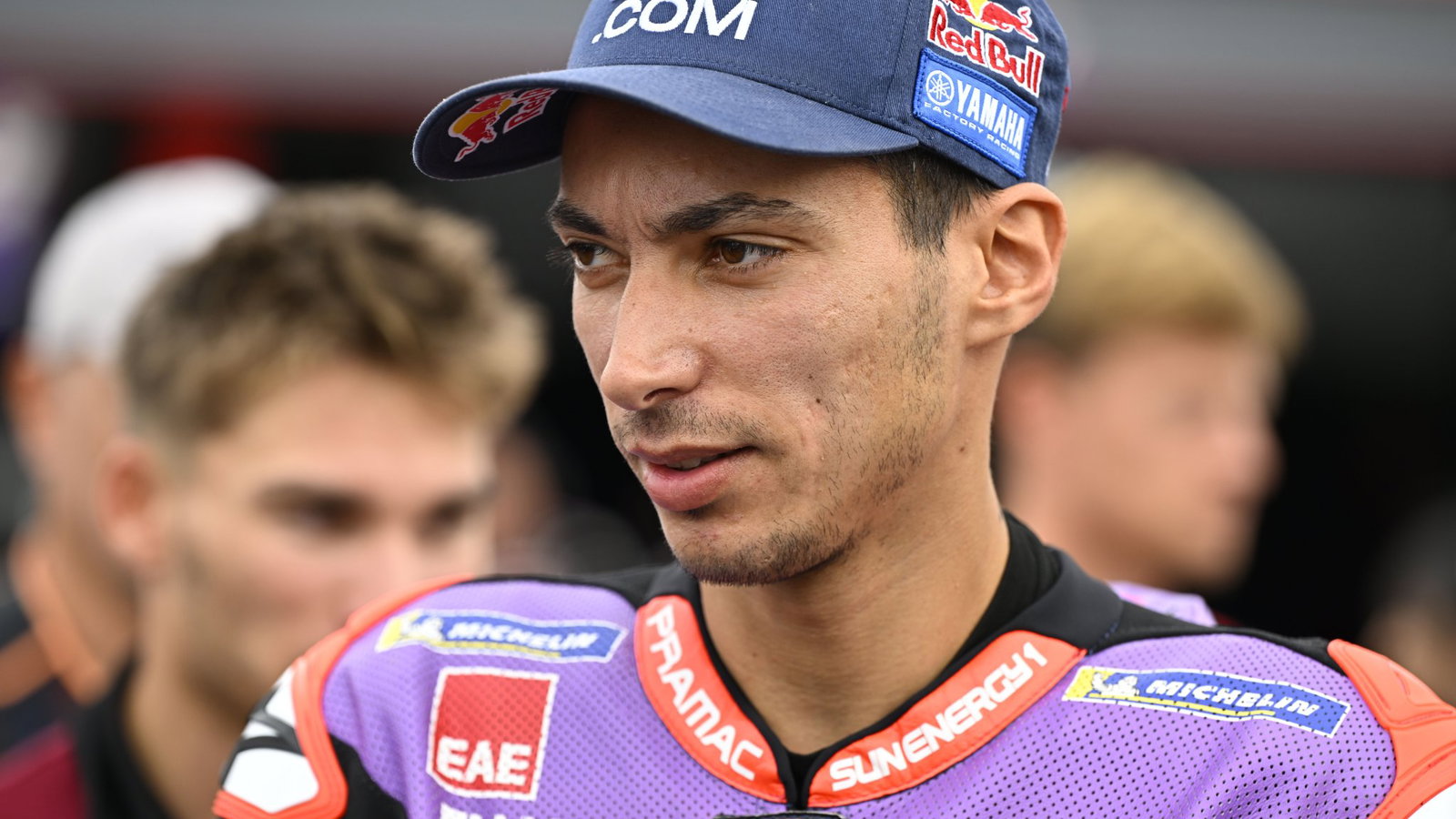
Toprak Razgatlioglu’s braking difficulty resurfaced at the Japanese Grand Prix in Motegi. The Pramac Yamaha rider started from the back of the grid and finished 17th, while Fabio Quartararo took a Yamaha to 12th place. Razgatlioglu called the bike’s behaviour “very strange” and described a race in which he was fighting to make it stop.
His explanation centres on what the rear tyre was doing under braking. Razgatlioglu said it was pushing strongly into the front, making the motorcycle difficult to stop and preventing him from maintaining the same rhythm lap after lap. He also said the data showed other Yamaha riders braking later than he could while still bringing the bike to a halt more effectively.
A step forward after six laps, not a cure
After six laps, Razgatlioglu found a better rhythm and saw a 1m44s lap, but the improvement did not change the result. He said he was still riding on the limit and lacked the confidence he needed on the approach to the braking area. The front tyre was locking frequently as well, adding another obstacle to stopping the Yamaha at the point he wanted.
The comparison with Quartararo also highlighted the adaptation gap. Razgatlioglu acknowledged that Quartararo’s greater experience with Yamaha gives him a better understanding of how to slow the bike down. At the same time, Razgatlioglu said he must learn to use the rear brake more effectively so it can contribute to stopping the motorcycle.
For the three-time World Superbike champion, the challenge involves adapting his braking style to MotoGP’s Michelin tyres while also dealing with the motorcycle’s behaviour at the end of deceleration. Razgatlioglu believes that stopping the Yamaha accurately at the correct point would produce much better lap times. For now, the pace he found after the sixth lap represents a partial improvement rather than a solution.
THE EVIDENCE BEHIND THE STORY
Sources
Spotted something that needs correcting? Contact the editorial team ↗