
Alex Marquez: Ducati hits another rear-grip wall in Austria
The fifth-placed Sprint finisher described a difficult weekend for Ducati, with the harder-construction tyre exposing its rear-grip weakness once again.

2 min read
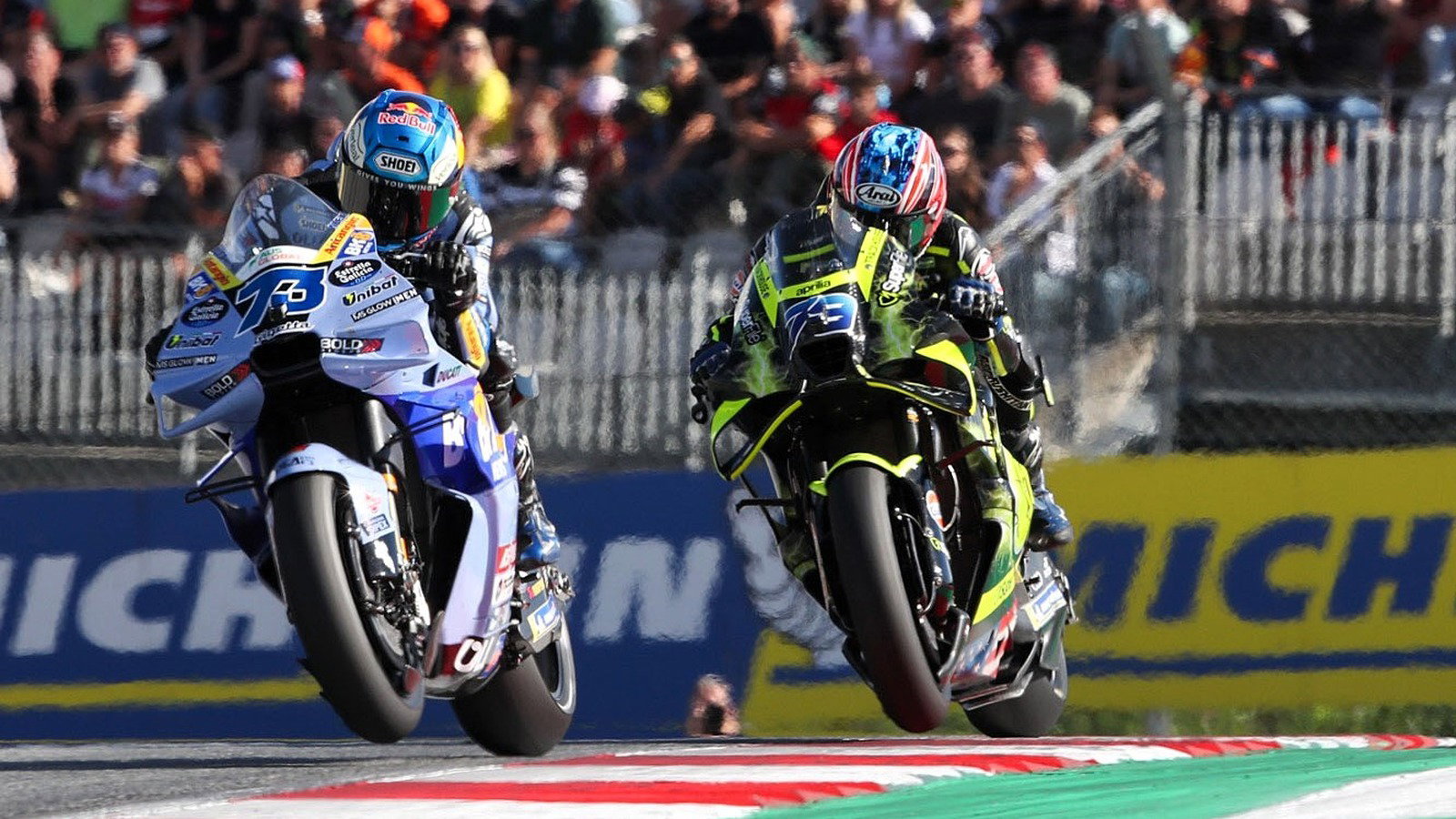
Alex Marquez’s fifth place in the Austrian MotoGP Sprint did little to conceal Ducati’s problems at the Red Bull Ring. The Gresini rider was the second-best Ducati behind his brother Marc, who finished runner-up. For Alex, however, it was his worst race result since the crash at July’s German Grand Prix.
Crash.net reported that the main difficulty was a lack of rear grip with the tyre using the harder construction. That option had last appeared at the Buriram opener, and Marquez said its behaviour reminded him of Ducati’s problems at the start of the season in Thailand. The team used the Sprint to alter parts of the setup and aerodynamic package. The changes brought a small improvement, but not enough to remove the problem or bring Ducati close to the Aprilias and Pedro Acosta’s KTM.
Why the tyre affects Ducati more
Marquez’s explanation centred on how the different bikes manage corner speed and acceleration. In his view, Aprilia can carry more speed through the apex and deliver the power to the tyre more smoothly. Ducati, by contrast, has a more stop-and-go character and needs stronger rear traction. When this construction reduces the available grip, that difference makes the effect on Ducati’s performance more pronounced.
Marquez expects the same construction to appear again in Malaysia. He described Indonesia as different, while still sharing some similarities. His assessment of the riding experience was blunt: he called it “zero” fun and said he felt bad on the bike. As he explained, when a rider cannot find enough speed and watches the others pull away, riding becomes mostly an effort rather than an enjoyable experience.
Two fast practice crashes added to Marquez’s difficult weekend. His Gresini team-mate Fermin Aldeguer finished eighth in the Sprint after standing on the Austrian podium the previous season. Marquez’s account points to a Ducati behaviour problem linked to this tyre construction, rather than a single bad moment during the race.
THE EVIDENCE BEHIND THE STORY
Sources
Spotted something that needs correcting? Contact the editorial team ↗