
Ultraviolette X-47 Venom brings €8,450 European price
The electric crossover combines a 100V platform, rear radar and early-2027 European deliveries.

2 min read

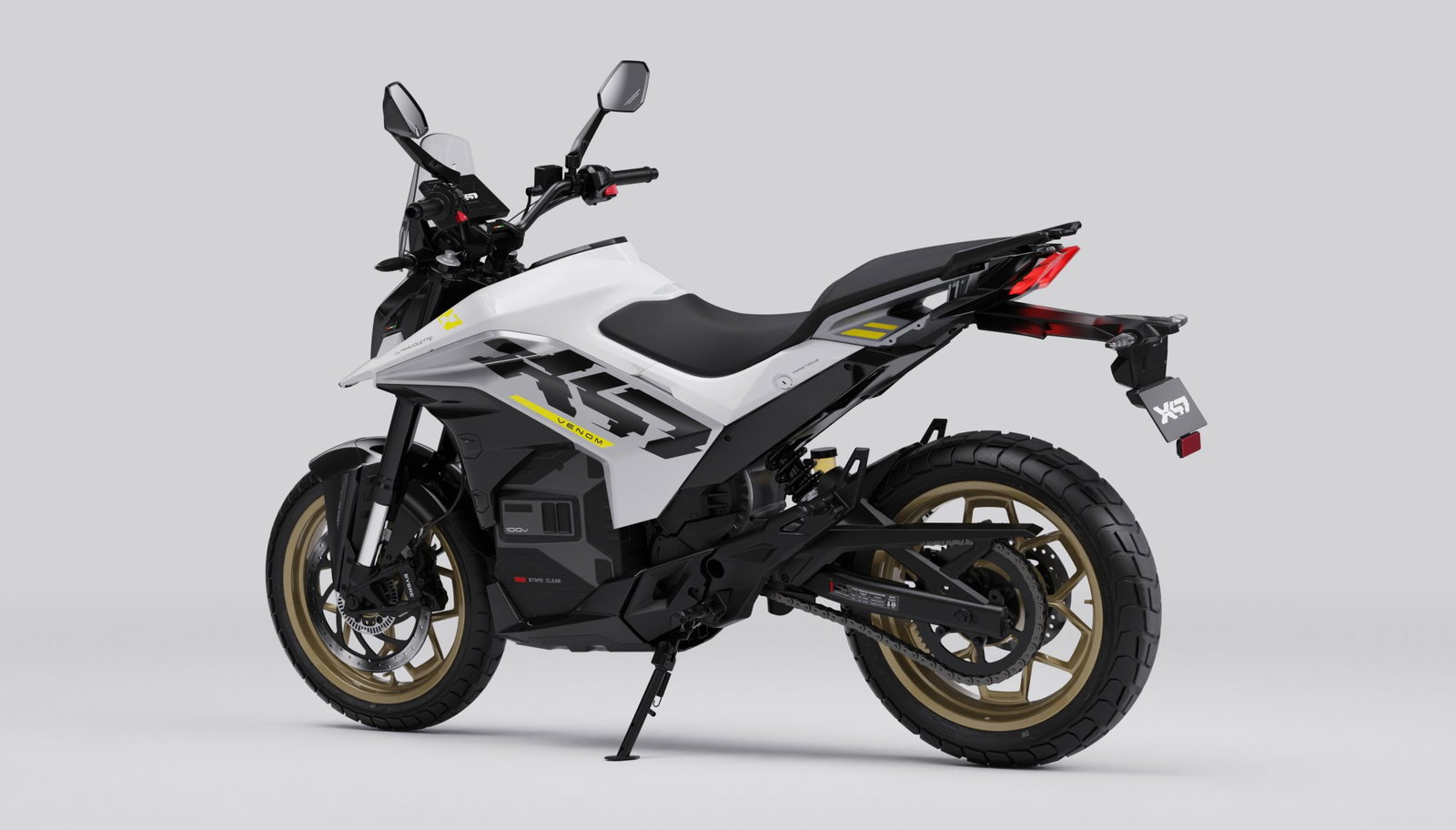
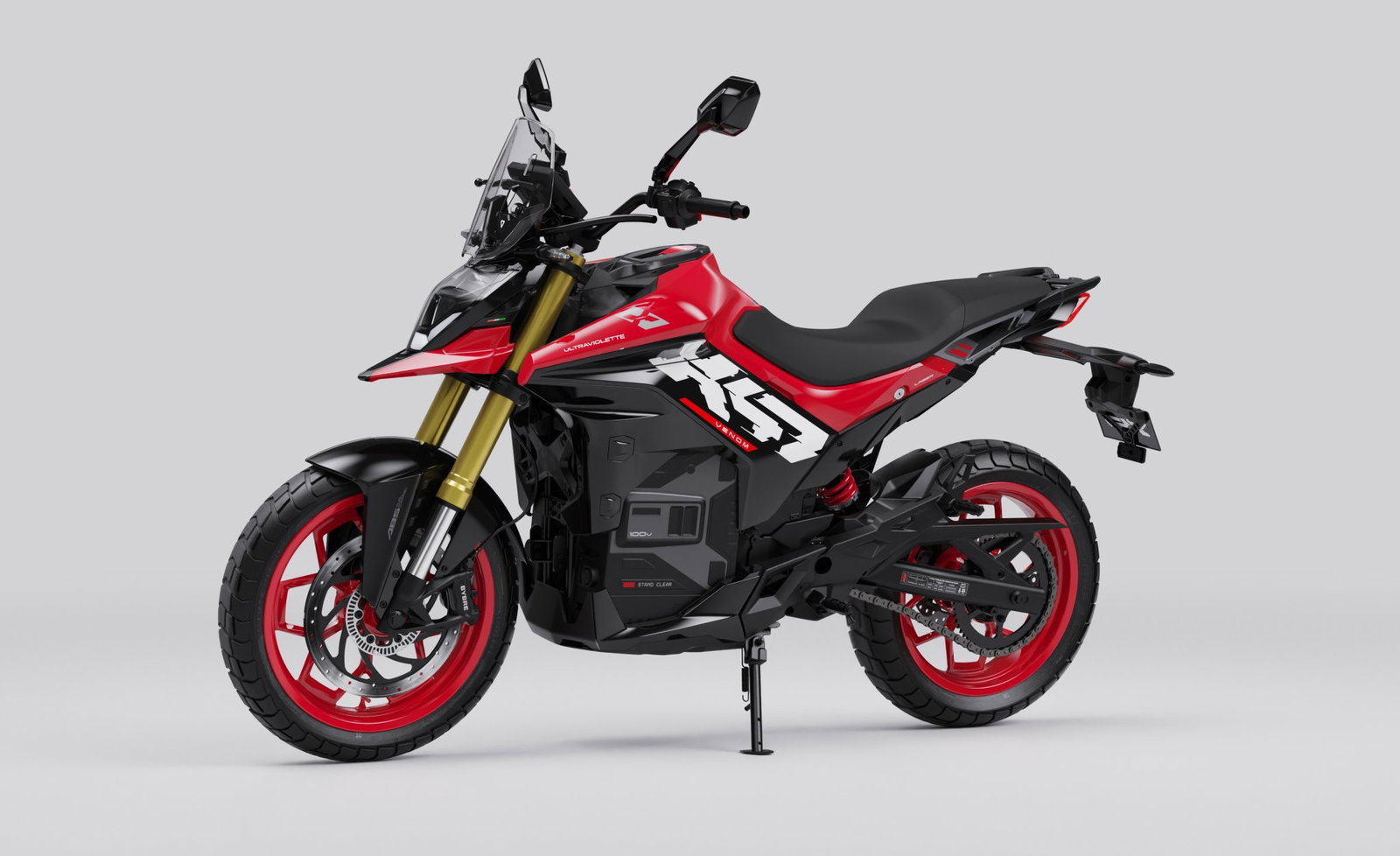
Ultraviolette has put a €8,450 European price on its new X-47 Venom electric crossover. Deliveries to European customers are expected to begin in early 2027, while the UK has been assigned a £7,690 introductory price. British pricing and availability remain to be confirmed, and a specific UK launch date has not been announced.
The motorcycle was shown at EICMA 2026 in Milan and becomes the first Ultraviolette model to use the company’s 100V VX-100 electric architecture. Peak output is 30kW (40bhp), with Ultraviolette quoting 550Nm (406lb ft) at the rear wheel. Claimed performance figures include a 155km/h (96mph) top speed, 0-60km/h in 2.7 seconds and 0-100km/h in 5.9 seconds. The stated city range is 235km under the WMTC test procedure, while kerb weight is 206kg.
A new battery platform with radar assistance
The VX-100 platform is built around an SRB-11 battery system. Ultraviolette says it raises energy density by up to 20% and delivers twice the cooling performance of its previous technology. Standard charging uses a 1.6kW onboard Type 2 charger; buyers can also specify a 3kW external boost charger.
UV Hypersense is the Venom’s most distinctive electronic feature. Its rear-facing 77GHz radar can track traffic up to 200m behind the motorcycle, supporting blind-spot detection, lane-change assistance, overtaking alerts and rear-collision warnings. The equipment package also brings integrated front and rear recording cameras, a 7in colour touchscreen TFT, cruise control, switchable Bosch dual-channel ABS, four-stage traction control and dynamic stability control.
Three riding modes—Glide, Combat and Ballistic—are joined by 10 levels of regenerative braking. MotoMondo UK Ltd will distribute the motorcycle in Britain, extending a relationship with Ultraviolette that previously brought the F77 Mach 2 to the UK; that partnership was announced in 2025. With the X-47 Venom, Ultraviolette is combining crossover versatility with strong claimed acceleration and a rider-assistance package built around rear radar, ahead of its planned European arrival in early 2027.
THE STORY IN PHOTOS
3 photos
THE EVIDENCE BEHIND THE STORY
Sources
Spotted something that needs correcting? Contact the editorial team