
Triumph Street Triple 798 RS: the sharper 2027 road racer
The new RS brings 135 PS, a 183kg wet weight, advanced electronics, and a direct Moto2 and Supersport connection to Triumph’s naked-bike range.

5 min read
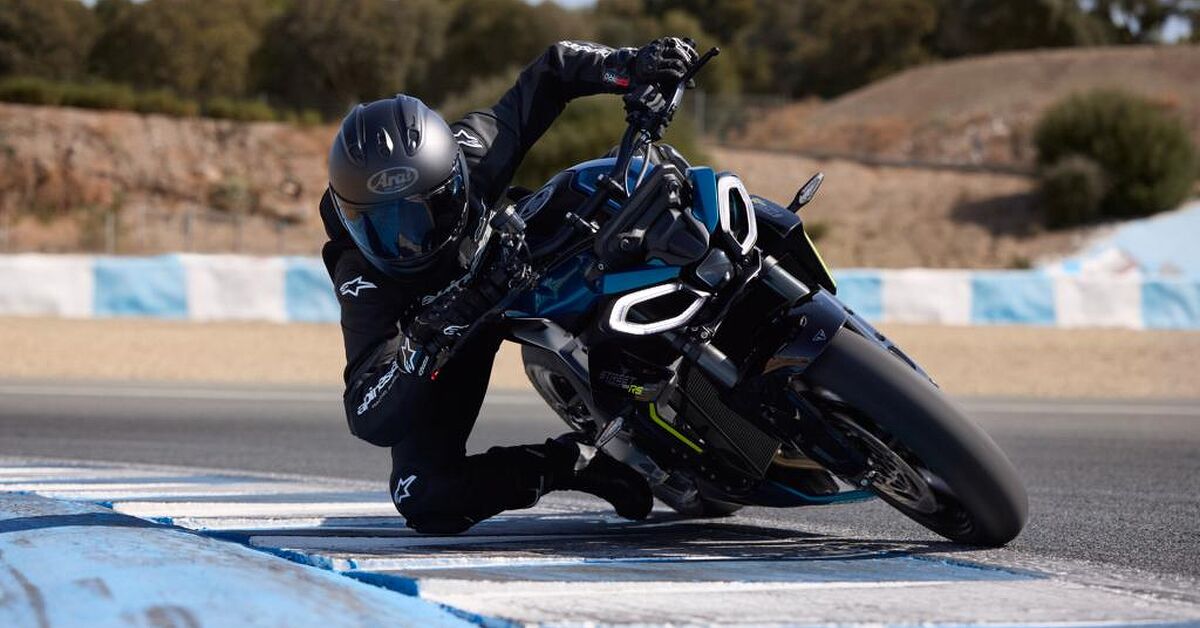
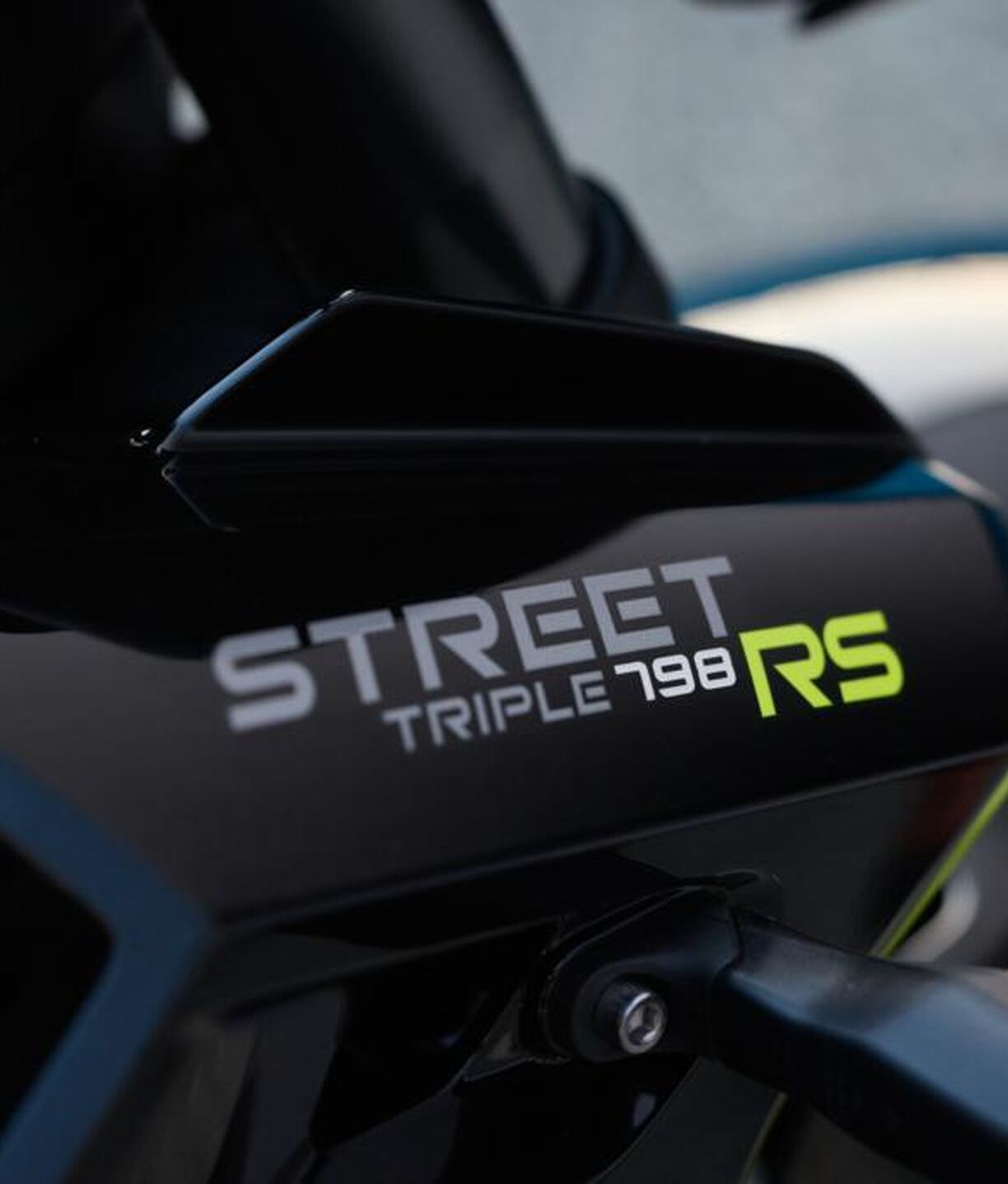
Triumph is taking the Street Triple into a new phase for 2027 with the 798 RS. This is more than a displacement increase: the motorcycle gains a new triple, a completely redesigned aluminum chassis, upgraded suspension and brakes, and a substantially expanded electronic package. The result is the sharpest version of the Street Triple formula yet, with lower mass, more performance, and a clearer road-to-racetrack connection.
The centerpiece is a liquid-cooled, 12-valve, DOHC 798cc three-cylinder engine. Its 78.0mm bore is retained, while the 55.7mm stroke and 13.5:1 compression ratio help produce the larger capacity. Triumph quotes 135 PS, or 133 bhp, at 11,500 rpm and 86 Nm at 9,250 rpm. The company also claims a 10 percent increase in torque throughout the rev range compared with the previous 765 engine. That promise points to a broader change in character rather than a peak-output upgrade alone.
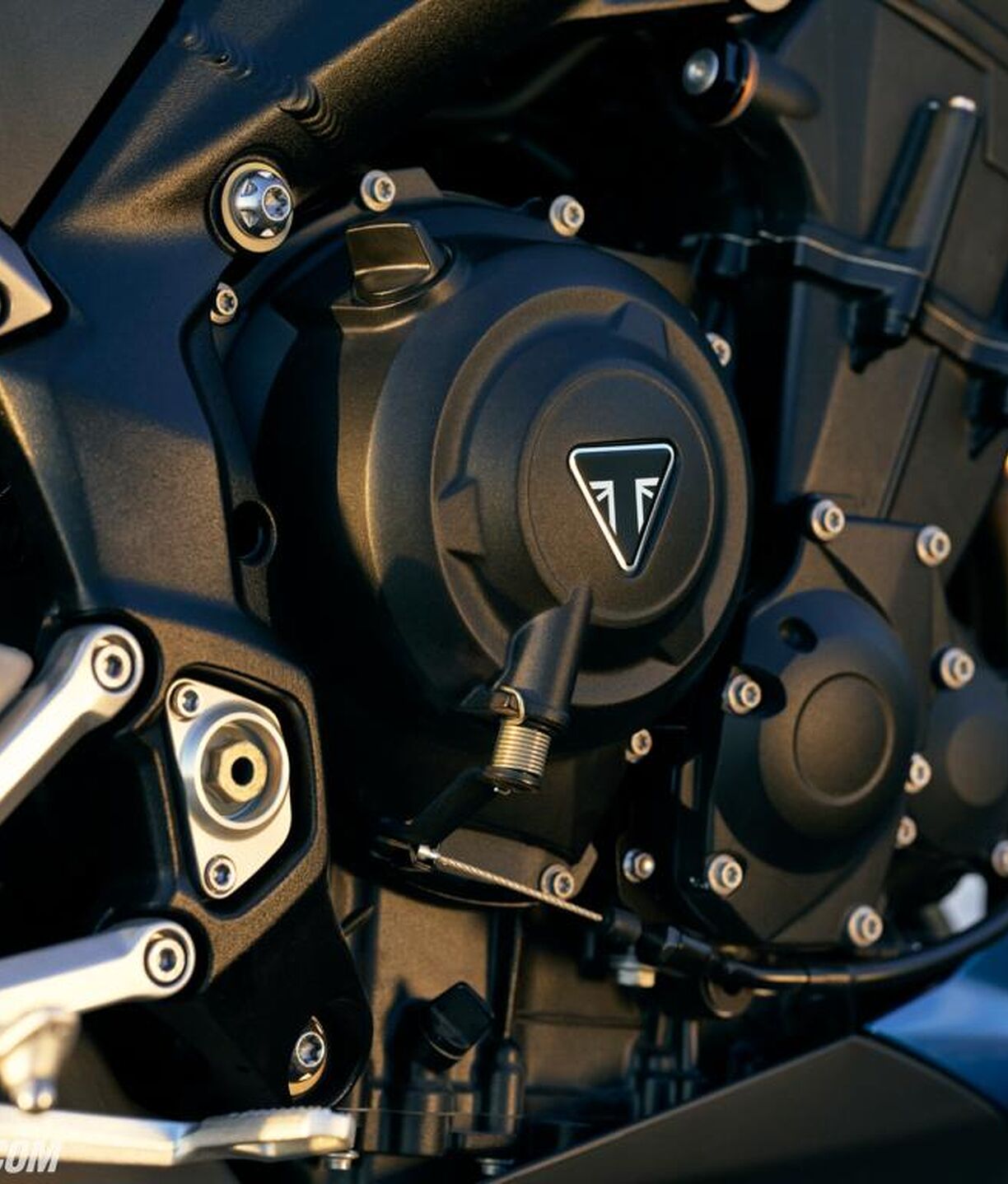
The engine revisions run considerably deeper. Larger valves work with lightweight DLC-coated finger followers, while more aggressive cam profiles keep the valves open longer. Triumph has redesigned the intake, combustion chamber, exhaust, intake ports, and injectors. Two frame-mounted air intakes feed a larger airbox, with the revised ports intended to improve flow. A new six-speed gearbox, new crankcases, and revised clutch and primary-drive components were added to handle the stronger engine. Exhaust gases pass through a stainless-steel three-into-one system ending in an under-engine silencer, keeping the layout compact and the mass low.
A new chassis for the 190 rear tire
The frame, subframe, and swingarm are all new aluminum structures. Triumph gives the 798 RS a wet weight of 183kg, while the technical comparison puts the previous motorcycle at 414.5 pounds. The double-sided swingarm is designed to add stiffness and provide more scope for wheelbase adjustment around the 190/55 rear tire. That matters because the new chassis is being developed with competition use in mind. Geometry consists of 23.1 degrees of rake, 92.5mm of trail, and a 1,409mm wheelbase. Increased ground clearance is intended to support greater lean angles on track.
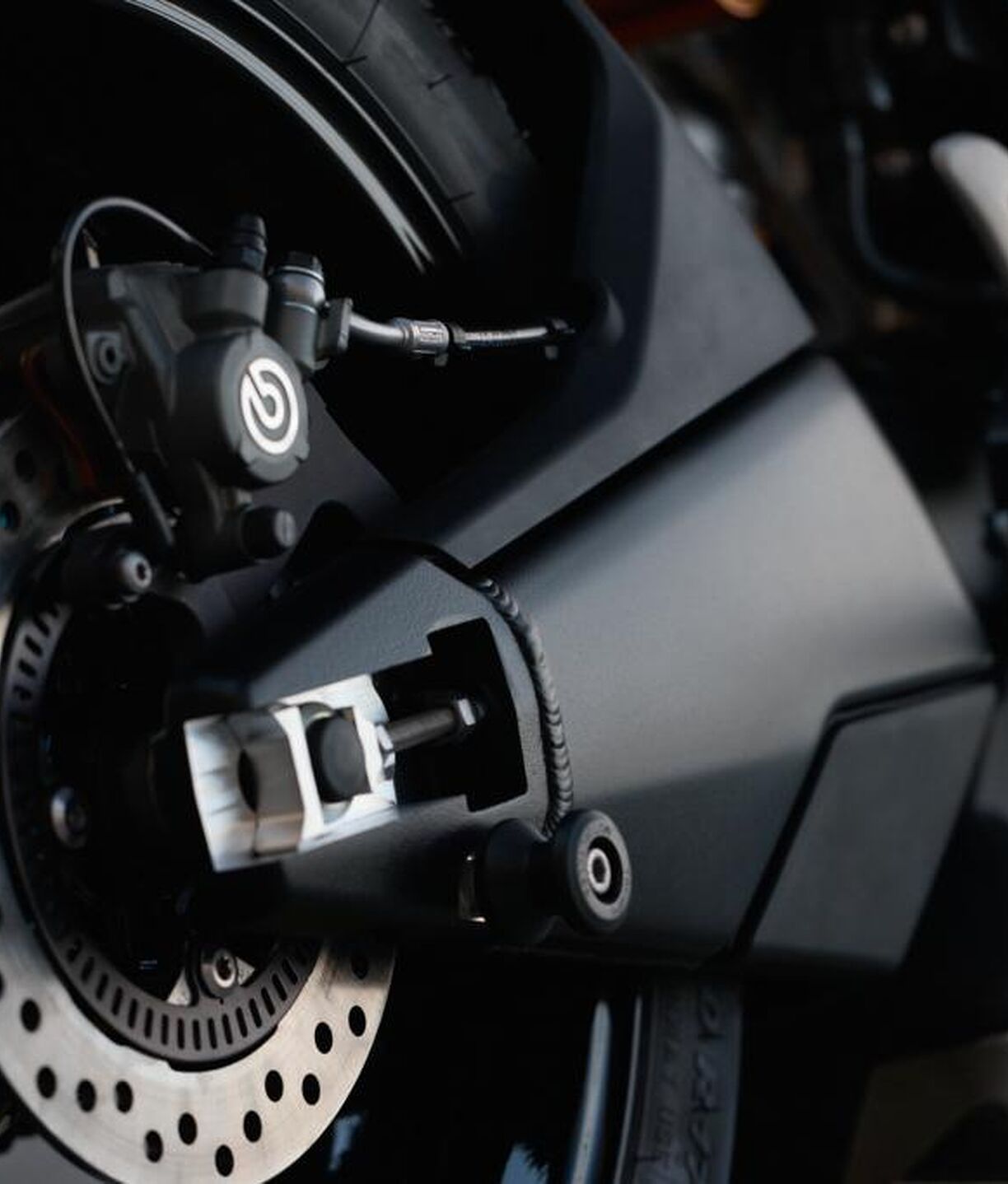
Suspension is built around fully adjustable 41mm Showa Big Piston Forks with 120mm of travel and a fully adjustable Öhlins STX46 piggyback rear unit offering 130mm of wheel travel. Both ends provide adjustment for preload, compression, and rebound damping. Braking uses twin 310mm floating front discs with four-piston radial Brembo calipers and an adjustable Brembo MCS radial master cylinder with span and ratio adjustment. A single 220mm disc is fitted at the rear. The five-spoke, cast-aluminum 17-inch wheels carry Pirelli Diablo Supercorsa SP-V3 tires in 120/70 ZR17 front and 190/55 ZR17 rear sizes.
The racing link is central to the motorcycle’s identity. Triumph will supply the 798cc engine platform to every Moto2 World Championship team in 2027. The Street Triple 798 RS will also act as Triumph’s homologation platform for the 2027 Supersport World Championship, with national championships expected to follow. This gives the chassis and engine changes a purpose beyond headline numbers: the road bike is being shaped around the geometry and tire demands of a more competition-focused environment.
Seven modes and a connected cockpit
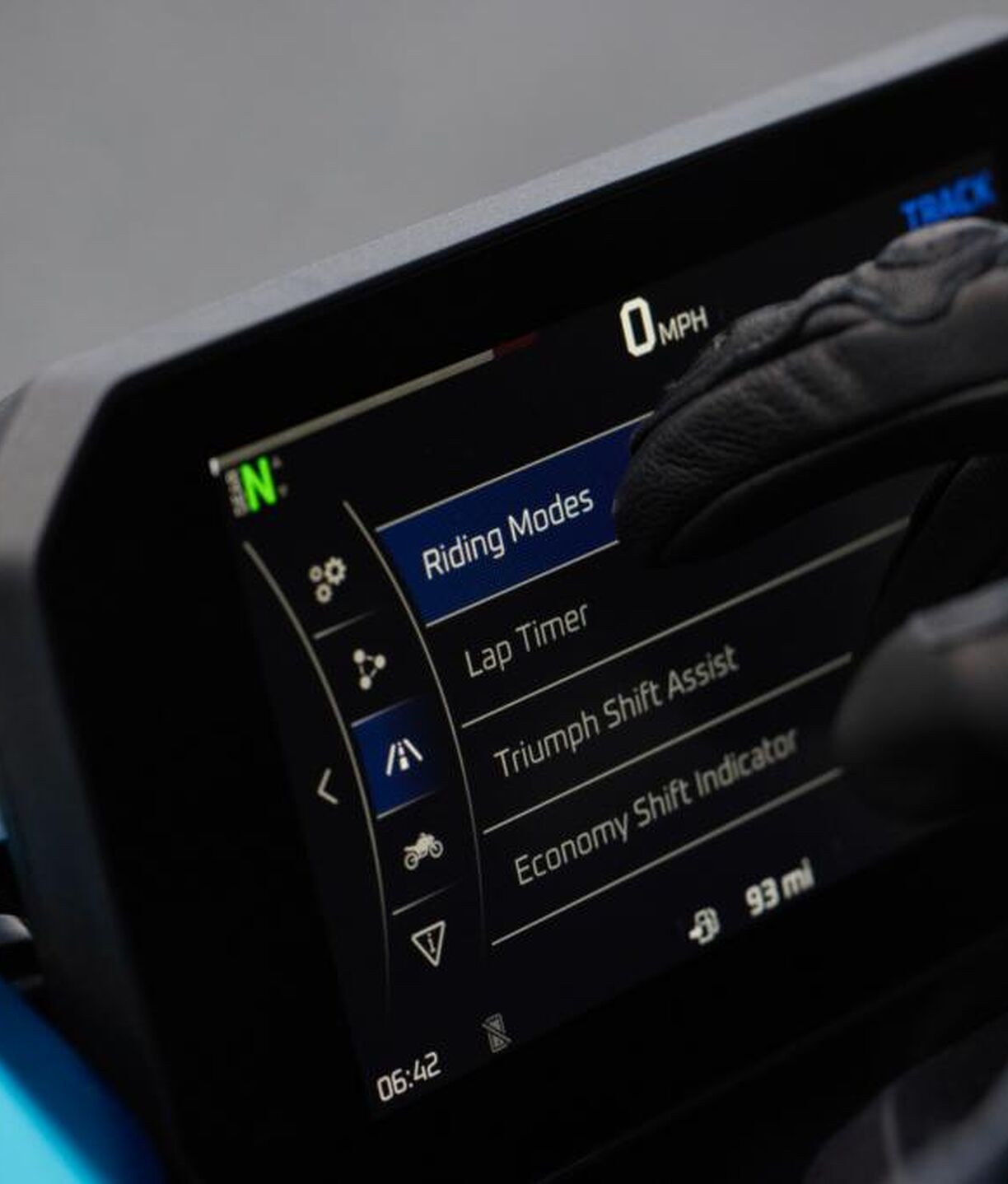
The electronics package is centered on a new seven-inch Bosch TFT touchscreen. It offers wireless Apple CarPlay and Android Auto, a lap timer, and operation with or without gloves. At low speed, the rider can use the screen; switch cubes and voice commands are also available when a compatible Bluetooth headset is connected. The seven riding modes are Eco, Rain, Road, Sport, Track, Rider A, and Rider B. The two Rider modes can be configured independently for personal settings and changing conditions.
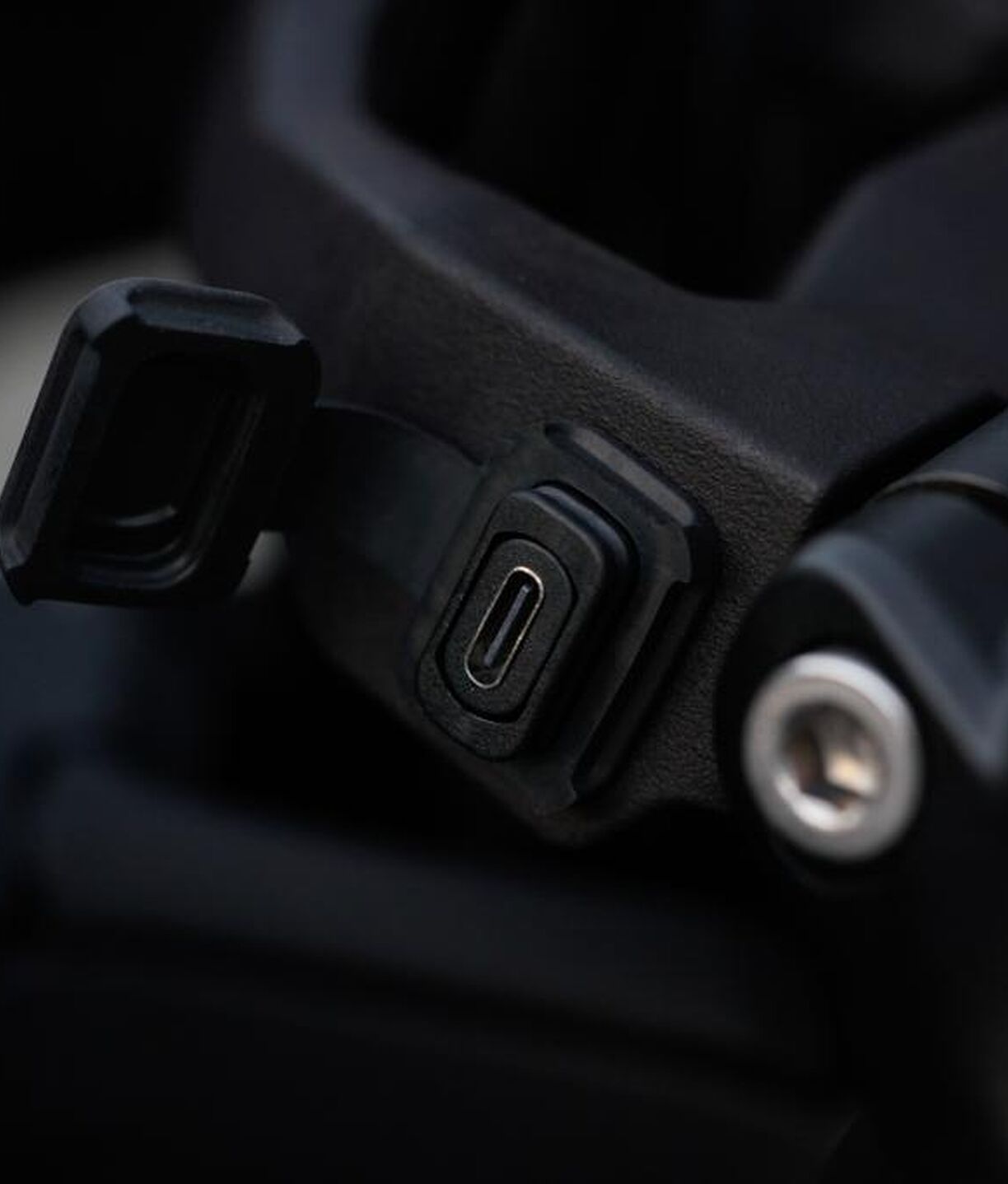
The rider aids include launch control, front-wheel-lift control, engine-braking control, Optimised Cornering ABS, Optimised Cornering Traction Control, and Traction Control+ with rear-wheel slide control. Triumph Shift Assist enables clutchless upshifts and downshifts through the six-speed gearbox, with an integrated auto-blipper. The system also supports gear changes while cruise control is active. Other standard technology includes a USB-C charging port, an LED projector headlight, and adaptive cornering lights that add illumination at 15 and 30 degrees of lean. Emergency Deceleration Warning operates through the rear indicators, while tire-pressure monitoring is optional.
The riding position has been revised as well. Rubber-mounted handlebars are 20mm wider, while the standard seat height is 836mm. An accessory low seat and lowering linkage can reduce the height to 791mm. Passenger footpegs and the license-plate holder can be removed for track days. Triumph’s performance accessories include Gilles components, carbon-fiber parts, and a titanium Akrapovič silencer with carbon-fiber end caps, allowing owners to emphasize either road usability or the bike’s track-oriented character.
The Street Triple 798 RS is available to order in the United Kingdom from £12,995, with motorcycles scheduled to reach dealerships from February 2027. That is a UK price and does not establish pricing for Greece. Triumph lists Interstellar Blue, Carnival Red, and Sapphire Black as the available colors. Warranty coverage lasts two years with unlimited miles, and service is due every 6,000 miles or 12 months. The model will be sold only as an RS, with no R or S versions. With the Trident 800 taking the more accessible position in Triumph’s road range, the Street Triple is free to concentrate on sharper handling, stronger performance, and its new 798cc racing connection.
THE STORY IN PHOTOS
7 photos
THE EVIDENCE BEHIND THE STORY
Sources
Spotted something that needs correcting? Contact the editorial team