
MotoGP’s Value-Building Strategy Could Lead to a Future Sale
Liberty Media is focused on expanding MotoGP’s commercial reach, while Greg Maffei’s forecast for Formula 1 highlights a possible long-term exit scenario.

3 min read
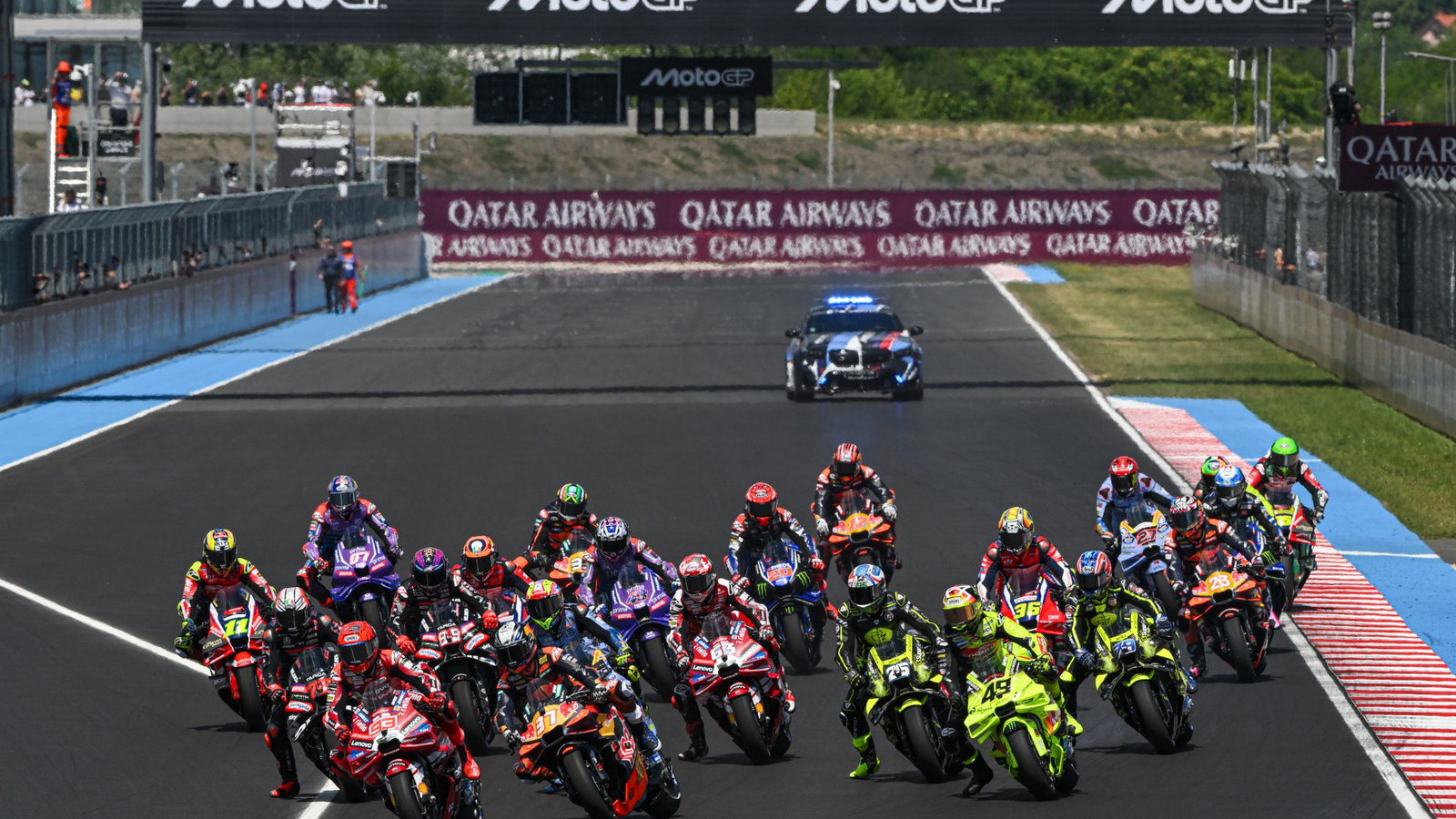
Liberty Media is treating MotoGP as a championship with room to grow, not as an asset already being prepared for sale. However, a forecast about Formula 1 from former Liberty president and CEO Greg Maffei raises a wider question: could MotoGP eventually become a much more valuable business and attract a buyer after Liberty has expanded its commercial potential?
Maffei stepped down from Liberty Media in 2024. At the Invest New York conference, he was asked whether Formula 1 would still be publicly traded in 2028 and suggested that the championship would probably have a new owner by then. His prediction concerns Formula 1, not MotoGP, and is not confirmation of any impending transaction. It is nevertheless relevant to the way Liberty’s motorsport assets might be viewed over time.
Maffei’s case rests on money. Liberty bought Formula 1 from CVC Capital Partners in 2017 and subsequently increased the championship’s commercial value through expansion into new markets, higher sponsorship revenue and the success of the Drive to Survive television series. He said that “the easy money’s been made”, pointing to Formula 1 EBITDA having tripled over the preceding eight or nine years. In his view, the championship is unlikely to reproduce that same rate of growth during the next decade.
Why MotoGP fits the same value-creation logic
Liberty completed its purchase of an 84 per cent stake in Dorna in July 2025. The deal put the business at approximately €4.3 billion in enterprise value terms. Dorna holds MotoGP’s commercial rights, giving Liberty control of a major motorcycle-racing property with an established international audience, existing commercial partnerships and a calendar spread across several continents.
That foundation also creates scope to grow. MotoGP has not yet achieved Formula 1’s mainstream profile in every market, so Liberty can pursue audience growth, additional sponsors, larger hospitality operations and a stronger footprint across markets including the United States. The commercial opportunity does not necessarily depend on changing the racing itself; a larger audience and broader business platform could increase the value of the championship around it.
Growth and a future sale are not mutually exclusive. If Liberty lifts MotoGP’s commercial value substantially over the next five or ten years, the championship could be worth considerably more than the approximately €4.3 billion enterprise value assigned to the original Dorna transaction. At that point, a sovereign wealth fund, private-equity group or major sports and entertainment company could regard an acquisition as attractive. That remains a possible business scenario, not an announced plan.
Liberty’s current message is investment
Liberty’s public positioning points towards development rather than an immediate exit. The company’s 2026 shareholder letter called MotoGP a world-class sports property with significant long-term potential. Liberty said the championship was acquired to realise that potential through investment, expanded commercial capabilities and a longer-term approach to brand development, while acknowledging that those investments would not produce immediate returns.
MotoGP remains behind Formula 1 in global reach and revenue, giving Liberty ample opportunity to broaden its audience, win commercial partners and lift the championship’s value. Liberty’s motorsport portfolio covers the MotoGP World Championship’s commercial rights, along with other motorcycle-racing properties such as WorldSBK. At present, the stated strategy is to develop the business and strengthen its commercial appeal. Whether that eventually leads to a sale will depend on how much value Liberty can create first.
THE STORY IN PHOTOS
4 photos
THE EVIDENCE BEHIND THE STORY
Sources
Spotted something that needs correcting? Contact the editorial team