
Triumph AirFlow: how perforated leather is ventilated
Triumph explains its targeted perforation strategy and uses the Braddan Air Race as an example for warmer riding conditions.

2 min read
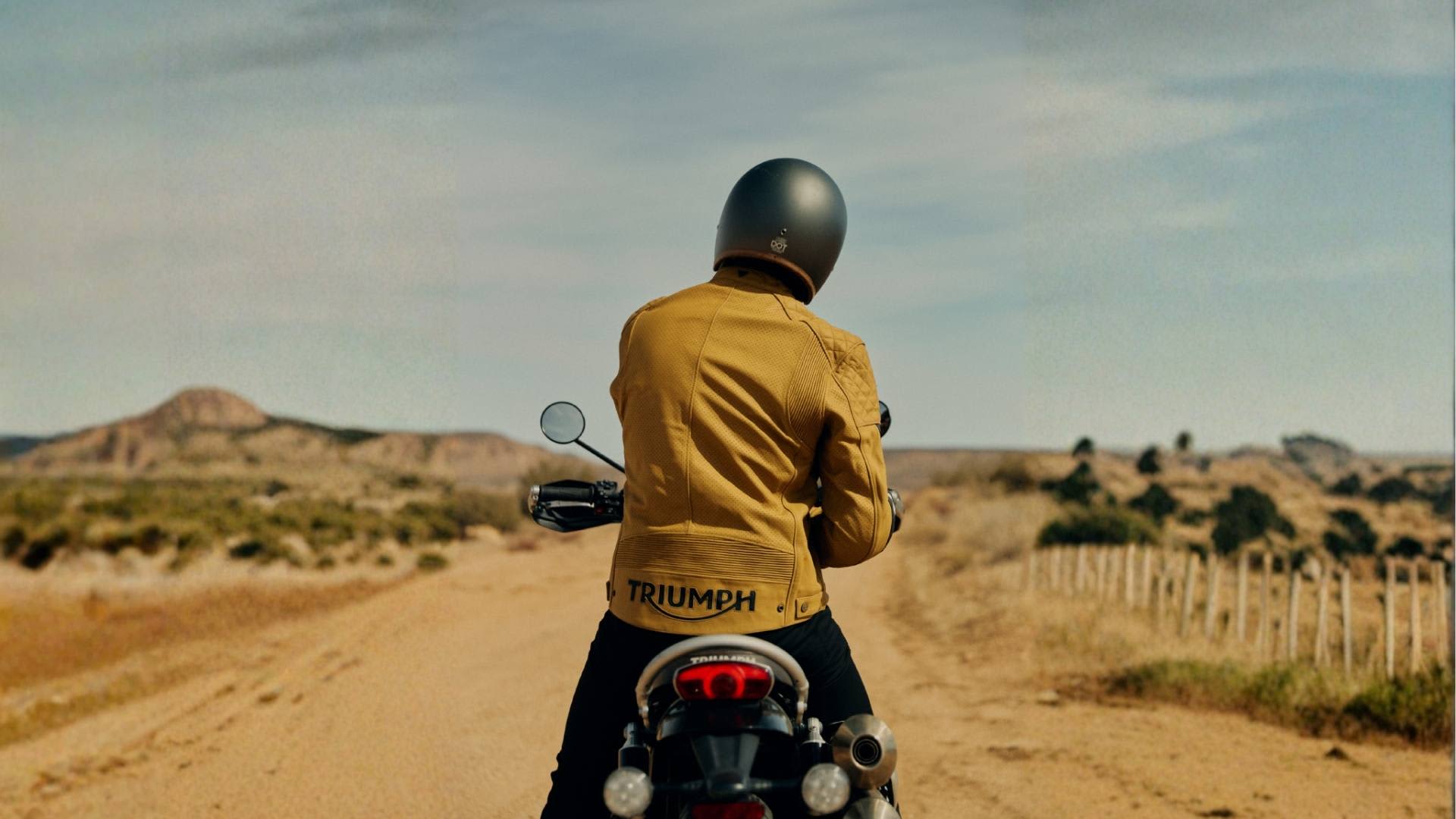
Perforated leather is one way to make motorcycle gear more comfortable on warmer days, when a fully closed jacket can trap heat against the rider. Triumph describes its AirFlow approach as small, precisely placed holes in leather areas exposed to direct airflow. The purpose is to release heat from the jacket and increase ventilation, helping reduce the sweat and discomfort that can build up during a warm ride.
Based on the research and rider testing cited by the company, the chest, torso, upper back, arms, underarms, lower back and waistline are areas particularly prone to trapping warmth. The concept is not to perforate the entire jacket uniformly. Instead, ventilation is designed around the rider’s posture, with perforation where cooling is needed and solid leather retained elsewhere.
Triumph also says that the perforation does not affect the jacket’s CE Rating. That is the manufacturer’s statement; the official technical information for the specific garment remains the appropriate reference when assessing its protection as a whole.
The Braddan Air Race example
The Braddan Air Race is the example Triumph uses to illustrate the approach. It features AirFlow perforated leather and four precision-cut metal eyelets in the underarm area. Each small metal ring vent has its own micro-holes, intended to help channel out additional heat and keep air moving. Stretch panels follow the rider’s posture and help the perforated sections stay open.
The version described here comes in Gold with a vintage-look finish, and a women’s fit is also offered. The supplied description gives no price, garment weight, protector specifications or availability information for Greece. The same riderwear section also lists the Hopper Khaki, Hopper Black, Brando Vintage Wash and Brando Raw riding jeans, but provides no further technical details for them.
THE EVIDENCE BEHIND THE STORY
Sources
Spotted something that needs correcting? Contact the editorial team ↗